





Truck ownership cost is not a single number. It is five categories working together across the life of the vehicle. Buyers who focus only on the monthly payment often discover the other four categories after they sign. The Silverado 2500 HD is a durable, capable platform. Understanding the full cost structure before you purchase makes the decision easier to stand behind for years.

The Five Cost Categories That Define Truck Ownership
Every truck ownership budget breaks into five distinct categories. Depreciation is the first and largest. Financing interest is the second. Fuel is the third. Insurance is the fourth. Maintenance and repairs make up the fifth.
These five categories together define what a truck actually costs over time. Each one carries a different weight depending on how the truck is used and how long the owner keeps it. Buyers who evaluate only the financing payment measure one of five categories. The other four can collectively exceed the financing cost over a five-year period.
Consider how these categories interact for a Silverado 2500 HD owner:
Read the rest of this entry »Dealership pricing transparency is not a favor a dealer extends to you. It is a process you can understand before you arrive, and understanding it removes most of the anxiety that makes truck buying feel stressful. The price you see on a window sticker, an advertisement, or a website is not the number you will pay at the signing table. Knowing what sits between those two figures, and why each line item exists, puts you in a much stronger position throughout the entire purchase.

How Truck Pricing Is Actually Structured
The sticker price on a new truck reflects the manufacturer’s suggested retail price. It covers the base vehicle, the selected trim level, and any factory-installed options. It does not include taxes, government fees, or dealer charges. The number you actually pay is called the out-the-door price, and it is the only figure that reflects your true total cost.
Read the rest of this entry »The question of who needs a heavy duty truck is a load-and-use decision, not a preference decision. The Silverado 2500 HD is not the right truck for every driver. However, for drivers whose work, hauling schedules, or trailer weights push past the half-ton ceiling, it is the truck that handles those demands by design. Knowing where that line sits, and whether your actual use crosses it, is the most useful place to start.
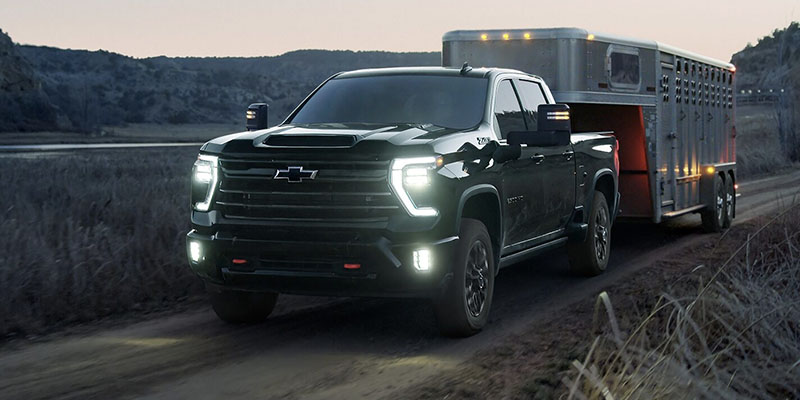
The Load Threshold That Defines the Need
The Silverado 1500 is a capable truck. It tows up to approximately 13,300 pounds, carries a payload of up to 2,200 pounds, and handles the demands of most recreational and light work scenarios without issue. The 2500 HD becomes the right choice when loads consistently push against or above those numbers.
A useful way to frame this: the 1500 is engineered to operate within its rated ceiling across its service life. A truck that regularly runs at 90 to 100 percent of its towing or payload rating is not operating with meaningful headroom. Transmissions, cooling systems, and braking hardware all carry thermal and mechanical stress ratings. Sustained near-limit operation accelerates wear on those systems faster than the same truck used at 60 to 70 percent of its capacity.
Read the rest of this entry »Silverado 1500 vs 2500: What Changes in Real Use
The silverado 1500 vs 2500 comparison is not a question of quality. Both trucks carry Chevrolet’s standard for reliability and engineering precision. The real question is whether the job you are asking the truck to do fits within the 1500’s engineering ceiling, or whether your demands push past it. Understanding where that line sits, and why it exists, gives you the clarity to make an informed decision before you step onto a lot.
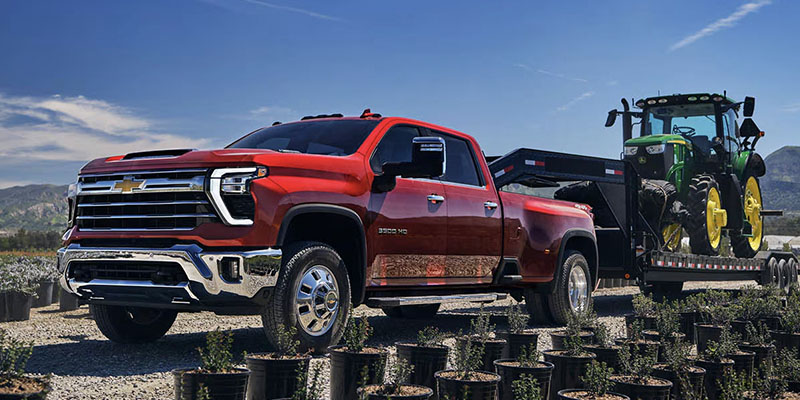
What the Class Difference Actually Means
Half-ton and three-quarter-ton are legacy terms. They no longer describe literal weight. Instead, they describe engineering classification, and that classification defines the entire mechanical foundation of each truck.
The Silverado 1500 is a half-ton truck. Its frame, suspension, axles, and drivetrain are built for a specific load and towing ceiling. The Silverado 2500 HD is a three-quarter-ton truck. Every structural component underneath it handles greater stress across more demanding load cycles.
Read the rest of this entry »Chevy SUV maintenance schedules cover far more than oil changes because modern Chevrolet models monitor heat, driving patterns, fluid condition, and mechanical wear throughout ownership. Drivers researching chevy maintenance schedule information are usually trying to understand two things at the same time: what service visits are truly necessary and what ownership will realistically look like during the first several years. Chevrolet SUVs like the Equinox, Traverse, Tahoe, Blazer, and Trax use electronic monitoring, fluid analysis logic, and mileage tracking to calculate maintenance timing, but those reminders only represent part of the ownership picture. Physical inspections still matter because wear develops gradually through temperature cycling, road impact, braking load, and drivetrain stress long before a dashboard warning appears.
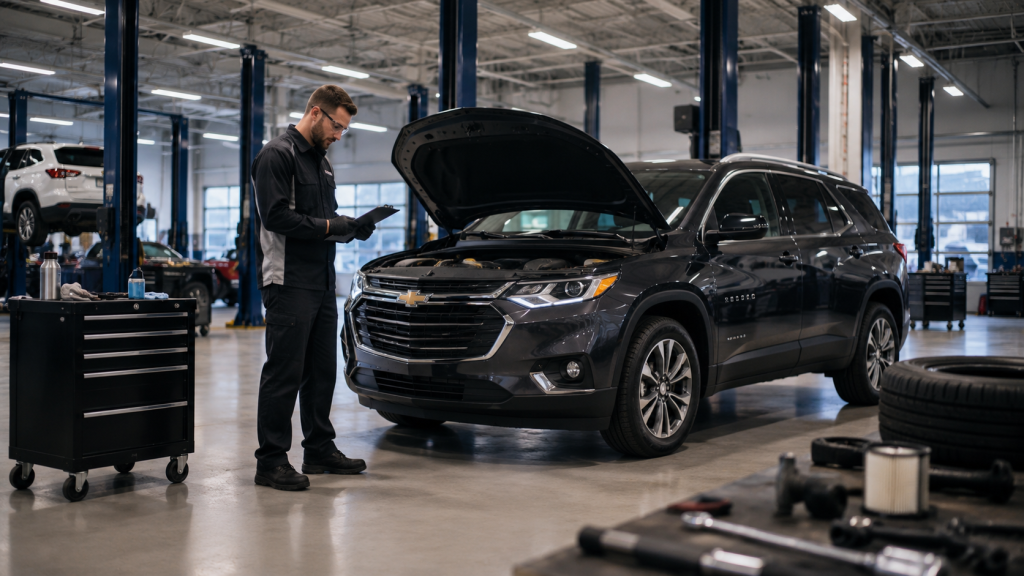
Chevrolet Oil Monitoring Tracks More Than Mileage
Why do Chevrolet SUVs still need inspections before warning lights appear? Oil monitoring software estimates engine oil degradation using calculations tied to engine temperature, idle duration, cold starts, RPM variation, and trip length. The monitor is not testing the oil directly. Instead, it predicts breakdown using driving data collected throughout ownership.
That distinction matters because two identical Chevrolet Equinox models can reach oil service timing at completely different mileage intervals. A driver making short trips through traffic with repeated cold starts creates more engine contamination and moisture buildup than someone driving consistent highway mileage.
During the first year of ownership, most Chevrolet SUVs primarily cycle through:
Read the rest of this entry »What a Stress Free Chevy Dealership Visit Looks Like
Stress free car buying starts with clear communication, realistic pacing, transparent financing discussions, and a dealership process that helps buyers understand each step before decisions are finalized. Many buyers enter dealerships carrying uncertainty about paperwork, pricing, timelines, trade in values, and financing approval. That uncertainty creates tension before the vehicle selection process even begins. A smoother Chevrolet dealership visit should reduce confusion instead of increasing it. Buyers researching first time car buyer tips or car buying process steps are usually looking for predictability and clarity more than sales pressure. Understanding what healthy dealership communication looks like helps shoppers recognize whether the process is moving at a comfortable and transparent pace.

A Calm Dealership Process Starts With Clear Communication
What should buyers expect during a dealership visit? A strong dealership process begins with conversation before paperwork. Buyers should have room to discuss driving habits, budget structure, passenger needs, trade in goals, and feature priorities before numbers enter the discussion.
A rushed process usually creates confusion later because vehicle selection, financing, and ownership expectations become disconnected. Slower pacing early in the visit usually creates stronger purchase clarity later.
At a Chevrolet dealership, the process normally begins with:
Read the rest of this entry »Is a Chevy Trax Enough for a Small Family?
Is a Chevy Trax enough for a small family? For many households, the answer depends less on passenger count and more on commuting habits, cargo routines, child seat layouts, and how daily driving unfolds throughout the week. The Chevrolet Trax occupies an interesting position within the compact SUV segment because it balances city friendly sizing with a cabin layout that feels larger than many buyers expect. Families comparing SUVs sometimes assume they need the largest option available immediately, yet daily routines involving school pickups, grocery runs, commuting, and weekend travel may not require a midsize crossover. Understanding how the Trax handles passenger spacing, cargo organization, parking, and travel routines creates a clearer picture of where this Chevrolet SUV fits family life comfortably and where larger vehicles begin making more sense.
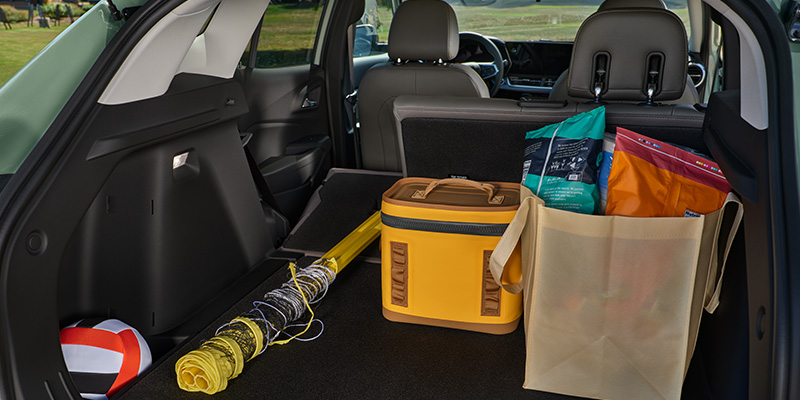
The Trax Uses Space More Efficiently Than Buyers Expect
Why does the Chevy Trax feel larger than it looks? The answer comes down to cabin packaging, ride height, roofline design, and how Chevrolet structured interior dimensions around passenger visibility and usable space.
Compact SUVs can feel cramped when exterior styling prioritizes appearance over interior organization. The Trax approaches packaging differently by using a taller seating position, upright roof structure, and balanced cabin proportions that create more usable passenger room inside the footprint.
That changes how the SUV feels during:
Read the rest of this entry »Chevy Equinox vs Trax for Everyday Driving
Equinox vs Trax comparison research usually starts with size and pricing questions, but daily commuting, passenger comfort, cargo flexibility, and parking routines shape ownership far more than specifications alone. The Chevrolet Trax and Chevrolet Equinox both occupy the compact SUV category, yet they approach daily driving from very different directions. One focuses heavily on urban maneuverability and simplified commuting, while the other prioritizes additional passenger spacing, cargo flexibility, and calmer highway travel. Buyers narrowing their shortlist between these Chevy SUVs should evaluate how each model fits routines involving errands, family transportation, commuting mileage, and long distance travel.

The Trax and Equinox Follow Different Size Philosophies
What is the difference between the Chevy Equinox and Trax? The largest differences involve cabin dimensions, wheelbase length, rear passenger spacing, and how each SUV behaves during different types of driving.
The Chevy Trax prioritizes compact dimensions that feel easier to manage in crowded parking lots, tighter city streets, apartment garages, and stop and go traffic. The smaller footprint reduces the amount of physical space drivers need while maneuvering through urban areas or busy shopping centers.
The Chevy Equinox moves slightly larger in nearly every major category. The cabin structure stretches farther, rear seating gains more usable room, and the cargo area supports larger travel loads more comfortably.
Those structural changes alter:
Read the rest of this entry »Owning a Chevy truck means managing more than just mileage. Most drivers want a clear answer to how often they should service their truck, but the real answer depends on how the truck’s systems wear over time. Maintenance is not a checklist you follow blindly. It is a system designed to protect critical components like the engine, transmission, and braking system as they experience heat, friction, and load. Understanding how these systems work is what allows you to keep your truck reliable for the long term.

Understanding Chevy Truck Maintenance as a System
When drivers ask how often they should service a Chevy truck, they are asking how frequently each major system needs protection from wear. Maintenance intervals are based on how quickly components degrade under normal operating conditions.
In a Chevy truck like the Silverado or Colorado, every system relies on controlled lubrication, cooling, and friction management. Engine oil reduces internal friction, transmission fluid manages gear operation and heat, and brake components convert motion into stopping force. Over time, these systems break down as fluids lose effectiveness and components wear.
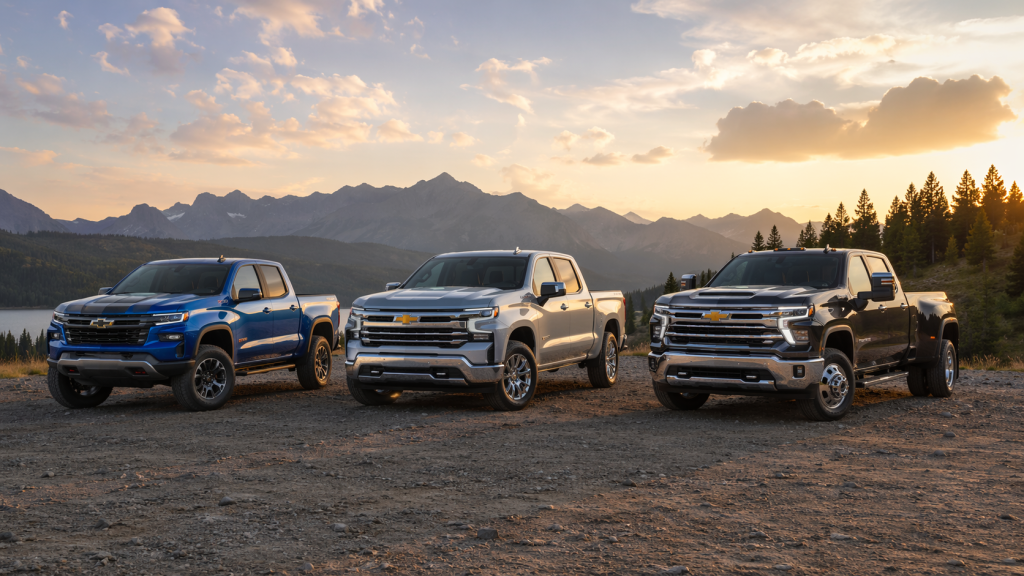
Read the rest of this entry »Choosing between the Chevy Colorado, Silverado 1500, and Silverado 2500 is not about picking the biggest number on a spec sheet. Most shoppers are trying to figure out which truck actually fits their daily routine, towing needs, and long-term use. If you are comparing these trucks, you are really asking how their capability systems translate into real-world performance and whether you are choosing the right level of truck for how you drive.
Understanding the Chevy Truck Lineup by Capability Class
When shoppers ask which Chevy truck is best for their needs, they are asking how different truck classes are built to handle different types of work. Each Chevy truck is engineered around a specific capability range that includes frame strength, suspension design, braking systems, and drivetrain configuration.
The Chevy Colorado is a midsize truck designed for efficiency, maneuverability, and moderate towing. The Silverado 1500 is a full-size light-duty truck that balances everyday usability with higher towing and payload capacity. The Silverado 2500 is a heavy-duty truck engineered for sustained high-load towing and hauling.
The key difference is not just size. It is how each truck is built to manage weight, stress, and control over time. Moving up in class means:
Read the rest of this entry »

