





Is a Chevy Trax enough for a small family? For many households, the answer depends less on passenger count and more on commuting habits, cargo routines, child seat layouts, and how daily driving unfolds throughout the week. The Chevrolet Trax occupies an interesting position within the compact SUV segment because it balances city friendly sizing with a cabin layout that feels larger than many buyers expect. Families comparing SUVs sometimes assume they need the largest option available immediately, yet daily routines involving school pickups, grocery runs, commuting, and weekend travel may not require a midsize crossover. Understanding how the Trax handles passenger spacing, cargo organization, parking, and travel routines creates a clearer picture of where this Chevrolet SUV fits family life comfortably and where larger vehicles begin making more sense.
The Trax Uses Space More Efficiently Than Buyers Expect
Why does the Chevy Trax feel larger than it looks? The answer comes down to cabin packaging, ride height, roofline design, and how Chevrolet structured interior dimensions around passenger visibility and usable space.
Compact SUVs can feel cramped when exterior styling prioritizes appearance over interior organization. The Trax approaches packaging differently by using a taller seating position, upright roof structure, and balanced cabin proportions that create more usable passenger room inside the footprint.
That changes how the SUV feels during:
• School pickup lines
• Grocery loading
• Daily commuting
• Child transportation
• Urban parking situations
The elevated seating position also changes visibility substantially compared with smaller sedans or hatchbacks. Drivers gain a clearer outward view during traffic movement, parking maneuvers, and crowded intersections.
The smaller footprint becomes useful for families navigating tighter parking garages, narrow parking spaces, apartment complexes, or crowded shopping areas. Larger SUVs create additional passenger room, but they also increase turning space requirements and parking difficulty during daily errands.
The Chevrolet Trax works well for households wanting SUV practicality without moving into a vehicle that feels oversized for commuting and city driving.
Rear Seat Layout Matters More Than Overall Size
Can child seats fit comfortably inside the Trax? Rear seat comfort depends heavily on child seat type, passenger height, and how frequently adults occupy the second row.
The Trax supports child transportation effectively for many smaller households because the rear seating area uses space efficiently. Child seat installation remains manageable while maintaining usable front seat spacing for average sized adults.
Rear passenger functionality becomes more noticeable during:
• Rear facing child seat installation
• Multiple passenger travel
• School transportation
• Daycare drop offs
• Weekend family trips
Smaller SUVs sometimes struggle once child seats consume rear cabin space, but the Trax balances compact exterior dimensions with enough rear seating depth for many early family stages.
The ride height also changes loading convenience. Parents lifting children into child seats benefit from seating positioned higher off the ground than traditional sedans. That reduces bending and awkward loading angles during repeated daily use.
Families with one or two younger children may find the cabin fits comfortably for several years. Larger families carrying older teenagers, multiple child seats simultaneously, or heavier sports equipment may begin reaching the upper limit of the compact crossover layout sooner.
Passenger growth matters because family transportation needs rarely stay static. Buyers should think beyond current routines and evaluate what the next several years may look like regarding travel frequency, extracurricular activities, and rear passenger usage.
Cargo Space Feels Different During Daily Family Routines
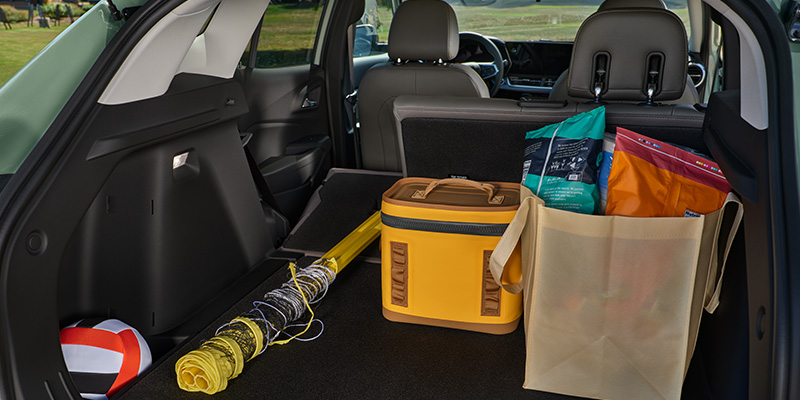
Does the Trax have enough cargo room? Cargo usability depends less on published measurements and more on how the space functions once passengers enter the SUV.
The Chevrolet Trax handles many ordinary family hauling routines comfortably. Grocery bags, diaper bags, backpacks, smaller strollers, and everyday errands fit within the rear cargo area without difficulty for many households.
Cargo flexibility becomes more important during:
• Bulk shopping trips
• Weekend travel
• Sports transportation
• Airport pickups
• Stroller and bag storage
The rear cargo floor layout influences how easily families organize loose items throughout the week. Compact SUVs with awkward cargo shapes lose usable space quickly, while flatter load floors create more manageable organization.
The Trax works well for families carrying moderate cargo loads consistently. Buyers transporting larger sports gear, multiple strollers, oversized pet carriers, or frequent vacation luggage may eventually prefer additional storage depth from larger Chevrolet SUVs.
Cargo planning also changes once rear passengers occupy the second row regularly. Families traveling with both passengers and equipment simultaneously should think carefully about how much rear storage flexibility their routines truly require.
Some buyers overestimate how much cargo room they need daily, while others underestimate how quickly family equipment accumulates over time.
The Trax Fits Urban and Commuting Routines Well
Is the Trax good for errands and commuting? The compact dimensions and lighter footprint make the Chevrolet Trax very approachable for drivers spending most of their time in traffic, parking lots, neighborhoods, and city streets.
The shorter wheelbase and tighter exterior sizing support easier maneuverability during:
• Parallel parking
• Garage parking
• School pickup traffic
• Congested commuting
• Apartment living
Families moving from sedans into their first SUV sometimes feel more comfortable adjusting to the Trax because the overall size remains manageable without sacrificing elevated ride height and cargo access.
Highway driving differs slightly from larger crossovers because shorter wheelbase vehicles react differently across rough pavement and expansion joints. The Trax prioritizes urban maneuverability and lighter steering response, while larger SUVs place more emphasis on highway isolation and passenger spacing.
That does not make the Chevrolet Trax unsuitable for highway travel. It simply changes how the SUV approaches ride motion and commuting feel compared with larger crossovers.
Buyers covering mostly urban mileage and moderate commuting distances may appreciate the simplicity of driving and parking a smaller SUV every day.
When Families May Want More Space
When should buyers move into a larger SUV? The answer usually appears once passenger growth, travel frequency, and cargo demands begin overlapping consistently.
The Trax supports many small family routines comfortably, but larger Chevrolet SUVs begin making more sense once households regularly transport:
• Multiple growing children
• Larger sports equipment
• Frequent road trip luggage
• Multiple child seats simultaneously
• Additional adult passengers
The Chevrolet Equinox, Traverse, and other larger SUVs create more flexibility once family transportation becomes more demanding week after week.
At Ross Downing Chevrolet, comparing the Chevrolet Trax alongside larger SUVs helps buyers understand how passenger spacing, cargo organization, commuting feel, and family growth planning differ between vehicle sizes. Choosing the right SUV involves matching real routines to the right amount of space instead of automatically assuming bigger always fits better.


