




Gonzales SUV Shopping Trends: How Drivers Compare Space, Safety, and Technology Across the Chevrolet SUV Lineup
When Gonzales drivers begin shopping for a Chevrolet SUV, the comparison rarely stays focused on one model. Buyers typically evaluate multiple size classes before narrowing their decision. The most common factors driving that decision are interior space, safety integration, and technology capability relative to budget.

Chevrolet’s SUV lineup spans compact efficiency to full-size towing strength. Understanding how models differ structurally and mechanically ensures you choose the right platform rather than simply choosing the largest option available.
Compact SUV Options: Chevrolet Trax and Chevrolet Trailblazer
Compact SUVs are engineered for maneuverability, fuel efficiency, and commuter practicality.
Trax:
- Five-passenger seating
- Turbocharged small-displacement engine
- Designed for urban driving
- Strong combined fuel economy
- Slightly larger footprint than Trax
- Available all-wheel drive
- Multiple turbocharged engine options
- Flexible cargo configuration
Compact SUVs appeal to:
Read the rest of this entry »When Gonzales drivers begin comparing Chevrolet trucks, the conversation usually starts with price but quickly shifts to capability. The real decision is not simply light duty versus heavy duty. It is understanding how towing capacity, payload strength, engine configuration, and trim positioning align with daily workload and long-term ownership cost.
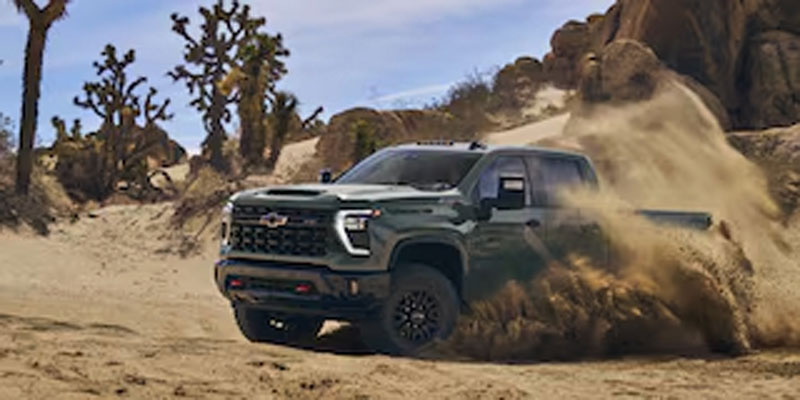
Chevrolet structures its truck lineup with clear engineering distinctions between the Silverado 1500, 2500HD, and 3500HD. Choosing the correct platform ensures you pay for capability you actually use.
Platform Differences: Light Duty vs Heavy Duty
The Silverado 1500 is a light-duty truck designed for balanced towing, everyday comfort, and broad configuration flexibility.
The Silverado 2500HD and 3500HD are built on reinforced frames with heavier suspension components, upgraded axles, and commercial-grade cooling systems.
Structural Differences:
Read the rest of this entry »The 2026 Chevrolet Traverse represents a structural and technological shift within the Chevrolet SUV lineup. It is larger, more powerful, and digitally advanced compared to prior generations. For families evaluating three-row SUVs, the changes are architectural rather than cosmetic.
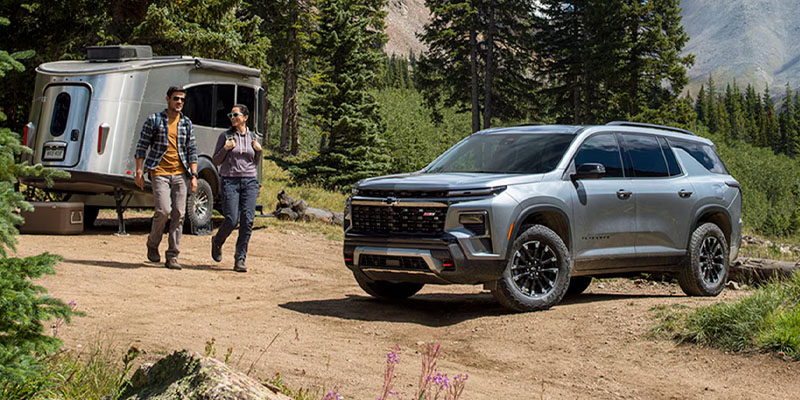
This overview breaks down platform growth, powertrain updates, digital integration, safety systems, and trim positioning so buyers can understand how the new Traverse functions in daily use.
Redesign and Platform Growth
The 2026 Traverse rides on an updated midsize SUV platform with increased overall length and expanded interior packaging. Wheelbase and body proportions have been optimized to improve passenger comfort and cargo usability.
Key structural updates include:
Read the rest of this entry »Choosing between the Chevrolet Trax and Equinox is less about brand and more about segment. Both are two-row SUVs designed for everyday practicality, but they serve different drivers. One prioritizes compact efficiency and value positioning. The other delivers greater interior volume, available all-wheel drive, and expanded capability.
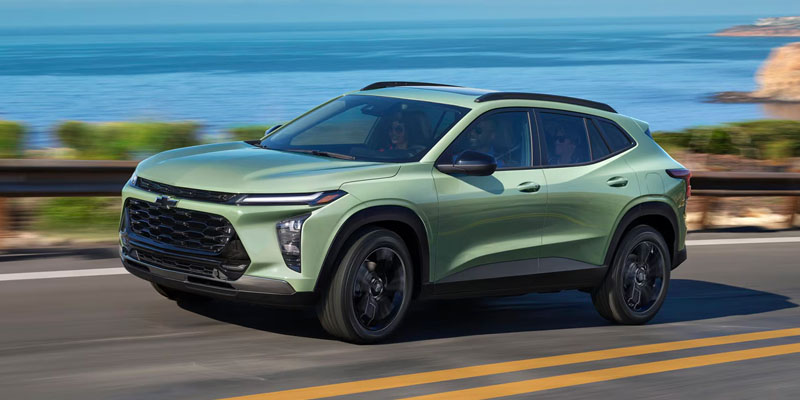
Understanding platform size, powertrain behavior, cargo capacity, and long-term ownership costs clarifies which SUV aligns with your daily routine.
Segment Positioning and Overall Size
The Trax is classified as a subcompact SUV. It rides on a shorter wheelbase with a narrower overall footprint. This directly affects maneuverability and parking ease.
The Equinox sits in the compact SUV segment. It is longer, wider, and engineered for increased passenger room and cargo flexibility.
What this means in practice:
Read the rest of this entry »SUV shoppers in Gonzales tend to evaluate vehicles through a practical lens. Rather than focusing on brand image alone, buyers are comparing how well an SUV fits daily life, how it protects occupants, and how ownership costs align with household budgets. Understanding how space, safety systems, and pricing intersect helps shoppers avoid compromises that surface after purchase.
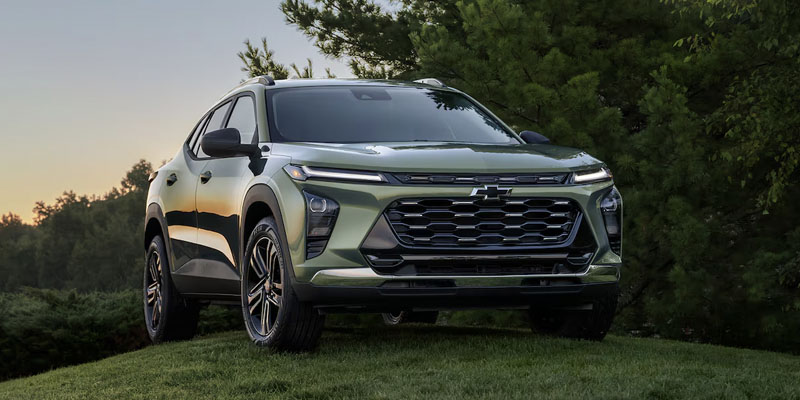
Interior Space and Everyday Usability
Interior space is often misunderstood during the shopping process. Exterior dimensions do not always translate to usable passenger or cargo room, which is why evaluating interior layout is critical.
What shoppers should examine:
Read the rest of this entry »Truck shoppers in Gonzales rarely compare Chevrolet trucks on price alone. While advertised deals and incentives attract attention, informed buyers quickly realize that two trucks with similar pricing can deliver very different value depending on configuration, capability systems, and long-term ownership costs.
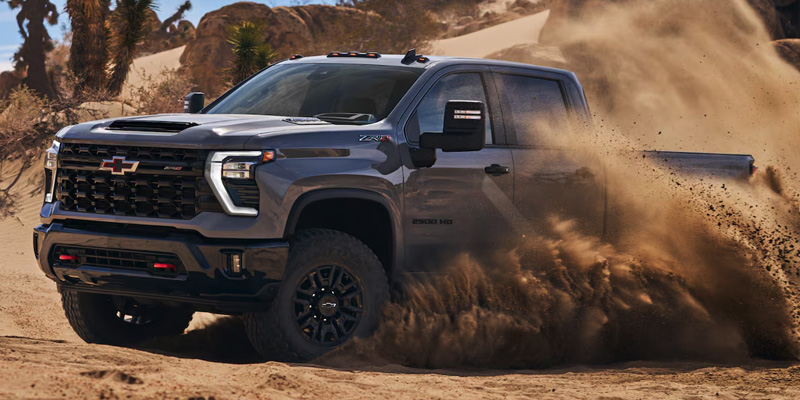
Understanding how prices, features, and availability interact helps shoppers evaluate offers more accurately and avoid comparing trucks that are not truly equivalent.
Why Chevy Truck Prices Vary More Than Expected
Chevrolet truck pricing is influenced by more than base MSRP. Variations often stem from how a truck is built rather than where it is sold.
Primary pricing drivers include:
Read the rest of this entry »Choosing between the Chevrolet Colorado and the Chevrolet Silverado 1500 is less about which truck is better overall and more about which one is built for how you actually drive. While both wear the Chevy bowtie, they are engineered for very different use cases, and understanding those differences is critical to making the right long-term decision.
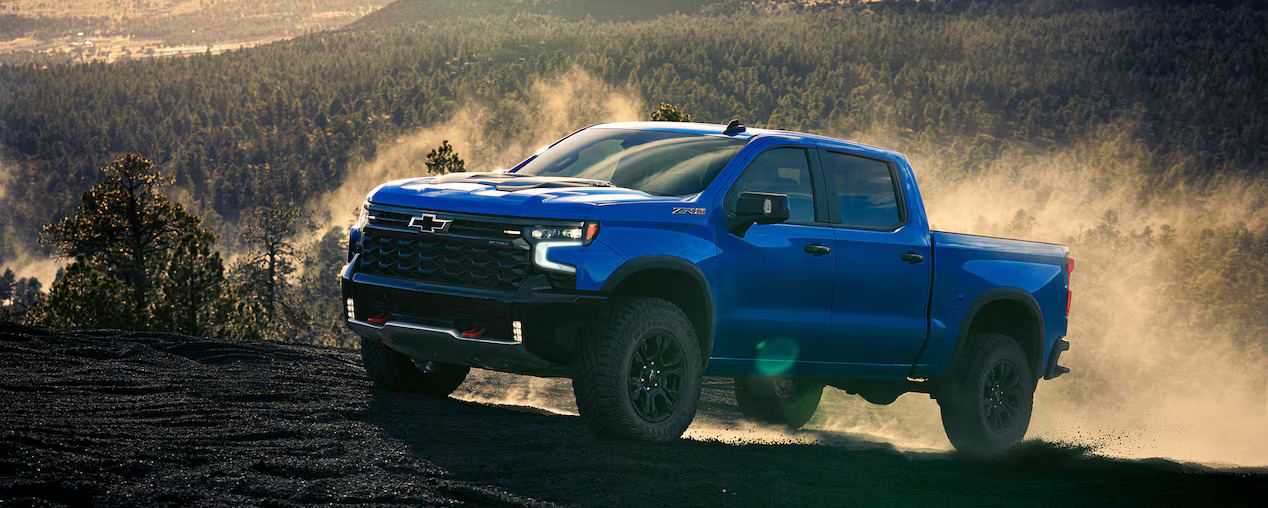
This comparison breaks down how size, powertrains, capability systems, and real-world usability separate a midsize truck from a full size truck.
Platform Size and Daily Usability
The most immediate difference between the Colorado and Silverado 1500 is physical size. That size difference affects far more than appearance.
The Colorado is built on a midsize truck platform designed for:
- Easier maneuverability in urban and suburban environments
- Reduced overall length and width for parking and tight roads
- Lighter curb weight contributing to easier daily driving
- Lower step-in height for frequent entry and exit
The Silverado 1500 sits on a full size truck platform that prioritizes:
- Wider stance and longer wheelbase for stability under load
- Larger bed options for hauling oversized materials
- Increased interior room for front and rear passengers
- Greater compatibility with heavy duty work equipment
Drivers who spend most of their time commuting, parking in lots, or navigating city streets often find the Colorado easier to live with day to day.
Engine and Powertrain Differences
Powertrain availability is one of the clearest separators between these two trucks.
The Colorado focuses on efficiency balanced with usable torque. Its turbocharged engine options are designed to deliver strong low-end torque for towing smaller trailers, boats, and equipment without the size or fuel demands of a full size truck.
The Silverado 1500 offers a broader engine lineup, including:
- Turbocharged four-cylinder options for lighter duty use
- Naturally aspirated V8 engines for traditional truck buyers
- Diesel engine options focused on torque and long-distance efficiency
These options give the Silverado a wider capability ceiling, but they also increase complexity and ownership considerations.
Towing and Payload Explained in Real Terms
Many shoppers focus on maximum towing numbers, but real-world truck use depends on payload, hitch weight, and stability.
Colorado towing considerations:
- Best suited for small to mid-size trailers
- Ideal for boats, campers, utility trailers, and recreational equipment
- Payload capacity supports tools and weekend hauling
- Easier trailer control due to lighter overall mass
Silverado 1500 towing considerations:
- Higher maximum towing ratings across engine options
- Greater payload capacity for heavy materials and equipment
- More stable under sustained towing loads
- Better suited for frequent or commercial-level hauling
If towing is occasional rather than constant, the Colorado often meets real needs without excess capacity that goes unused.
Ride Comfort and Driving Behavior
Ride quality differs significantly due to chassis tuning and suspension design.
The Colorado is tuned for:
- Responsive steering feel
- Reduced body roll in daily driving
- Lighter steering effort at low speeds
- Easier control in traffic and parking scenarios
The Silverado 1500 emphasizes:
- Stability under load
- Smoother ride when carrying weight
- Greater highway composure during long trips
- Reduced rear suspension squat when hauling
Drivers should consider how often the truck will be empty versus loaded when evaluating ride comfort.
Interior Space and Cab Functionality
Interior design reflects each truck’s intended role.
Colorado interiors prioritize:
- Efficient use of cabin space
- Front seat comfort for daily driving
- Modern infotainment systems
- Adequate rear seating for occasional passengers
Silverado interiors provide:
- More rear legroom in crew cab configurations
- Greater shoulder and hip room
- Larger storage compartments
- Enhanced comfort for long-distance or multi-passenger travel
Families or crews riding in the back seat regularly often lean toward the Silverado for space reasons alone.
Ownership Costs and Practical Considerations
Long-term ownership costs are another major decision factor.
Colorado ownership benefits:
- Lower purchase price
- Typically lower fuel consumption
- Easier maintenance access
- Reduced tire and brake replacement costs
Silverado ownership considerations:
- Higher upfront investment
- Increased fuel usage depending on engine choice
- Greater long-term capability value
- Strong resale demand in work-oriented markets
Neither choice is wrong, but buying beyond actual needs often increases ownership cost without added benefit.
How to Decide Which Chevy Truck Fits You
The Colorado is best suited for drivers who:
- Use their truck as a daily driver
- Tow occasionally rather than constantly
- Value maneuverability and efficiency
- Want truck capability without full size bulk
The Silverado 1500 is better aligned with drivers who:
- Tow or haul frequently
- Carry heavy payloads
- Need maximum versatility for work or recreation
- Want broader engine and configuration options
Final Perspective for Truck Shoppers
The Chevrolet Colorado and Silverado 1500 are both excellent trucks, but they are engineered for different priorities. The right choice comes down to how much truck you truly need, how often you will use its maximum capability, and how the vehicle fits into your daily life.
Matching truck size to real-world use leads to better comfort, lower ownership costs, and higher long-term satisfaction.
The 2026 Chevrolet Traverse is engineered around a simple but often overlooked reality of family vehicle ownership: interior space and system usability matter more than headline performance figures. For households managing passengers, car seats, cargo, and long daily drive cycles, the Traverse is designed to prioritize usable room, ride comfort, and technology that reduces friction rather than adding complexity.
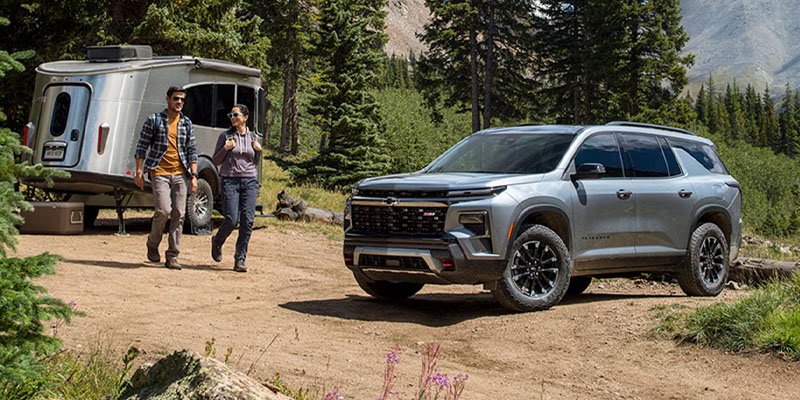
This model continues Chevrolet’s focus on real-world three row SUV functionality, offering one of the most spacious cabins in its segment while pairing it with safety and infotainment systems designed for clarity and reliability in daily use.
Interior Architecture and Passenger Space
The Traverse is built on a platform designed specifically to support three full rows of seating rather than adapting a smaller architecture. This distinction directly affects third row comfort, door access, and overall cabin proportions.
Key interior characteristics that matter in real family use include:
Read the rest of this entry »SUV shoppers in Gonzales are increasingly comparing vehicles across size categories rather than committing to a single model early in the process. Chevrolet’s SUV lineup spans compact, midsize, and full size platforms, each engineered for different ownership priorities. Understanding how space, technology, and cost scale across these models makes choosing the right SUV far easier.
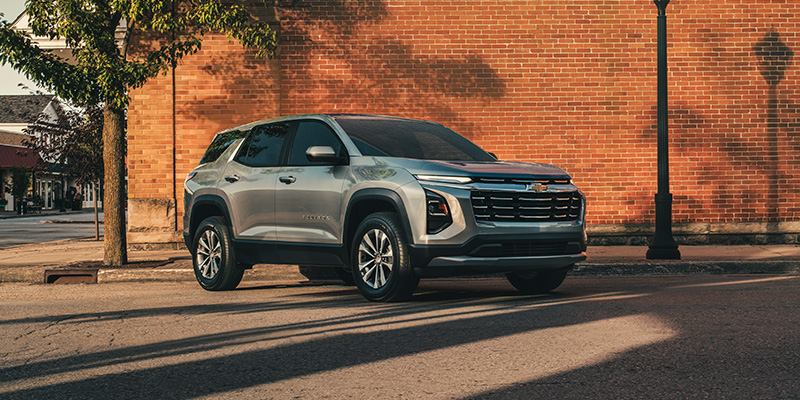
Platform Differences and Why They Matter
Chevy SUVs are built on two primary platform types, and this distinction affects ride quality, interior space, and cost.
Unibody SUVs prioritize:
- Lower vehicle weight
- Better fuel efficiency
- Easier daily driving
- More efficient interior packaging
Body on frame SUVs emphasize:
- Higher towing capacity
- Structural durability under heavy load
- Larger exterior dimensions
- Increased long term hauling capability
Shoppers who are not towing regularly often benefit more from unibody designs, even when space is a priority.
Interior Space Across Chevy SUV Segments
Interior space should be evaluated by usability, not just measurements.
Compact and subcompact SUVs focus on:
- Efficient passenger layout
- Easier parking and maneuverability
- Lower ownership cost
Midsize SUVs deliver:
- True three row seating
- Flexible cargo configurations
- Better balance of size and comfort
Full size SUVs provide:
- Maximum passenger and cargo volume
- Higher seating position
- Greater weight carrying capacity
For many families, midsize SUVs deliver the best balance of space without the operating cost of full size models.
Technology That Impacts Everyday Use
Technology differences between Chevy SUVs are not cosmetic. They directly affect daily convenience and long term satisfaction.
Key systems shoppers evaluate include:
- Infotainment responsiveness and screen size
- Smartphone integration consistency
- Surround vision and parking assistance
- Driver assistance features that reduce fatigue
Chevy SUVs are designed so technology scales by trim level, allowing buyers to prioritize features without stepping into a larger vehicle than necessary.
Safety and Driver Assistance as Value Drivers
Modern SUV shoppers increasingly factor safety technology into value calculations.
Important considerations include:
- Standard versus optional safety systems
- Ease of use rather than system quantity
- Visibility and camera clarity
- Consistency across trims
Chevy SUVs emphasize intuitive safety systems that support daily driving rather than overwhelming the driver.
Budget Focused Ownership Considerations
Budget friendly SUV shopping goes beyond purchase price.
Factors influencing long term cost include:
- Fuel efficiency tied to vehicle weight
- Tire and brake wear based on platform size
- Insurance differences across segments
- Maintenance access and complexity
Smaller SUVs often deliver meaningful savings over time, even if initial pricing differences appear modest.
Avoiding Overbuying Capability
One of the most common SUV shopping mistakes is buying more vehicle than needed.
Questions shoppers should evaluate:
- How often is the third row used
- Is towing a real requirement or occasional
- Does cargo need depth or height
- Is daily driving or long distance travel the priority
Chevy’s SUV lineup allows buyers to match capability to actual use rather than future hypotheticals.
Making a Confident SUV Comparison
Comparing Chevy SUVs works best when shoppers align platform, space needs, and technology priorities first. Price differences often reflect real engineering and system changes rather than branding.
Understanding how each SUV is designed to function in real world use leads to better long term satisfaction and avoids unnecessary ownership cost.
Truck shoppers in Gonzales are no longer comparing vehicles based solely on sticker price. Most buyers are evaluating how configuration, capability, and long term ownership value stack up across competing trucks. Understanding how Chevrolet truck pricing works helps clarify why prices vary and which features actually justify the cost.
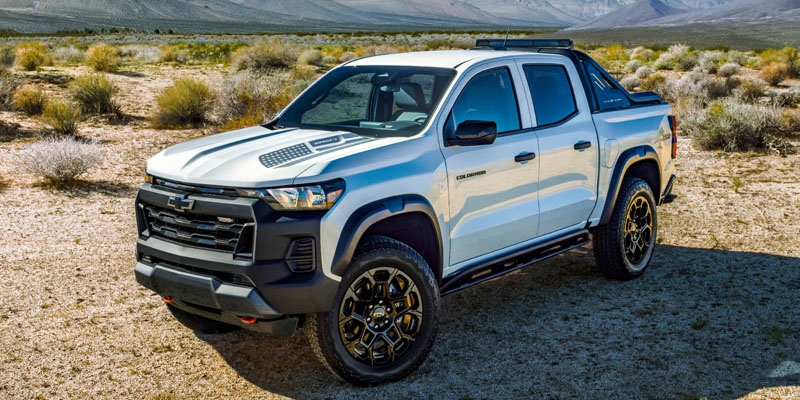
What Really Drives Chevy Truck Pricing
Chevy truck prices are shaped by far more than model name alone. Two trucks that look similar on the lot can be engineered very differently underneath.
Primary pricing drivers include:
- Powertrain selection including engine output and drivetrain layout
- Cab size and bed length affecting manufacturing cost
- Suspension and axle configuration tied to capability
- Technology packages influencing interior and safety systems
A four wheel drive crew cab with advanced trailering systems costs more to build than a two wheel drive extended cab work truck, regardless of exterior appearance.
Trim Levels and Feature Value Breakdown
Chevrolet trucks are structured so buyers can align cost with actual use. Pricing differences between trims reflect real hardware and system upgrades.
Lower trims focus on:
- Durability and payload balance
- Simplified interior systems
- Cost efficient ownership
Mid level trims add:
- Enhanced infotainment and connectivity
- Improved seating materials and comfort features
- Additional safety and driver assistance systems
Higher trims justify pricing through:
- Advanced trailering technology
- Off road suspension components
- Interior refinement and noise control
- Specialized drivetrain options
Comparing trims by equipment rather than appearance prevents paying for features that may never be used.
Midsize vs Full Size Price Comparison
Many shoppers cross shop midsize and full size Chevy trucks based on budget rather than size preference.
Midsize trucks often provide:
- Lower entry pricing
- Reduced fuel and maintenance costs
- Easier daily driving and parking
Full size trucks offer:
- Higher towing and payload ratings
- Greater interior width
- Expanded bed options
For buyers who do not need maximum towing, midsize trucks often deliver better value relative to real usage.
New Versus Used Pricing Considerations
Used truck pricing depends heavily on condition, mileage, and configuration. A lightly used high trim truck may cost more than a new lower trim model due to demand for specific features.
Key evaluation points include:
- Remaining factory warranty coverage
- Drivetrain wear based on prior use
- Technology relevance compared to newer models
- Maintenance history
New trucks provide predictable ownership costs while used trucks can offer upfront savings depending on market conditions.
Why Local Pricing Varies
Local truck pricing reflects inventory movement, regional demand, and model availability. Trucks configured for towing or off road use may command higher pricing in regions where those features are in demand.
Factors influencing local offers include:
- Inventory age and supply levels
- Seasonal buying patterns
- Configuration popularity in the area
- Manufacturer incentives tied to production cycles
This is why pricing comparisons should always consider vehicle configuration rather than assuming uniform cost.
Feature Comparison Versus Brand Comparison
Many buyers compare Chevy trucks to competitors expecting large price gaps. In reality, similarly equipped trucks across brands often fall within a narrow pricing range.
What separates value is:
- Ease of use of trailering systems
- Cabin ergonomics and visibility
- Power delivery behavior under load
- Long term maintenance expectations
These factors affect ownership satisfaction more than small price differences.
Making a Confident Comparison
The most effective way to compare Chevy truck pricing is to match capability first, then evaluate cost. Trucks built for different purposes should not be compared solely on price.
Understanding how trims, drivetrains, and real world use influence cost allows shoppers to choose a truck that fits both budget and expectations without overbuying or compromising capability.
Connect with us


