





When Gonzales drivers begin shopping for a Chevrolet SUV, the comparison rarely stays focused on one model. Buyers typically evaluate multiple size classes before narrowing their decision. The most common factors driving that decision are interior space, safety integration, and technology capability relative to budget.
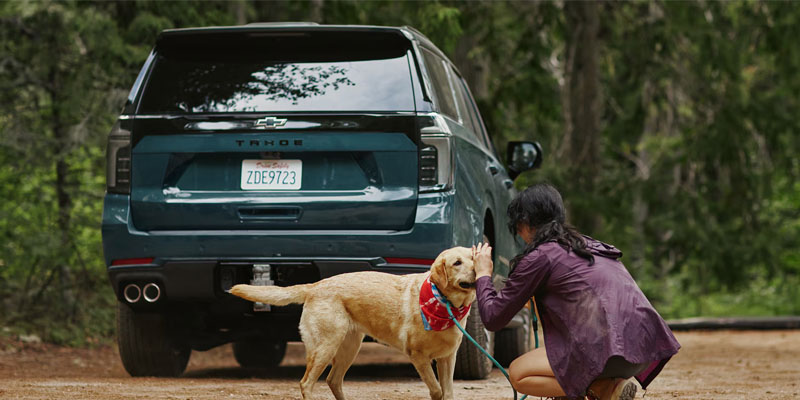
Chevrolet’s SUV lineup spans compact efficiency to full-size towing strength. Understanding how models differ structurally and mechanically ensures you choose the right platform rather than simply choosing the largest option available.
Compact SUV Options: Chevrolet Trax and Chevrolet Trailblazer
Compact SUVs are engineered for maneuverability, fuel efficiency, and commuter practicality.
Trax:
- Five-passenger seating
- Turbocharged small-displacement engine
- Designed for urban driving
- Strong combined fuel economy
- Slightly larger footprint than Trax
- Available all-wheel drive
- Multiple turbocharged engine options
- Flexible cargo configuration
Compact SUVs appeal to:
- Single drivers or couples
- Small families
- Buyers prioritizing fuel economy
- Drivers navigating tighter city spaces
Cargo capacity in compact SUVs supports groceries, sports equipment, and moderate travel needs. However, rear-seat space is more limited compared to midsize options.
Compact to Midsize Transition: Chevrolet Equinox and Chevrolet Blazer
The Equinox represents a step up in interior space while maintaining manageable exterior dimensions.
- Two-row seating
- Turbocharged four-cylinder engine
- Available all-wheel drive
- Increased rear legroom compared to Trax
- Wider stance and more aggressive styling
- Multiple engine options including V6 in certain configurations
- Enhanced performance positioning
- Larger infotainment display availability
These models balance everyday efficiency with expanded passenger comfort.
For Gonzales drivers who want additional space but do not require a third row, this segment provides an effective compromise.
Three-Row Midsize SUV: Chevrolet Traverse
The Traverse is designed specifically for families requiring third-row seating without moving into full-size SUV territory.
Key Characteristics:
- Standard three-row configuration
- Seating for up to eight
- Expanded cargo volume behind the third row
- Turbocharged engine tuned for torque
Cargo flexibility is one of the Traverse’s defining advantages. Even with the third row in use, it provides usable storage capacity.
For families balancing school routines, travel, and occasional towing, the Traverse serves as a practical middle ground.
Full-Size SUV Capability: Chevrolet Tahoe and Chevrolet Suburban
Full-size SUVs operate on truck-based architectures with body-on-frame construction.
- Seating for up to eight
- V8 engine options
- Independent rear suspension in current generation
- Significant towing capability
- Extended wheelbase version of Tahoe
- Maximum cargo capacity within the Chevrolet lineup
- Expanded third-row legroom
Independent rear suspension dramatically improved third-row comfort and cargo usability compared to older solid axle designs.
Full-size SUVs are chosen by:
- Large families
- RV owners
- Drivers towing boats or trailers
- Buyers needing maximum interior volume
Cargo Space Considerations
Cargo space increases progressively across segments:
Compact SUVs:
- Designed for light daily use
- Rear seats fold for expanded storage
Midsize SUVs:
- More rear legroom
- Increased cargo behind second row
Three-row SUVs:
- Usable cargo behind third row
- Maximum cargo when rear rows fold
Full-size SUVs:
- Significant storage even with full passenger load
- Highest maximum cargo volume in lineup
Choosing the correct SUV often depends on how frequently all seats are occupied versus how often maximum cargo is required.
Safety Systems Across the Lineup
Chevrolet integrates advanced safety systems across its SUV lineup.
Common standard and available features include:
- Forward collision alert
- Automatic emergency braking
- Lane keep assist
- Blind zone alert
- Rear cross traffic alert
- Adaptive cruise control
Higher trims introduce expanded driver assistance systems including Super Cruise in select full-size models.
Safety consistency across size classes allows buyers to prioritize space without sacrificing core protection systems.
Technology Integration
Technology varies by model and trim level.
Common features include:
- Large touchscreen infotainment displays
- Wireless Apple CarPlay and Android Auto
- Digital driver information displays
- Google built-in in select models
Full-size SUVs often offer the most expansive digital interfaces and premium audio systems.
Buyers comparing tech should evaluate trim-specific differences rather than assuming all models include identical features.
Fuel Economy and Engine Tradeoffs
Fuel economy decreases as SUV size increases due to vehicle mass and engine displacement.
Compact SUVs:
- Highest fuel efficiency
- Smaller turbocharged engines
Midsize SUVs:
- Balanced efficiency and power
Full-size SUVs:
- V8 engine availability
- Lower fuel efficiency
- Increased towing capability
Selecting a larger SUV solely for occasional space needs may increase long-term fuel cost without added daily benefit.
All-Wheel Drive and Towing Capability
All-wheel drive is available across most of the lineup.
Towing capability varies significantly:
Compact SUVs:
- Limited towing capacity
Traverse:
- Moderate trailering capability
Tahoe and Suburban:
- Designed for substantial towing strength
Understanding whether towing is occasional or routine helps determine appropriate platform size.
How Gonzales Buyers Narrow Their Decision
The typical decision-making process includes:
- Counting regular passenger needs
- Evaluating cargo frequency
- Considering towing requirements
- Reviewing daily commute distance
- Assessing budget alignment
- Comparing trim-level technology
The correct Chevrolet SUV is determined by matching interior volume and mechanical capability to actual usage patterns.
Choosing based on measurable need rather than maximum size ensures both financial efficiency and long-term satisfaction.


