





Truck shoppers in Gonzales are no longer comparing vehicles based solely on sticker price. Most buyers are evaluating how configuration, capability, and long term ownership value stack up across competing trucks. Understanding how Chevrolet truck pricing works helps clarify why prices vary and which features actually justify the cost.
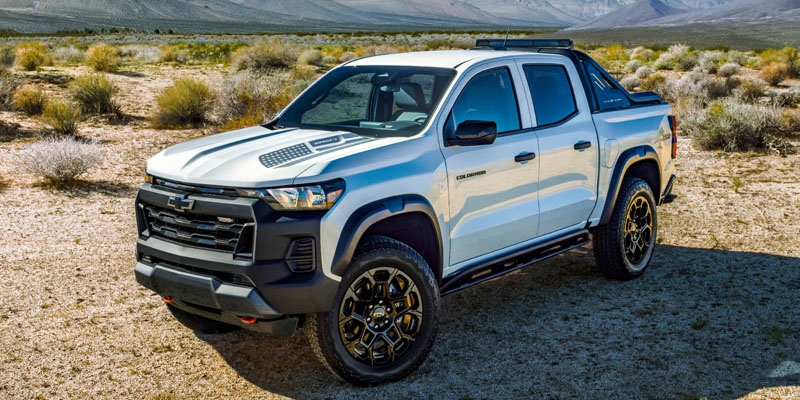
What Really Drives Chevy Truck Pricing
Chevy truck prices are shaped by far more than model name alone. Two trucks that look similar on the lot can be engineered very differently underneath.
Primary pricing drivers include:
- Powertrain selection including engine output and drivetrain layout
- Cab size and bed length affecting manufacturing cost
- Suspension and axle configuration tied to capability
- Technology packages influencing interior and safety systems
A four wheel drive crew cab with advanced trailering systems costs more to build than a two wheel drive extended cab work truck, regardless of exterior appearance.
Trim Levels and Feature Value Breakdown
Chevrolet trucks are structured so buyers can align cost with actual use. Pricing differences between trims reflect real hardware and system upgrades.
Lower trims focus on:
- Durability and payload balance
- Simplified interior systems
- Cost efficient ownership
Mid level trims add:
- Enhanced infotainment and connectivity
- Improved seating materials and comfort features
- Additional safety and driver assistance systems
Higher trims justify pricing through:
- Advanced trailering technology
- Off road suspension components
- Interior refinement and noise control
- Specialized drivetrain options
Comparing trims by equipment rather than appearance prevents paying for features that may never be used.
Midsize vs Full Size Price Comparison
Many shoppers cross shop midsize and full size Chevy trucks based on budget rather than size preference.
Midsize trucks often provide:
- Lower entry pricing
- Reduced fuel and maintenance costs
- Easier daily driving and parking
Full size trucks offer:
- Higher towing and payload ratings
- Greater interior width
- Expanded bed options
For buyers who do not need maximum towing, midsize trucks often deliver better value relative to real usage.
New Versus Used Pricing Considerations
Used truck pricing depends heavily on condition, mileage, and configuration. A lightly used high trim truck may cost more than a new lower trim model due to demand for specific features.
Key evaluation points include:
- Remaining factory warranty coverage
- Drivetrain wear based on prior use
- Technology relevance compared to newer models
- Maintenance history
New trucks provide predictable ownership costs while used trucks can offer upfront savings depending on market conditions.
Why Local Pricing Varies
Local truck pricing reflects inventory movement, regional demand, and model availability. Trucks configured for towing or off road use may command higher pricing in regions where those features are in demand.
Factors influencing local offers include:
- Inventory age and supply levels
- Seasonal buying patterns
- Configuration popularity in the area
- Manufacturer incentives tied to production cycles
This is why pricing comparisons should always consider vehicle configuration rather than assuming uniform cost.
Feature Comparison Versus Brand Comparison
Many buyers compare Chevy trucks to competitors expecting large price gaps. In reality, similarly equipped trucks across brands often fall within a narrow pricing range.
What separates value is:
- Ease of use of trailering systems
- Cabin ergonomics and visibility
- Power delivery behavior under load
- Long term maintenance expectations
These factors affect ownership satisfaction more than small price differences.
Making a Confident Comparison
The most effective way to compare Chevy truck pricing is to match capability first, then evaluate cost. Trucks built for different purposes should not be compared solely on price.
Understanding how trims, drivetrains, and real world use influence cost allows shoppers to choose a truck that fits both budget and expectations without overbuying or compromising capability.


