





Choosing between the Chevrolet Traverse and Chevrolet Tahoe is less about which SUV is bigger and more about how each one is engineered to support daily family life. While both offer three rows and strong interior flexibility, they are built on very different platforms that directly affect space usage, ride quality, and long term ownership experience.
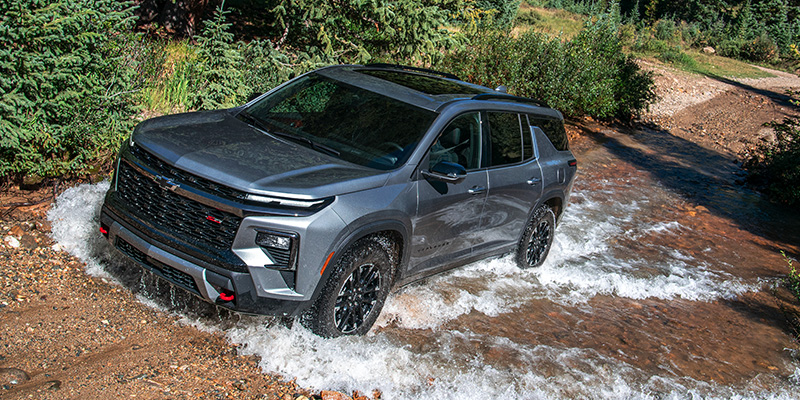
Platform Design and Why It Matters
The Traverse and Tahoe are designed around fundamentally different vehicle architectures.
The Traverse uses a unibody platform, meaning the body and frame are integrated into a single structure. This allows:
- Lower floor height for easier entry and exit
- More efficient interior packaging
- Reduced vehicle weight
- Smoother ride quality on pavement
The Tahoe uses a body on frame platform similar to full size trucks. This design supports:
- Higher towing capacity
- Greater structural durability under heavy load
- Increased ground clearance
- Larger exterior footprint
For families who are not towing heavy trailers, the unibody design of the Traverse often results in more usable passenger space despite the Tahoe’s larger exterior dimensions.
Interior Space and Seating Practicality
Interior measurements tell only part of the story. How space is shaped and accessed matters more for real family use.
Traverse interior advantages include:
- Wider third row seating with easier legroom access
- Lower step in height for children and older passengers
- Flatter load floor when seats are folded
- Easier third row access from second row walk through
Tahoe interior strengths include:
- Higher seating position for improved road visibility
- More shoulder room across all rows
- Larger maximum cargo volume with seats folded
- Greater weight carrying capability
For families regularly using the third row, the Traverse typically feels more accommodating day to day, especially during school drop offs and long trips.
Cargo Space Behind the Third Row
One of the most misunderstood comparisons involves cargo space.
The Traverse offers a longer cargo area behind the third row due to its stretched wheelbase and unibody layout. This makes it easier to fit strollers, sports gear, and groceries without folding seats.
The Tahoe provides more overall cargo volume when seats are folded but often less usable depth behind an upright third row.
This distinction matters for families carrying passengers and cargo at the same time.
Ride Comfort and Noise Control
Ride quality differences stem directly from platform design.
Traverse ride characteristics:
- More car like handling
- Less body movement over uneven pavement
- Quieter cabin during highway cruising
- Better suited for urban and suburban driving
Tahoe ride characteristics:
- Firmer suspension under light load
- Improved stability when fully loaded or towing
- More noticeable road feedback on rough surfaces
Families focused on comfort and long distance travel often find the Traverse easier to live with daily.
Powertrain and Fuel Efficiency Considerations
Both SUVs use V6 based powertrains, but vehicle weight significantly impacts efficiency.
Traverse benefits:
- Lower overall vehicle weight
- Better fuel efficiency in city and highway driving
- Reduced braking and tire wear
Tahoe advantages:
- Higher torque output for towing
- Better thermal management under sustained load
- Engineered for durability with heavy use
For families not towing regularly, the Traverse offers a more balanced efficiency profile.
Safety and Family Focused Features
Both models include advanced safety technology, but the Traverse emphasizes family oriented usability.
Key family friendly features include:
- Rear seat reminder systems
- Surround vision camera availability
- Multiple USB ports across all rows
- Easy latch access for child seats
Tahoe safety systems excel when managing mass and momentum, particularly under load or in adverse conditions.
Ownership Costs and Long Term Considerations
Traverse ownership tends to be more economical over time due to:
- Lower purchase price
- Reduced fuel consumption
- Lower maintenance and tire replacement costs
Tahoe ownership is best suited for families who need towing capability, frequent hauling, or rugged durability over long distances.
Final Comparison Perspective
The Chevrolet Traverse is engineered as a family first SUV with efficient space usage, everyday comfort, and easier daily operation. The Chevrolet Tahoe is built for families who need maximum capability, towing strength, and long term load support.
Choosing between them comes down to how your family actually uses space, not which SUV appears larger on paper.


