





The Chevrolet Colorado is built for drivers who need real truck capability without the size and operating cost of a full size pickup. For many shoppers, the decision comes down to three questions. How much can it tow, how capable is it off road, and does it work as an everyday vehicle. Understanding how the Colorado is engineered answers all three.
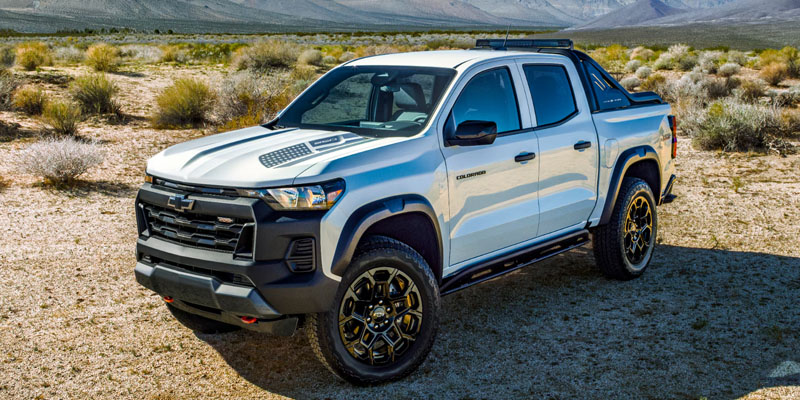
Colorado Powertrain and Why Torque Matters for Towing
Modern Colorado performance is centered around turbocharged torque rather than high RPM horsepower. This matters because towing stresses an engine differently than unloaded driving.
Key mechanical considerations include:
- Turbocharged engines deliver peak torque at lower engine speeds, reducing strain when pulling weight
- Lower RPM torque improves launch from a stop, especially on ramps or uneven ground
- Cooling systems are designed to manage sustained load, not short bursts
Depending on configuration, the Colorado can tow up to approximately 7700 pounds when properly equipped. That capacity is not just about engine output. It is the result of:
- Frame strength designed for vertical and horizontal load
- Rear axle ratios optimized for pulling weight
- Integrated transmission cooling to prevent heat buildup
- Trailer sway control working through stability systems
For campers, small equipment trailers, and boats, this towing range fits the real needs of most midsize truck buyers.
Trailering Technology That Supports Real World Use
Towing safely is not just about raw numbers. The Colorado includes systems that actively manage trailer behavior while driving.
These systems include:
- Integrated trailer brake controller support
- Automatic trailer sway mitigation using selective braking
- Hitch guidance through camera systems on equipped trims
- Tow haul mode adjusting shift points and engine braking
Together, these systems reduce driver fatigue and increase control, especially in crosswinds or stop and go traffic.
Off Road Capability Explained by Trim and Hardware
Not all Colorado trims are built for the same terrain. Off road performance comes from suspension geometry, drivetrain control, and traction management, not cosmetic packages.
Z71 Off Road Focus
The Z71 trim balances trail capability with daily comfort.
Mechanical highlights include:
- Off road tuned suspension for improved articulation
- Automatic locking rear differential for low traction conditions
- Skid plates protecting critical underbody components
- Selectable drive modes adjusting throttle and traction response
This setup works well for dirt roads, sand, light mud, and uneven job sites while maintaining stable highway manners.
ZR2 High Capability Off Road Engineering
The ZR2 is engineered specifically for aggressive terrain.
Key differences include:
- Multimatic DSSV dampers designed for high speed off road control
- Front and rear locking differentials for maximum traction
- Increased ground clearance and wider track width
- Dedicated off road drive modes tuned for rock crawling and desert terrain
These components allow controlled wheel movement and traction where standard trucks would lose grip or bottom out.
Everyday Driving Comfort and Practicality
One of the most common Colorado questions is whether it works as a daily driver. The answer depends on how it is used.
Daily friendly advantages include:
- Easier parking and maneuverability compared to full size trucks
- More composed ride quality due to shorter wheelbase
- Better fuel efficiency relative to larger pickups
- Comfortable seating position without excessive ride height
Interior design focuses on durability with practical layout, especially in crew cab configurations where rear seat space supports family or work use.
Trim Selection Based on Real Use Cases
Understanding trim differences helps buyers avoid paying for features they do not need or missing ones they do.
- Work focused trims prioritize durability, payload balance, and cost efficiency
- Z71 adds comfort and light off road capability without sacrificing daily drivability
- ZR2 is purpose built for demanding off road conditions and trail use
Choosing the right trim depends on how often towing or off road driving occurs, not just how it looks.
Colorado Versus Full Size Truck Considerations
Many shoppers compare the Colorado to full size trucks like the Silverado. The tradeoff is straightforward.
Colorado advantages:
- Easier daily operation
- Lower purchase and ownership cost
- Sufficient towing for most recreational needs
Full size truck advantages:
- Higher maximum towing and payload
- Larger bed options
- Greater interior space for heavy duty work
For drivers towing under eight thousand pounds and prioritizing versatility, the Colorado fits a wide middle ground.
Long Term Ownership Expectations
Colorado reliability is supported by proven drivetrain design, simplified turbo architecture, and modern stability systems that reduce mechanical stress during towing and off road use.
Key ownership considerations include:
- Proper maintenance of cooling and drivetrain components when towing regularly
- Using correct trailering equipment and weight distribution
- Selecting trim level that matches actual driving conditions
When used within its design parameters, the Colorado offers long term durability without the operating burden of a larger truck.
Final Perspective
The Chevrolet Colorado succeeds because it is engineered around how midsize truck owners actually drive. It delivers meaningful towing capacity, legitimate off road capability, and daily usability without excess size or complexity. Understanding how its systems work makes choosing the right configuration far easier and ensures the truck performs as intended in real world use.


