





Truck shoppers in Gonzales rarely compare Chevrolet trucks on price alone. While advertised deals and incentives attract attention, informed buyers quickly realize that two trucks with similar pricing can deliver very different value depending on configuration, capability systems, and long-term ownership costs.
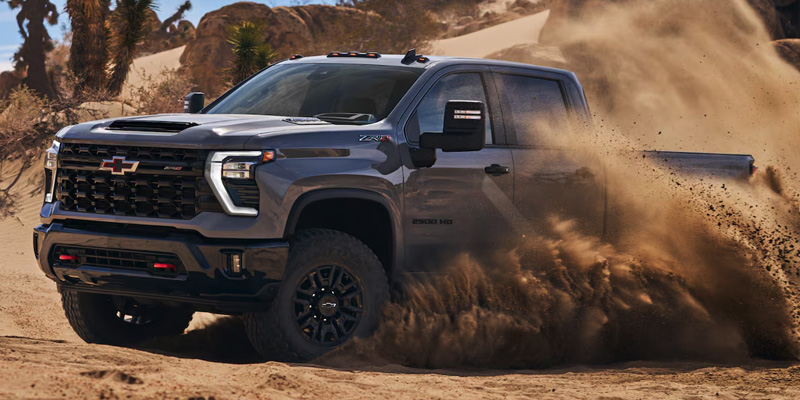
Understanding how prices, features, and availability interact helps shoppers evaluate offers more accurately and avoid comparing trucks that are not truly equivalent.
Why Chevy Truck Prices Vary More Than Expected
Chevrolet truck pricing is influenced by more than base MSRP. Variations often stem from how a truck is built rather than where it is sold.
Primary pricing drivers include:
- Trim level and standard equipment packages
- Engine and drivetrain selection
- Cab size and bed length
- Towing and payload packages
- Technology and safety system availability
Two trucks labeled under the same model name can differ significantly in cost because they are designed to support different use cases.
Trim Levels and Feature Content
Trim selection has one of the largest impacts on both price and long-term satisfaction. Entry trims focus on functional capability, while higher trims add comfort, appearance, and advanced technology.
What trims typically affect:
- Interior materials and seating comfort
- Infotainment screen size and system responsiveness
- Driver assistance and camera systems
- Exterior appearance and wheel packages
Comparing prices without accounting for trim differences often leads to misleading conclusions about value.
Engine and Drivetrain Impact on Pricing
Powertrain selection plays a major role in both upfront cost and ownership experience.
Factors that influence price:
- Turbocharged versus naturally aspirated engines
- Diesel options offering higher torque and efficiency
- Two-wheel drive versus four-wheel drive systems
- Rear axle ratios and towing support hardware
Buyers who understand their actual hauling and towing needs can avoid paying for excess capability they will never use.
Capability Packages and Real-World Value
Many Gonzales truck shoppers focus on towing ratings, but real value comes from how systems work together.
Capability-related options that affect price:
- Integrated trailer brake controllers
- Advanced cooling systems
- Hitch guidance and camera technology
- Suspension tuning for payload stability
Trucks equipped for real work often carry higher pricing due to the additional engineering and hardware involved.
Incentives, Timing, and Inventory Availability
Deals are often influenced by factors unrelated to the truck itself.
Common deal variables include:
- Model year changeover periods
- Regional incentives tied to inventory levels
- Financing programs versus cash incentives
- Demand for specific trims or configurations
Limited availability of high-demand configurations can reduce discount flexibility, while overstocked trims may carry stronger incentives.
Comparing Deals Beyond the Sticker Price
Smart shoppers evaluate the total offer rather than just advertised pricing.
What experienced buyers compare:
- Equipment included at the listed price
- Warranty coverage and service considerations
- Financing terms and interest impact
- Trade-in value alignment
- Long-term fuel and maintenance expectations
This approach helps buyers identify true value rather than headline pricing alone.
Why Feature Comparison Matters More Than Price Alone
A lower priced truck that lacks key systems may cost more over time due to reduced usability or resale value.
Features that often justify higher pricing:
- Advanced safety systems reducing accident risk
- Technology that improves daily usability
- Drivetrain options supporting real work needs
- Interior durability for long-term ownership
Evaluating these elements helps ensure the truck matches both current and future needs.
How Gonzales Shoppers Make Confident Decisions
Truck buyers in Gonzales tend to prioritize reliability, capability, and value retention. The most confident decisions come from understanding how pricing reflects engineering, equipment, and real-world performance rather than marketing claims.
Comparing Chevy trucks effectively means aligning price with purpose. When features, capability systems, and ownership expectations match the buyer’s actual use, the deal makes sense regardless of minor price differences.
Final Takeaway for Competitive Truck Shoppers
Chevy truck prices vary because trucks are built to serve different roles. Comparing deals accurately requires looking beyond numbers to evaluate how each truck is equipped, how it performs in real use, and how it will hold value over time.
Shoppers who focus on total value rather than surface pricing are more likely to choose a truck that delivers long-term satisfaction.


