





Choosing between the Chevrolet Colorado and the Chevrolet Silverado 1500 is less about which truck is better overall and more about which one is built for how you actually drive. While both wear the Chevy bowtie, they are engineered for very different use cases, and understanding those differences is critical to making the right long-term decision.
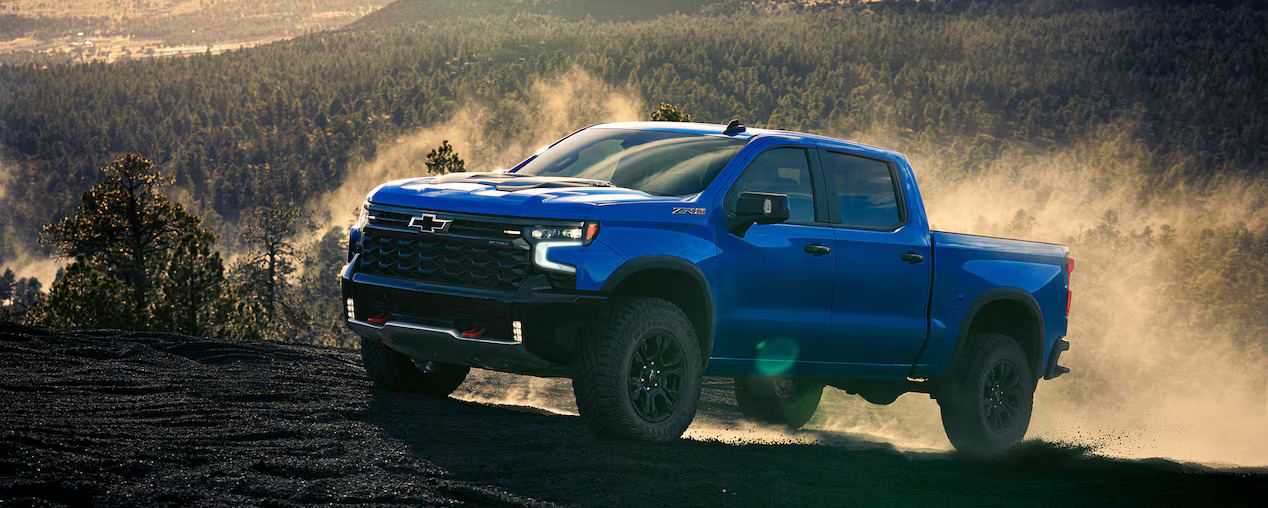
This comparison breaks down how size, powertrains, capability systems, and real-world usability separate a midsize truck from a full size truck.
Platform Size and Daily Usability
The most immediate difference between the Colorado and Silverado 1500 is physical size. That size difference affects far more than appearance.
The Colorado is built on a midsize truck platform designed for:
- Easier maneuverability in urban and suburban environments
- Reduced overall length and width for parking and tight roads
- Lighter curb weight contributing to easier daily driving
- Lower step-in height for frequent entry and exit
The Silverado 1500 sits on a full size truck platform that prioritizes:
- Wider stance and longer wheelbase for stability under load
- Larger bed options for hauling oversized materials
- Increased interior room for front and rear passengers
- Greater compatibility with heavy duty work equipment
Drivers who spend most of their time commuting, parking in lots, or navigating city streets often find the Colorado easier to live with day to day.
Engine and Powertrain Differences
Powertrain availability is one of the clearest separators between these two trucks.
The Colorado focuses on efficiency balanced with usable torque. Its turbocharged engine options are designed to deliver strong low-end torque for towing smaller trailers, boats, and equipment without the size or fuel demands of a full size truck.
The Silverado 1500 offers a broader engine lineup, including:
- Turbocharged four-cylinder options for lighter duty use
- Naturally aspirated V8 engines for traditional truck buyers
- Diesel engine options focused on torque and long-distance efficiency
These options give the Silverado a wider capability ceiling, but they also increase complexity and ownership considerations.
Towing and Payload Explained in Real Terms
Many shoppers focus on maximum towing numbers, but real-world truck use depends on payload, hitch weight, and stability.
Colorado towing considerations:
- Best suited for small to mid-size trailers
- Ideal for boats, campers, utility trailers, and recreational equipment
- Payload capacity supports tools and weekend hauling
- Easier trailer control due to lighter overall mass
Silverado 1500 towing considerations:
- Higher maximum towing ratings across engine options
- Greater payload capacity for heavy materials and equipment
- More stable under sustained towing loads
- Better suited for frequent or commercial-level hauling
If towing is occasional rather than constant, the Colorado often meets real needs without excess capacity that goes unused.
Ride Comfort and Driving Behavior
Ride quality differs significantly due to chassis tuning and suspension design.
The Colorado is tuned for:
- Responsive steering feel
- Reduced body roll in daily driving
- Lighter steering effort at low speeds
- Easier control in traffic and parking scenarios
The Silverado 1500 emphasizes:
- Stability under load
- Smoother ride when carrying weight
- Greater highway composure during long trips
- Reduced rear suspension squat when hauling
Drivers should consider how often the truck will be empty versus loaded when evaluating ride comfort.
Interior Space and Cab Functionality
Interior design reflects each truck’s intended role.
Colorado interiors prioritize:
- Efficient use of cabin space
- Front seat comfort for daily driving
- Modern infotainment systems
- Adequate rear seating for occasional passengers
Silverado interiors provide:
- More rear legroom in crew cab configurations
- Greater shoulder and hip room
- Larger storage compartments
- Enhanced comfort for long-distance or multi-passenger travel
Families or crews riding in the back seat regularly often lean toward the Silverado for space reasons alone.
Ownership Costs and Practical Considerations
Long-term ownership costs are another major decision factor.
Colorado ownership benefits:
- Lower purchase price
- Typically lower fuel consumption
- Easier maintenance access
- Reduced tire and brake replacement costs
Silverado ownership considerations:
- Higher upfront investment
- Increased fuel usage depending on engine choice
- Greater long-term capability value
- Strong resale demand in work-oriented markets
Neither choice is wrong, but buying beyond actual needs often increases ownership cost without added benefit.
How to Decide Which Chevy Truck Fits You
The Colorado is best suited for drivers who:
- Use their truck as a daily driver
- Tow occasionally rather than constantly
- Value maneuverability and efficiency
- Want truck capability without full size bulk
The Silverado 1500 is better aligned with drivers who:
- Tow or haul frequently
- Carry heavy payloads
- Need maximum versatility for work or recreation
- Want broader engine and configuration options
Final Perspective for Truck Shoppers
The Chevrolet Colorado and Silverado 1500 are both excellent trucks, but they are engineered for different priorities. The right choice comes down to how much truck you truly need, how often you will use its maximum capability, and how the vehicle fits into your daily life.
Matching truck size to real-world use leads to better comfort, lower ownership costs, and higher long-term satisfaction.


