





When Gonzales drivers begin comparing Chevrolet trucks, the conversation usually starts with price but quickly shifts to capability. The real decision is not simply light duty versus heavy duty. It is understanding how towing capacity, payload strength, engine configuration, and trim positioning align with daily workload and long-term ownership cost.
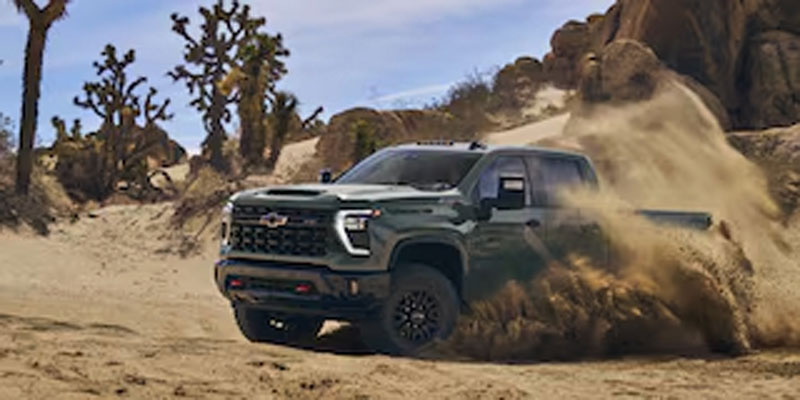
Chevrolet structures its truck lineup with clear engineering distinctions between the Silverado 1500, 2500HD, and 3500HD. Choosing the correct platform ensures you pay for capability you actually use.
Platform Differences: Light Duty vs Heavy Duty
The Silverado 1500 is a light-duty truck designed for balanced towing, everyday comfort, and broad configuration flexibility.
The Silverado 2500HD and 3500HD are built on reinforced frames with heavier suspension components, upgraded axles, and commercial-grade cooling systems.
Structural Differences:
Silverado 1500:
- Fully boxed frame
- Independent front suspension
- Designed for moderate to high towing needs
- Optimized for daily drivability
Silverado 2500HD and 3500HD:
- Heavier gauge frame reinforcement
- Increased rear axle strength
- Upgraded braking systems
- Designed for sustained heavy towing and hauling
If your trailer weight routinely exceeds the upper range of light-duty ratings, stepping into an HD platform protects drivetrain longevity.
Engine Lineup and Output Differences
Silverado 1500 Engine Options:
2.7L Turbo engine
- Strong low-RPM torque
- Efficient for a light-duty truck
- Designed for balanced commuting and utility
5.3L V8
- Traditional V8 power delivery
- Strong mid-range acceleration
- Well suited for moderate towing
6.2L V8
- Higher horsepower and torque
- Confident passing and load support
3.0L Duramax Turbo-Diesel
- Exceptional torque output
- Improved highway efficiency
- Designed for sustained towing performance
Silverado HD Engine Options:
6.6L V8 Gas
- Reliable heavy-duty output
- Lower upfront cost compared to diesel
6.6L Duramax Turbo-Diesel
- Substantial torque for fifth-wheel and gooseneck towing
- Paired with the Allison 10-speed automatic transmission
- Engineered for maximum commercial-grade durability
Torque is the key metric for heavy towing. Diesel engines produce higher torque at lower engine speeds, reducing strain during sustained load.
Transmission Engineering
Many Silverado models use a 10-speed automatic transmission.
Benefits include:
- Closer gear spacing for smoother acceleration
- Improved towing stability
- Optimized highway efficiency
The Allison 10-speed paired with the HD Duramax engine is specifically engineered for high torque handling and extended towing cycles.
Transmission strength is essential in heavy-duty applications. Proper pairing of engine and transmission ensures long-term durability.
Towing Capacity Comparison
Towing capacity varies significantly based on engine, axle ratio, and configuration.
Silverado 1500:
- Properly equipped models can exceed 13,000 pounds of towing capacity
Silverado 2500HD:
- Capable of towing over 20,000 pounds when configured appropriately
Silverado 3500HD:
- Dual rear wheel configurations can exceed 30,000 pounds in certain setups
Understanding the difference between conventional towing and fifth-wheel towing is critical.
Fifth-wheel towing places weight directly over the rear axle, increasing stability but also increasing required payload capacity.
If you tow:
- A small boat
- A compact camper
- Utility trailers
A properly equipped 1500 may be sufficient.
If you tow:
- Large RVs
- Livestock trailers
- Heavy construction equipment
An HD model provides necessary margin and control.
Payload and Bed Utility
Payload represents the total weight your truck can carry in the bed and cabin combined.
Higher payload ratings are necessary for:
- Heavy building materials
- Tool storage systems
- Fifth-wheel pin weight
HD models provide higher payload thresholds due to reinforced rear suspension systems.
Cab and Bed Configuration Impact
Silverado models offer:
Cab options:
- Regular Cab
- Double Cab
- Crew Cab
Bed lengths:
- Short bed
- Standard bed
- Long bed
Longer beds improve fifth-wheel mounting clearance and load distribution.
Crew Cab models increase passenger comfort for job crews or families.
Selecting cab and bed configuration impacts total weight ratings and price positioning.
Gas vs Diesel Ownership Considerations
Gas engines:
- Lower initial purchase cost
- Simpler emissions systems
- Suitable for occasional towing
Diesel engines:
- Higher torque output
- Improved fuel efficiency under load
- Designed for sustained heavy towing
Diesel ownership includes understanding emissions systems such as diesel exhaust fluid usage.
The decision depends on towing frequency and weight.
Trailering Technology Systems
Chevrolet integrates advanced trailering technology across the lineup.
Available systems include:
- Integrated trailer brake controller
- Multi-camera trailering views
- Hitch guidance with dynamic guidelines
- Trailer sway control
These systems enhance stability and driver confidence when towing.
Trim Levels and Pricing Strategy
Silverado trims range from:
Work Truck:
- Utility-focused
- Simplified interior
LT and RST:
- Balanced feature and value positioning
Trail Boss:
- Off-road suspension enhancements
ZR2:
- Advanced off-road hardware
High Country:
- Premium interior materials
- Advanced technology integration
As trims increase, interior refinement and driver assistance features expand, impacting pricing tiers.
How Gonzales Drivers Make the Decision
Drivers typically evaluate:
- Maximum trailer weight
- Payload requirements
- Daily commuting needs
- Budget alignment
- Cab space requirements
- Long-term ownership cost
The correct truck is determined by matching real-world workload with engineered capability.
Choosing a heavy-duty truck without requiring its capacity increases cost without adding practical benefit. Choosing too small a truck for consistent heavy towing increases mechanical strain.
Understanding the structural, engine, and capacity differences across the Silverado lineup ensures confident purchasing decisions rooted in capability rather than assumption.


