





SUV shoppers in Gonzales are increasingly comparing vehicles across size categories rather than committing to a single model early in the process. Chevrolet’s SUV lineup spans compact, midsize, and full size platforms, each engineered for different ownership priorities. Understanding how space, technology, and cost scale across these models makes choosing the right SUV far easier.
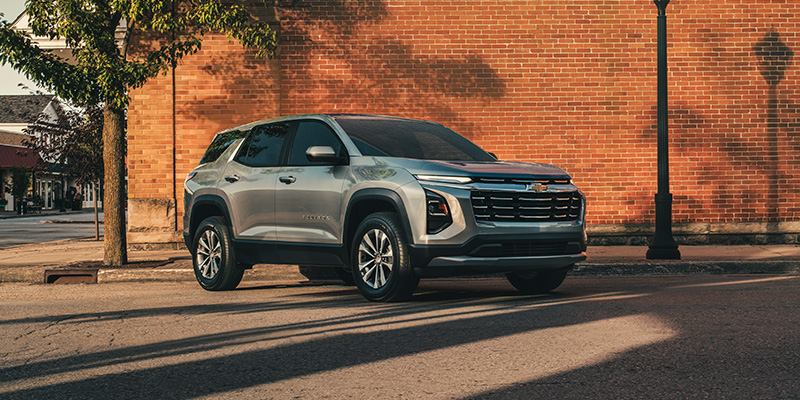
Platform Differences and Why They Matter
Chevy SUVs are built on two primary platform types, and this distinction affects ride quality, interior space, and cost.
Unibody SUVs prioritize:
- Lower vehicle weight
- Better fuel efficiency
- Easier daily driving
- More efficient interior packaging
Body on frame SUVs emphasize:
- Higher towing capacity
- Structural durability under heavy load
- Larger exterior dimensions
- Increased long term hauling capability
Shoppers who are not towing regularly often benefit more from unibody designs, even when space is a priority.
Interior Space Across Chevy SUV Segments
Interior space should be evaluated by usability, not just measurements.
Compact and subcompact SUVs focus on:
- Efficient passenger layout
- Easier parking and maneuverability
- Lower ownership cost
Midsize SUVs deliver:
- True three row seating
- Flexible cargo configurations
- Better balance of size and comfort
Full size SUVs provide:
- Maximum passenger and cargo volume
- Higher seating position
- Greater weight carrying capacity
For many families, midsize SUVs deliver the best balance of space without the operating cost of full size models.
Technology That Impacts Everyday Use
Technology differences between Chevy SUVs are not cosmetic. They directly affect daily convenience and long term satisfaction.
Key systems shoppers evaluate include:
- Infotainment responsiveness and screen size
- Smartphone integration consistency
- Surround vision and parking assistance
- Driver assistance features that reduce fatigue
Chevy SUVs are designed so technology scales by trim level, allowing buyers to prioritize features without stepping into a larger vehicle than necessary.
Safety and Driver Assistance as Value Drivers
Modern SUV shoppers increasingly factor safety technology into value calculations.
Important considerations include:
- Standard versus optional safety systems
- Ease of use rather than system quantity
- Visibility and camera clarity
- Consistency across trims
Chevy SUVs emphasize intuitive safety systems that support daily driving rather than overwhelming the driver.
Budget Focused Ownership Considerations
Budget friendly SUV shopping goes beyond purchase price.
Factors influencing long term cost include:
- Fuel efficiency tied to vehicle weight
- Tire and brake wear based on platform size
- Insurance differences across segments
- Maintenance access and complexity
Smaller SUVs often deliver meaningful savings over time, even if initial pricing differences appear modest.
Avoiding Overbuying Capability
One of the most common SUV shopping mistakes is buying more vehicle than needed.
Questions shoppers should evaluate:
- How often is the third row used
- Is towing a real requirement or occasional
- Does cargo need depth or height
- Is daily driving or long distance travel the priority
Chevy’s SUV lineup allows buyers to match capability to actual use rather than future hypotheticals.
Making a Confident SUV Comparison
Comparing Chevy SUVs works best when shoppers align platform, space needs, and technology priorities first. Price differences often reflect real engineering and system changes rather than branding.
Understanding how each SUV is designed to function in real world use leads to better long term satisfaction and avoids unnecessary ownership cost.


