





Truck shoppers in Gonzales are not just comparing monthly payments or advertised prices. Most are trying to understand why prices vary so much between similar Chevrolet trucks, how deals actually impact cost, and what ownership looks like over time. Models like the Chevrolet Colorado and Chevrolet Silverado 1500 often appear close in price depending on configuration, which makes it difficult to determine which truck delivers the best value. A clear evaluation comes from understanding how pricing is built, how capability aligns with cost, and how ownership expenses develop after the purchase.
How Chevy Truck Pricing Changes Based on Configuration
Many shoppers comparing Chevy trucks ask why pricing varies so widely within the same model. Truck pricing is heavily influenced by configuration choices rather than a single base price.
The Chevrolet Colorado and Chevrolet Silverado 1500 both start with a base configuration, but pricing increases as buyers adjust key variables. Cab size, bed length, drivetrain, and engine selection all contribute to the final cost.
For example, a Chevrolet Silverado 1500 Crew Cab with four wheel drive and a larger engine will cost significantly more than a Regular Cab configuration with rear wheel drive. Each change adds capability, space, or performance, which directly affects pricing.
Key configuration factors that influence price include:
- cab design, which determines passenger space and interior layout
- bed length, which affects cargo capacity and usability
- drivetrain systems such as two wheel drive or four wheel drive
- engine options that change power output and efficiency
Understanding these variables helps buyers compare trucks based on actual build rather than entry level pricing that may not reflect real world needs.
How Chevrolet Colorado and Silverado 1500 Differ in Cost and Capability
Buyers often want to know whether the Chevrolet Colorado or Chevrolet Silverado 1500 offers better value. The answer depends on how the truck will be used.
The Chevrolet Colorado is a midsize truck designed for efficiency and maneuverability. Its turbocharged engine provides strong torque for everyday driving and light towing while maintaining lower fuel consumption compared to larger trucks. The Colorado is often more cost effective for drivers who do not require maximum towing or payload capacity.
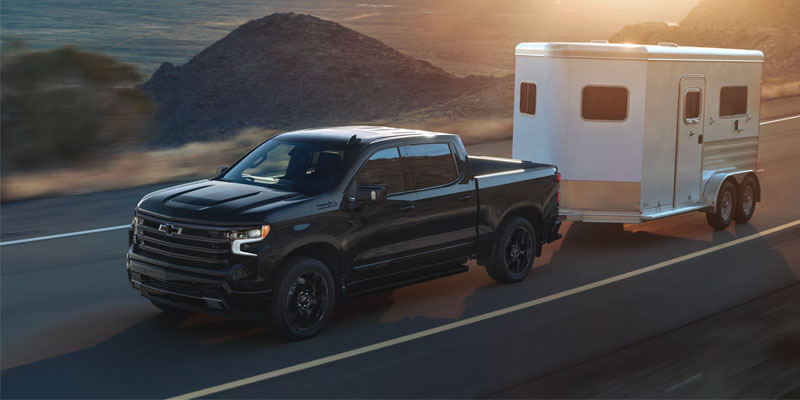
The Chevrolet Silverado 1500 is a full size truck built for higher capability. It offers multiple engine options, including larger displacement engines designed for towing and hauling heavier loads. The Silverado platform also provides more interior space and greater bed capacity.
These differences affect both price and usability:
- the Chevrolet Colorado supports drivers focused on commuting, light hauling, and occasional towing
- the Chevrolet Silverado 1500 is designed for heavier workloads, larger trailers, and increased passenger space
Choosing between them requires aligning capability with actual usage rather than selecting the larger truck by default.
How Engine Options Affect Performance and Long Term Cost
Many shoppers researching Chevy trucks ask how engine choice impacts both performance and ownership cost. Engine design plays a direct role in fuel consumption, towing capability, and long term expenses.
The Chevrolet Colorado turbocharged engine uses forced air to increase power output without requiring a larger engine block. This allows the Colorado to deliver strong low end torque while maintaining efficiency during daily driving.
The Chevrolet Silverado 1500 offers multiple engine options, including turbocharged and larger displacement engines. Larger engines generate higher horsepower and torque, which improves towing capability but increases fuel consumption.
Engine selection affects ownership in several ways:
- fuel efficiency changes based on engine size and driving conditions
- towing performance increases with higher torque output
- maintenance complexity can vary depending on engine design
For drivers who primarily commute or use the truck for lighter tasks, a turbocharged engine may provide a better balance of cost and performance. For those regularly towing or hauling, a larger engine may justify the increased fuel and operating cost.
How Truck Deals and Incentives Actually Work
Shoppers frequently search for the best Chevy truck deals near them, but many ask whether these deals actually reduce total cost. Pricing incentives can lower the upfront price, but they do not always reflect the full financial picture.
Deals may include manufacturer incentives, financing offers, or price reductions tied to specific trims or configurations. These incentives can make higher trim levels more accessible, but they may also be tied to conditions such as financing terms.
Understanding how deals function requires evaluating:
- whether the discount applies to the desired configuration
- how financing terms affect total cost over time
- whether incentives are offset by higher trim pricing
A lower advertised price does not always mean a lower total cost. Buyers should compare the full purchase structure rather than focusing only on the initial discount.
How Ownership Costs Impact Total Value Over Time
Many drivers ask how much it actually costs to own a truck beyond the purchase price. Ownership costs include fuel, maintenance, and how the truck is used over time.
The Chevrolet Colorado, with its smaller size and turbocharged engine, typically consumes less fuel during daily driving. This can reduce ongoing costs for drivers with shorter commutes or lighter workloads.
The Chevrolet Silverado 1500, while more capable, may require more fuel and maintenance depending on engine choice and usage. Trucks used for towing or heavy hauling will experience different wear patterns compared to those used primarily for commuting.
Ownership cost considerations include:
- fuel usage based on engine type and driving habits
- maintenance needs influenced by workload and mileage
- how frequently the truck is used for towing or hauling
Evaluating these factors helps determine whether a lower upfront price or a more capable truck provides better long term value.
How to Choose the Right Truck Based on Real Usage
Shoppers often ask which Chevy truck they should buy, but the better question is how the truck will actually be used. The right choice depends on matching capability to daily requirements.
Drivers who primarily commute, carry lighter loads, and need a more maneuverable truck may find the Chevrolet Colorado delivers the best balance of cost and usability. Its size and efficiency make it practical for everyday driving.
Drivers who require higher towing capacity, larger cargo space, or additional passenger room may benefit from the Chevrolet Silverado 1500. Its design supports more demanding tasks and larger scale use.
Evaluating usage should focus on:
- how often the truck will be used for work versus daily driving
- whether towing or hauling is a regular requirement
- how much interior and cargo space is needed
When these factors are clearly defined, it becomes easier to identify which truck aligns with both budget and long term needs.
Making a Confident Truck Decision
Truck pricing, deals, and ownership costs are all connected through how the vehicle is configured and used. Understanding how Chevrolet trucks are built, how their systems perform, and how they fit into daily life provides a clearer picture than comparing price alone.
When buyers evaluate capability, cost, and long term use together, the decision becomes more practical and aligned with real needs.


