





The 2026 Chevrolet Traverse is engineered around a simple but often overlooked reality of family vehicle ownership: interior space and system usability matter more than headline performance figures. For households managing passengers, car seats, cargo, and long daily drive cycles, the Traverse is designed to prioritize usable room, ride comfort, and technology that reduces friction rather than adding complexity.
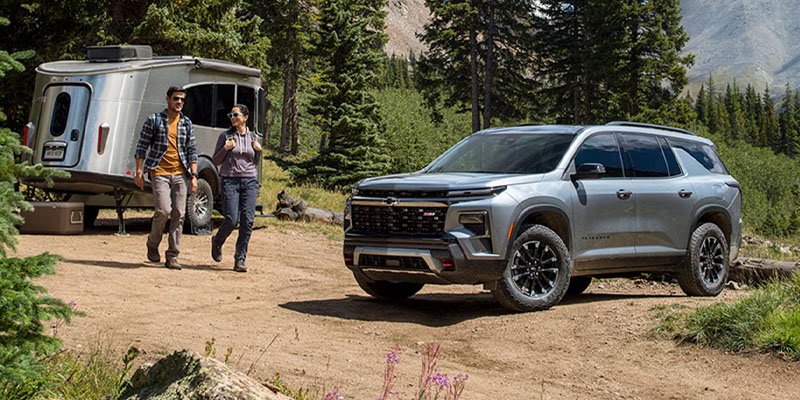
This model continues Chevrolet’s focus on real-world three row SUV functionality, offering one of the most spacious cabins in its segment while pairing it with safety and infotainment systems designed for clarity and reliability in daily use.
Interior Architecture and Passenger Space
The Traverse is built on a platform designed specifically to support three full rows of seating rather than adapting a smaller architecture. This distinction directly affects third row comfort, door access, and overall cabin proportions.
Key interior characteristics that matter in real family use include:
- Seating configurations that support up to eight passengers depending on trim
- A wide cabin footprint that allows adults to sit comfortably in the third row
- Flat floor geometry improving legroom and foot placement in rear seating positions
- Large door openings that simplify loading children, pets, and child safety seats
Unlike many midsize three row competitors where the third row is limited to short trips, the Traverse is structured to support extended occupancy without compromising comfort.
Cargo Capacity and Load Management
Cargo flexibility is one of the Traverse’s defining strengths. Chevrolet designed the rear cargo area to support daily family logistics rather than occasional use only.
Practical considerations for shoppers include:
- Usable cargo volume behind the third row for groceries, strollers, and sports equipment
- Fold-flat second and third row seats that create a long, continuous load floor
- Low rear load height that reduces strain when lifting heavier items
- Wide tailgate opening that accommodates bulky or irregular cargo
This design allows families to transition between passenger and cargo needs without constant seat reconfiguration.
Ride Comfort and Chassis Tuning
Rather than pursuing aggressive handling characteristics, the Traverse suspension and chassis tuning prioritize stability and comfort across long drive cycles. The long wheelbase helps smooth highway expansion joints and uneven pavement while reducing body movement for rear passengers.
Comfort-focused engineering benefits include:
- Suspension calibration designed to absorb road imperfections
- Reduced cabin noise through insulation and structural damping
- Seating ergonomics optimized for extended drive times
- Predictable steering behavior that reduces driver fatigue
This approach supports long road trips, carpools, and daily commuting without sacrificing passenger comfort.
Infotainment and Cabin Technology
The 2026 Traverse incorporates Chevrolet’s latest infotainment architecture, focusing on responsiveness, screen clarity, and ease of use rather than layered menu complexity.
Technology features families tend to value most include:
- A large central touchscreen with clear iconography and fast response
- Wireless smartphone integration for navigation and media
- Multiple USB charging ports distributed across all seating rows
- A configurable digital driver display that prioritizes essential information
These systems are designed to reduce distraction and simplify interaction while driving, which is particularly important in family-focused vehicles.
Driver Assistance and Safety Systems
Safety systems in the Traverse are built around accident avoidance and situational awareness rather than reactive intervention alone. Chevrolet integrates multiple driver assistance technologies that work together to reduce risk in common driving scenarios.
Frequently equipped safety systems include:
- Forward collision alert paired with automatic emergency braking
- Lane keep assist and lane departure warning
- Blind zone monitoring and rear cross traffic alert
- Available adaptive cruise control for highway driving
- Surround view camera systems to assist with parking and tight spaces
These technologies support drivers in traffic, parking lots, and highway conditions where family vehicles are most frequently used.
Trim Strategy and Buyer Evaluation
Traverse trims are structured to allow buyers to prioritize comfort, appearance, or technology without changing the underlying space and platform advantages.
When comparing trims, shoppers should evaluate:
- Seating material durability for children and pets
- Availability of advanced safety and camera systems
- Interior wear resistance and color options
- Technology features that align with daily driving needs
Because the core architecture remains consistent across trims, buyers are choosing feature emphasis rather than sacrificing interior usability.
Long Term Ownership Considerations
Family SUVs are often kept longer than performance-oriented vehicles, making durability and serviceability important decision factors. The Traverse emphasizes proven mechanical systems and service accessibility.
Ownership considerations include:
- Engine design focused on longevity rather than peak output
- Straightforward maintenance access for routine service
- A broad Chevrolet service network for long-term support
- Predictable fuel economy aligned with three row SUV expectations
This design philosophy supports stable ownership costs and long-term reliability.
What Family Shoppers Should Take Away
The 2026 Chevrolet Traverse succeeds by focusing on fundamentals that matter most to families. Interior space, seating comfort, cargo flexibility, safety integration, and technology usability are prioritized over unnecessary complexity or styling-driven compromises.
For shoppers comparing three row SUVs, the Traverse is best suited to those who value room, clarity, and long-term livability as part of everyday family transportation.


