





Choosing between the Chevrolet Trax and Equinox is less about brand and more about segment. Both are two-row SUVs designed for everyday practicality, but they serve different drivers. One prioritizes compact efficiency and value positioning. The other delivers greater interior volume, available all-wheel drive, and expanded capability.
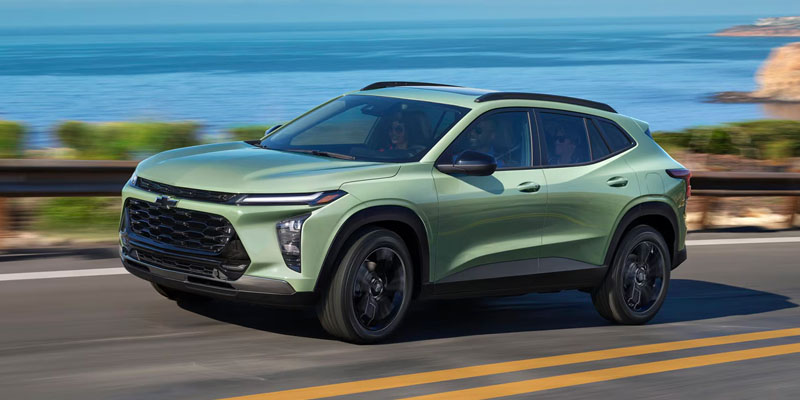
Understanding platform size, powertrain behavior, cargo capacity, and long-term ownership costs clarifies which SUV aligns with your daily routine.
Segment Positioning and Overall Size
The Trax is classified as a subcompact SUV. It rides on a shorter wheelbase with a narrower overall footprint. This directly affects maneuverability and parking ease.
The Equinox sits in the compact SUV segment. It is longer, wider, and engineered for increased passenger room and cargo flexibility.
What this means in practice:
Trax advantages:
- Easier to park in tight city environments
- Lighter curb weight
- Lower entry price tier
- Designed for commuter-focused efficiency
Equinox advantages:
- More rear legroom
- Greater cargo capacity
- Available all-wheel drive
- Broader trim and drivetrain flexibility
Drivers who primarily navigate urban roads often prioritize compact dimensions. Families transporting multiple passengers regularly benefit from the Equinox’s additional cabin volume.
Powertrain and Driving Behavior
Chevrolet Trax Engine
The Trax is powered by a turbocharged 1.2L three-cylinder engine paired with a 6-speed automatic transmission.
Characteristics:
- Tuned for efficiency over outright acceleration
- Lightweight configuration improves city maneuverability
- Strong low-speed torque for urban driving
The smaller displacement engine supports fuel economy while maintaining responsive throttle input at lower speeds.
Chevrolet Equinox Engine
The Equinox features a turbocharged 1.5L four-cylinder engine paired with an 8-speed automatic transmission.
Characteristics:
- Higher overall output compared to Trax
- Smoother highway acceleration
- Available all-wheel drive compatibility
The additional power and transmission gearing support highway merging and sustained higher-speed travel more comfortably.
Fuel Economy Comparison
Fuel economy is a frequent comparison point.
Trax:
- Designed for strong combined fuel efficiency
- Lighter platform contributes to lower fuel consumption
Equinox:
- Slightly lower combined MPG compared to Trax due to increased size
- Efficiency remains competitive within the compact SUV segment
Drivers with longer daily commutes may find the Trax’s efficiency beneficial. Drivers balancing highway travel and passenger capacity may prioritize the Equinox’s added power.
Cargo Space and Interior Volume
Cargo space often determines final purchase decisions.
Chevrolet Trax:
- Competitive cargo space for subcompact segment
- Rear seats fold flat to expand usable storage
- Designed for groceries, small furniture, and weekend travel
Chevrolet Equinox:
- Larger cargo volume behind the second row
- Greater maximum cargo capacity with seats folded
- More practical for strollers, sports equipment, and family luggage
Rear-seat legroom is also a differentiator. The Equinox provides noticeably more space for adult passengers in the second row.
For households regularly transporting rear-seat passengers, this difference matters.
All-Wheel Drive Availability
One of the most searched questions is whether the Trax and Equinox offer AWD.
The Trax is front-wheel drive only.
The Equinox offers available all-wheel drive in certain configurations.
All-wheel drive can improve traction in wet or uneven conditions. Drivers who prioritize additional stability during seasonal weather changes often consider this a key deciding factor.
Interior Technology and Features
Both SUVs integrate modern Chevrolet infotainment systems with touchscreen displays, smartphone connectivity, and advanced driver assistance features.
Equinox trims typically offer:
- Larger infotainment screens in upper trims
- Expanded digital instrument display
- Additional comfort upgrades
Trax trims focus on value-oriented packaging while still incorporating core safety and connectivity features.
Buyers evaluating interior experience should compare trim levels rather than simply comparing base models.
Ride Quality and Daily Comfort
Trax:
- Compact suspension tuning
- Responsive steering
- Designed for city agility
Equinox:
- More composed highway ride
- Additional cabin insulation
- Greater rear passenger comfort
The Equinox’s longer wheelbase contributes to smoother ride characteristics on longer trips.
Pricing Strategy and Long-Term Value
While exact pricing varies by trim and configuration, the Trax occupies a lower entry point within the Chevrolet SUV lineup.
The Equinox commands a higher price tier due to:
- Larger platform
- AWD availability
- Increased interior materials and technology options
The decision often comes down to whether the additional space and drivetrain flexibility justify the cost difference based on real usage patterns.
Which SUV Fits Your Driving Style?
Choose the Trax if:
- You prioritize fuel efficiency
- You drive primarily in urban environments
- You value compact maneuverability
- Rear-seat space is not a frequent priority
Choose the Equinox if:
- You need additional rear legroom
- You regularly transport multiple passengers
- You want available all-wheel drive
- Highway stability matters for daily commuting
Both SUVs fulfill specific roles within the Chevrolet lineup. The key is matching vehicle size and drivetrain capability to your actual driving demands rather than defaulting to the larger option.
Understanding how platform scale influences comfort, fuel consumption, and passenger capacity ensures you choose an SUV aligned with both budget and lifestyle.


