



Choosing a pickup means thinking through more than engine power. You may need rear seating during the week and a loaded bed on weekends. This Chevrolet Silverado 1500 review explains how the 2026 truck's engine, cab, bed, and equipment choices work together. It also covers trailer ratings and what to check before viewing individual trucks. The goal is to find a configuration that handles your routine without carrying equipment you rarely need.
Chevrolet Silverado 1500 Engine Choices
The 2026 Silverado 1500 offers four engines, each with a distinct mix of torque, horsepower, and transmission gearing. Start by considering the loads you carry, your travel distances, and where you refuel. For this reason, peak horsepower alone cannot tell you how the truck will respond while pulling away with cargo.
The standard TurboMax produces 310 horsepower and 430 lb-ft of torque. Its turbocharger uses exhaust energy to push more air into the engine. As a result, that extra air supports strong torque without requiring a large V8. Chevrolet pairs this engine with an eight-speed automatic transmission.
The available 5.3L EcoTec3 V8 delivers 355 horsepower and 383 lb-ft of torque. Furthermore, its ten-speed automatic offers more gear ratios to manage engine speed during acceleration and highway travel. The available 6.2L V8 produces 420 horsepower and 460 lb-ft of torque. Therefore, check trim availability and recommended fuel before selecting that engine.
Additionally, the 3.0L Duramax turbo-diesel produces 305 horsepower and 495 lb-ft of torque. In addition, it uses a ten-speed automatic. Diesel torque delivery is worth examining if you tow or make long highway trips. However, fuel prices, maintenance requirements, and local diesel access should enter the decision.
Test each available powertrain with the driving you plan to do. In addition, consider acceleration at moderate speeds, engine noise, gear changes, and fuel requirements. The strongest engine on paper may not be necessary for every household or work routine.
Silverado 1500 Towing and Payload
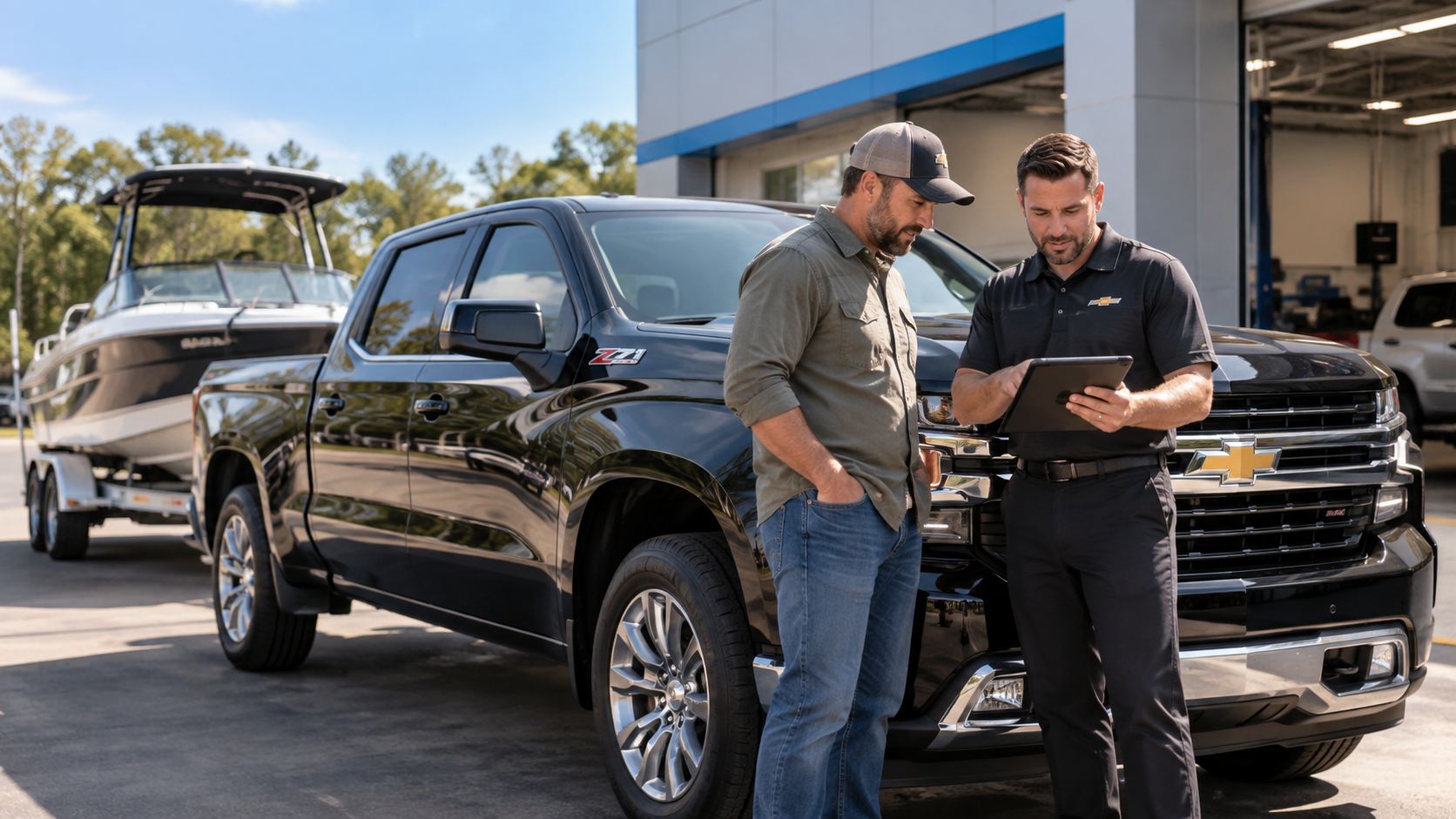
A Silverado 1500 can tow up to 13,300 pounds in a properly equipped 2026 configuration. That number does not apply to every cab, engine, axle, or drivetrain combination. More specifically, Chevrolet identifies a Duramax Double Cab with a standard bed and specified wheels for its highest published figure.
Towing capacity describes how much trailer weight a specific truck can pull within its rated limits. By contrast, payload describes weight the truck carries, including passengers, bed cargo, and trailer tongue weight. Therefore, a truck may meet its trailer-weight limit yet exceed its payload rating after passengers and gear enter the cab.
For a conventional trailer, tongue weight transfers part of the trailer's loaded mass onto the hitch. Consequently, that weight uses available payload alongside people, tools, and supplies. Furthermore, the hitch and trailer also have their own ratings. Never rely on the maximum towing number without checking the actual truck and trailer.
Before choosing a Silverado for towing, confirm these details:
- Loaded trailer weight: Use a realistic trailer weight that includes equipment, water, supplies, and other cargo.
- Truck payload: Add passengers, bed cargo, accessories, and expected tongue weight before reviewing the door-label limit.
- Required equipment: Check the hitch, wiring, brake controller, cooling provisions, and applicable trailering package.
- Individual ratings: Review the vehicle's documentation for gross vehicle, combined weight, and axle limits.
If the required weights exceed a suitable Silverado 1500 configuration, research the Silverado HD lineup. The dealership's Silverado 1500 versus 2500 guide provides a separate discussion of that choice. This review remains focused on the light-duty truck.
Silverado 1500 Cab Sizes, Bed Lengths and Passenger Space
Cab and bed selections change both cabin room and the truck's exterior length. A Regular Cab prioritizes the front seating area and bed access. A Double Cab adds rear seats while retaining a smaller rear passenger area than a Crew Cab. The Crew Cab provides more rear-seat room for adults, children, and car seats.
The 2026 lineup offers short, standard, and long beds across eligible configurations. However, not every cab pairs with every bed. Check the combinations available for the engine and trim you want. Still, a longer bed accommodates longer materials, but it also changes parking and turning demands.
The Silverado's Durabed includes twelve standard tie-downs to secure cargo. Additionally, an available Multi-Flex Tailgate offers several opening positions for bed access and loading. Still, a tailgate arrangement does not change the truck's rated payload or the need to secure materials.
For a truck that carries both people and tools, inspect the rear seating area before choosing bed length. Also, bring any child seats or large work items you expect to use. Finally, consider the overall vehicle length against your garage, driveway, and frequent parking spots.
Silverado 1500 Everyday Driving and Truck Technology
A pickup used for commuting has a different daily routine than one that spends most of its time carrying materials. For this reason, suspension, tires, cab size, and drivetrain all shape the Silverado's ride on local roads. A truck with off-road tires and a raised suspension may feel different from one with road-focused equipment.
During a test drive, check steering response on narrow streets and turning space in crowded lots. Also listen for tire noise at highway speeds and observe how the truck settles after pavement bumps. In addition, rear-seat passengers should evaluate legroom and access, not only front-seat comfort.
Available infotainment equipment includes a 13.4-inch center touchscreen and a 12.3-inch driver display on select trims. Wireless smartphone integration and compatible connected features vary by equipment. Therefore, examine the menus while parked and confirm your phone connects as expected.
For trailering, Chevrolet offers an available Trailering App and multiple camera views on eligible trucks. In addition, these tools provide useful information during hitching and low-speed maneuvering. They do not replace checking the surrounding area or following safe towing procedures.
Available Super Cruise on eligible High Country trucks supports hands-free travel on compatible roads. The driver must remain attentive and follow the feature's operating requirements. Consequently, verify every driver-assistance feature against the actual truck's equipment list before purchasing.
Choosing a Chevrolet Silverado 1500 Trim
The 2026 Silverado 1500 offers nine principal trims. They share a common truck platform, but their standard and optional equipment differs. Decide which features you will use before comparing exterior details or package names.
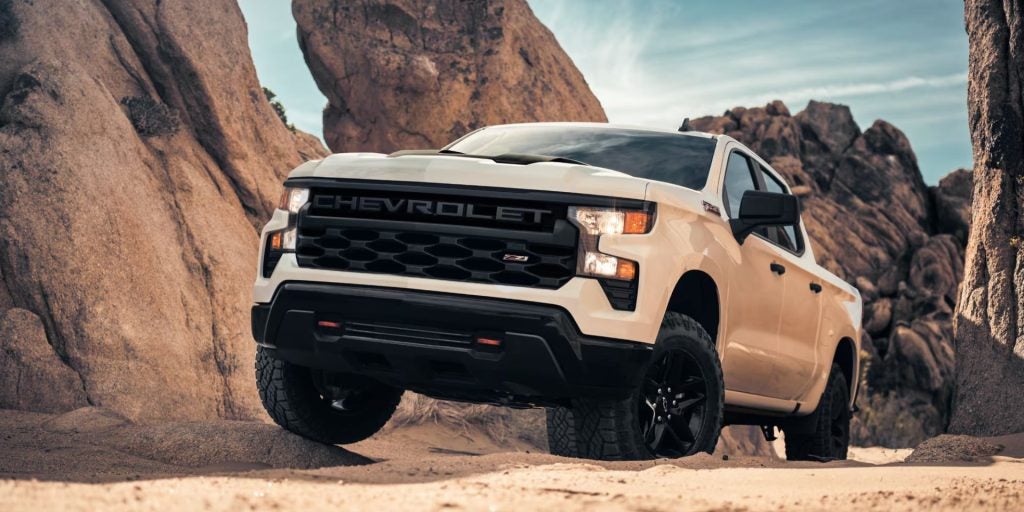
WT and Custom provide straightforward starting points. WT emphasizes essential truck equipment, while Custom adds convenience items and distinctive styling. Custom Trail Boss adds factory off-road equipment, including a suspension lift and specialized tires.
LT introduces additional cabin technology and comfort features. RST pairs a street-oriented appearance with several available engine choices. LT Trail Boss combines LT appointments with off-road hardware for drivers who need both.
LTZ adds more cabin features and available assistance equipment. High Country emphasizes interior appointments and available Super Cruise. ZR2 adds specialized off-road hardware, including Multimatic DSSV dampers and locking differentials, for more demanding terrain.
However, trim names are only a starting point. Furthermore, engine availability, seating arrangements, trailering equipment, and driver aids can change with packages. Therefore, check a specific vehicle's window sticker before assuming its equipment matches another Silverado of the same trim.
Selecting the Right Silverado 1500 Configuration
Start with the tasks your truck must handle most weeks. Then identify the situations that place the greatest demand on seating, bed space, and trailer ratings. As a result, the right combination should address both without forcing unnecessary compromises elsewhere.
Use these checks when narrowing your choices:
- Engine and fuel: Compare torque delivery, transmission operation, fuel needs, and planned travel distances.
- Cab and bed: Confirm rear passenger room, cargo dimensions, garage clearance, and parking space.
- Towing and payload: Check the individual truck's ratings with loaded passengers, tools, and trailer tongue weight included.
- Equipment and ride: Test the tires, suspension, displays, cameras, and driver aids on the exact configuration.
Once these details are clear, browse Ross Downing Chevrolet's Silverado 1500 inventory in Hammond. Next, compare available cab, bed, engine, and trim combinations before arranging a test drive. You can also review the dealership's finance resources as you plan your next purchase.
A Silverado 1500 should fit how you work, travel, and carry passengers. Check the exact truck's specifications and drive it on familiar roads. Together, those steps will give you a sound basis for choosing a configuration you'll use every day.