



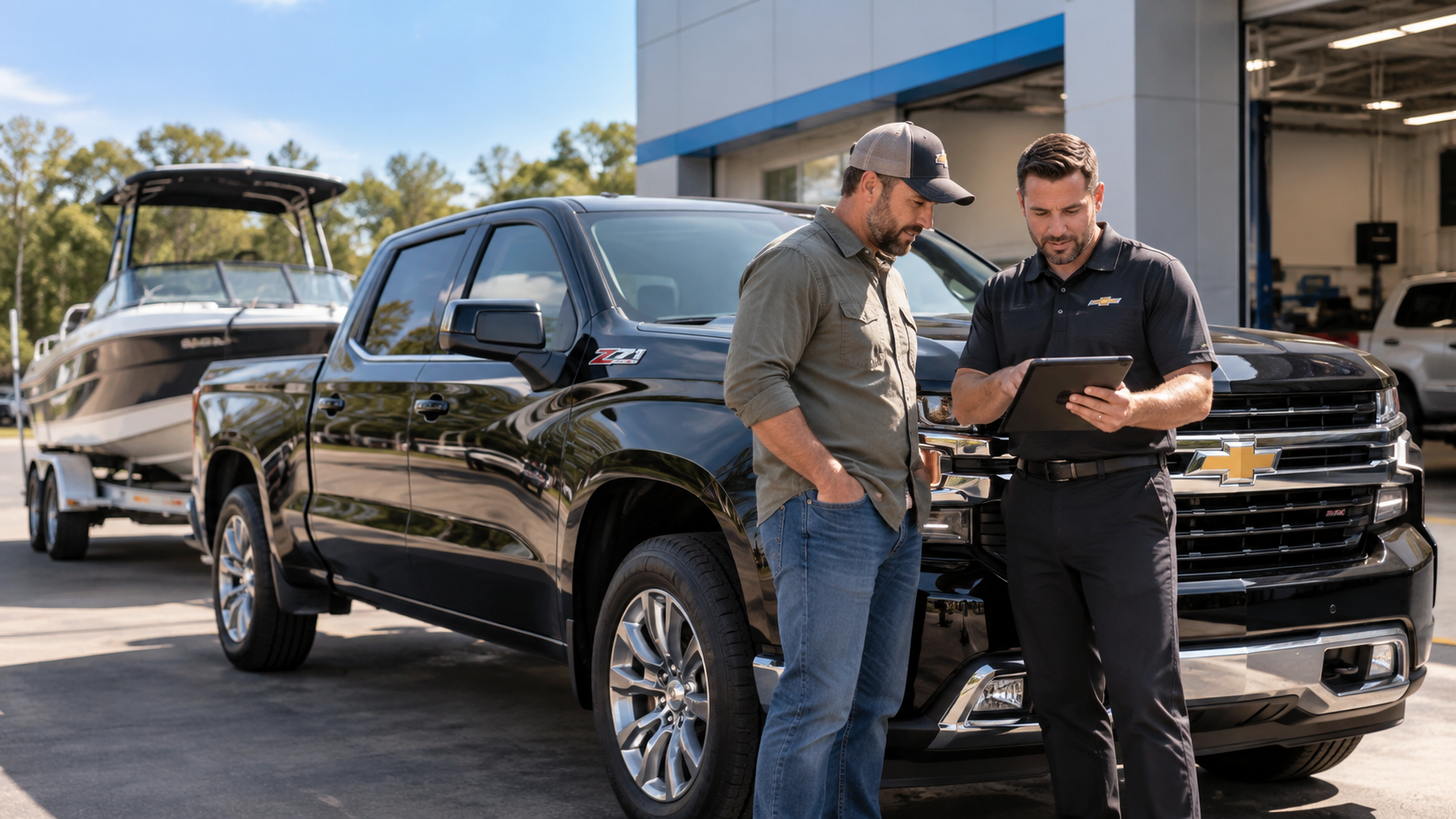
Chevy extended warranty options give Silverado owners another way to manage repair costs after factory protection ends. Additionally, a new Silverado already includes factory warranty protection from Chevrolet. Therefore, start by checking what your truck already has before adding another plan. Then compare plan length, deductible, covered parts, and how you plan to drive your truck. That process keeps the decision tied to your actual ownership plan.
Start With the Silverado Factory Warranty
A new Silverado includes factory limited warranty protection from Chevrolet. That protection begins when the truck enters service. Therefore, your in service date matters when you review any extra plan.
The bumper to bumper warranty covers a wide range of parts for a set time and mileage limit. Powertrain protection lasts longer and focuses on major drivetrain parts. In addition, certain Silverado engines may carry different powertrain terms under Chevrolet warranty rules. Therefore, your exact engine and model year matter.
If you are still comparing trucks, you can browse new Chevrolet inventory to review available Silverado models and configurations.
Before adding another contract, check the factory term that remains on your truck. A Chevrolet Protection Plan may overlap with part of that factory term. Therefore, the calendar length of a plan does not tell the whole story.
You should also review your annual mileage. High yearly mileage can move a truck through mileage limits sooner. By contrast, lower yearly mileage may leave more factory protection available for a longer period.
Chevrolet also permits eligible owners to purchase a Protection Plan after the original sale. Still, the truck must meet current program requirements. That gives you room to compare your needs before choosing a contract.
Compare Powertrain, Silver, and Platinum Protection
Chevrolet offers Powertrain, Silver, and Platinum Protection Plan levels. Each level covers a different group of listed parts. Therefore, the plan name matters less than the component list inside the contract.
Powertrain protection centers on major mechanical parts. Silver expands into more truck components. Platinum reaches further into electronics and driver technology. With that in mind, review what each tier adds before comparing prices.
- Powertrain focuses on listed engine, transmission, and drive components that can carry high repair costs.
- Silver adds listed steering, suspension, brake, electrical, and climate control components beyond the core drivetrain.
- Platinum adds more listed electronics, displays, navigation, parking assistance, and driver support components.
Moreover, a Silverado with more electronic equipment may lead you toward a broader plan. However, a simpler repair risk goal may point toward narrower protection. Therefore, the contract should make that distinction clear.
Do not stop at the covered part list. Additionally, check exclusions, repair authorization rules, deductible choices, and contract limits. Those details shape what happens when you file a covered repair claim.
Compare Plan Cost With Your Ownership Timeline
Is a Chevy extended warranty worth adding while factory protection still remains? The answer starts with your ownership timeline and budget.
Therefore, start by estimating how long you expect to keep the Silverado. A short ownership period may leave much of the factory warranty active. By contrast, a longer ownership period can place more years outside that term.
Next, compare your annual mileage with each plan limit. A driver who covers 20,000 miles each year will reach mileage limits sooner. Someone who drives 8,000 miles each year may reach the time limit first.
Additionally, review the deductible. A lower deductible can reduce your bill during a covered repair. However, the contract price may differ between deductible choices. Compare both numbers before you decide.
Use these points as your evaluation checklist:
- Confirm the remaining factory warranty time and mileage on your Silverado before adding another contract.
- Compare the Protection Plan term, deductible, covered part list, exclusions, and total contract price.
- Decide what size repair bill you could comfortably pay without shifting that risk into a protection plan.
A protection plan trades a known contract cost for more predictable covered repair spending. Therefore, the comparison should stay grounded in your budget. It should also reflect how long you plan to keep the truck.
If you want to compare protection costs alongside your purchase plan, the Ross Downing Chevrolet finance team can help you review available vehicle financing and extended warranty programs.
Review Towing and Work Use Before Choosing Coverage
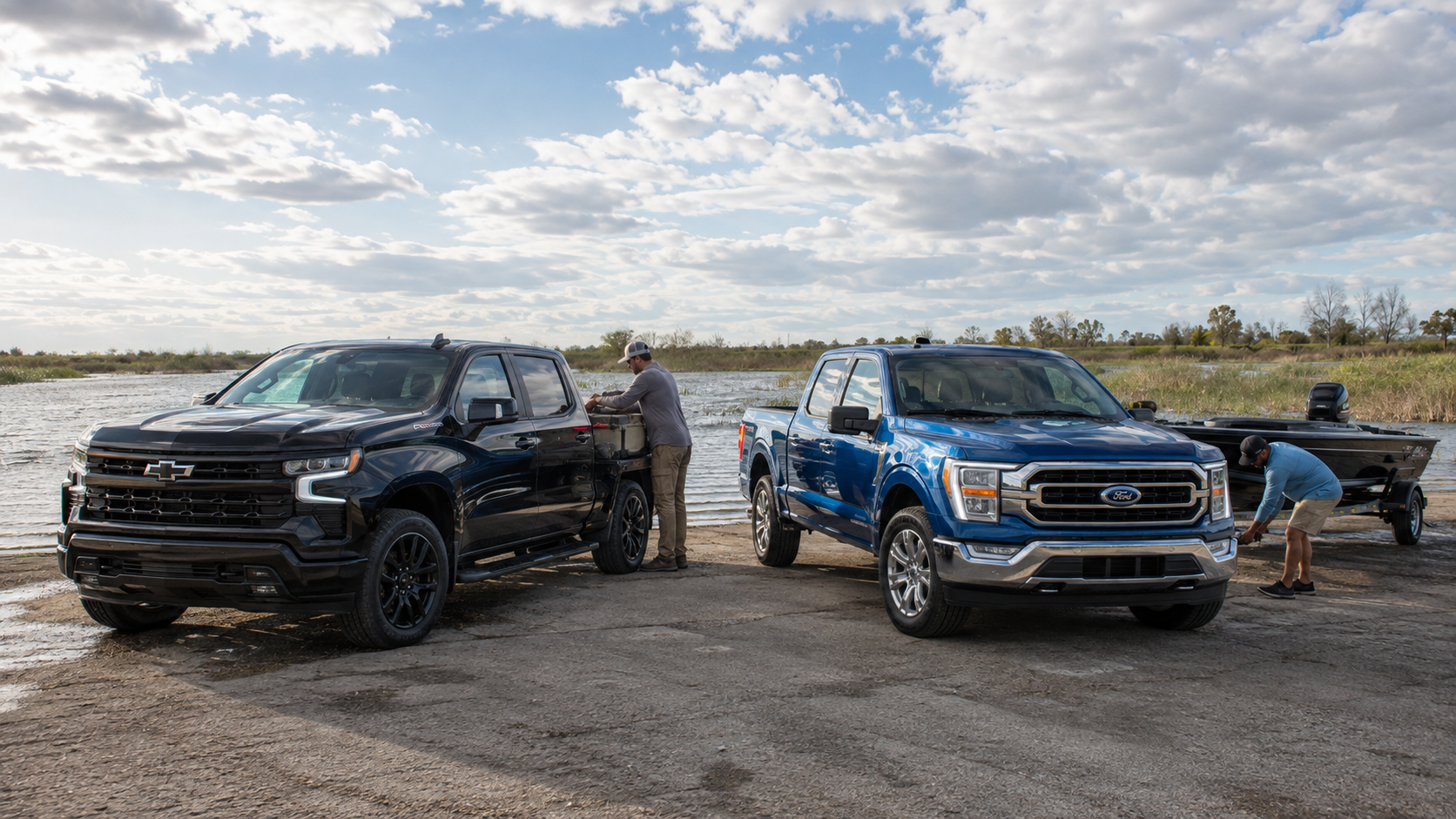
Moreover, towing and work duty deserve a closer contract review. Silverado owners may pull trailers, haul equipment, or use their trucks for paid work. Therefore, those tasks can change what contract language deserves your attention.
Does towing change warranty protection? Towing alone does not answer that question. The contract controls what qualifies as a covered repair. Therefore, you should read the terms before assuming a towing related failure will qualify.
Regular trailer work can place added demand on brakes, cooling components, driveline parts, and suspension parts. However, a protection plan does not automatically cover every failure connected with those areas.
Chevrolet contract language also addresses certain professional services and heavy duty applications. Some use categories may require a related optional selection when eligible. Consequently, business owners should describe their truck duty accurately when reviewing plan choices.
Before selecting protection for a working Silverado, confirm these points:
- Explain how you use the truck, including trailer work, business driving, jobsite travel, or other paid work.
- Ask which contract terms apply to that use and whether any optional use selection is required.
- Review exclusions tied to misuse, improper towing, maintenance, modifications, and noncovered damage.
This step matters for personal towing too. Your trailer weight, hitch setup, maintenance schedule, and operating habits all deserve attention. For this reason, contract review should happen before you assume a repair will qualify.
Regular inspections can also help catch wear before a towing or work trip. You can schedule Chevrolet service with Ross Downing Chevrolet for inspections, maintenance, diagnostics, and warranty repairs.
Choose a Plan by Reviewing the Contract, Not the Name
Therefore, the final choice should connect the plan to your Silverado and your finances. Start with the factory warranty that remains. Then compare your expected ownership length, yearly mileage, deductible, and covered parts.
A broader plan may make sense when you want more listed electronics and chassis components included. However, a narrower plan may fit someone focused mainly on major drivetrain repairs. Neither choice should come from the plan name alone.
Before signing, read the contract and ask direct questions. Confirm the start date, mileage terms, deductible, exclusions, cancellation terms, transfer rules, and claim process. Additionally, ask how your normal towing or work duty fits the written terms.
You can also compare the contract price with cash you already keep for repairs. That comparison gives the decision a clear financial frame. Beyond that, consider whether predictable covered repair costs matter more to you than paying repairs as they arise.
A Chevrolet Protection Plan is another ownership cost, so it deserves the same review as financing or insurance. Read the details, compare the numbers, and connect the terms to how you will use your Silverado. You can also contact Ross Downing Chevrolet if you want to discuss current Silverado protection options before making a decision.