


Blog / Hammond Chevrolet Service

Blog

All Hammond Chevrolet Service Hammond Chevrolet Dealer Ross Downing Chevrolet

Chevy SUV Maintenance: What to Expect in the First 3 Years

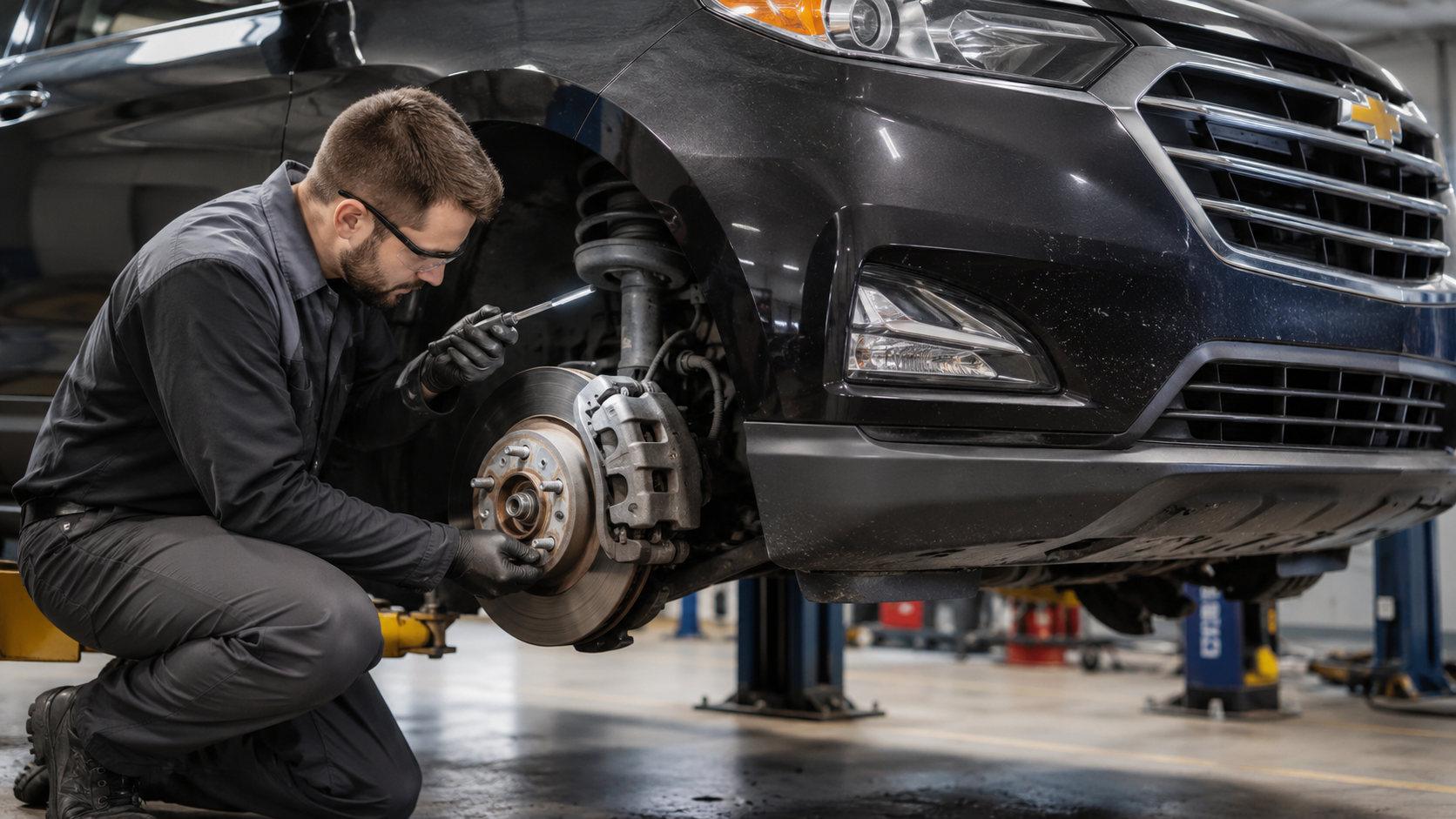
Chevy SUV maintenance schedules cover far more than oil changes because modern Chevrolet models monitor heat, driving patterns, fluid condition, and mechanical wear throughout ownership. Drivers researching chevy maintenance schedule information are usually trying to understand two things at the same time: what service visits are truly necessary and what ownership will realistically look like during the first several years. Chevrolet SUVs like the Equinox, Traverse, Tahoe, Blazer, and Trax use electronic monitoring, fluid analysis logic, and mileage tracking to calculate maintenance timing, but those reminders only represent part of the ownership picture. Physical inspections still matter because wear develops gradually through temperature cycling, road impact, braking load, and drivetrain stress long before a dashboard warning appears. Chevrolet Oil Monitoring Tracks More Than Mileage Why do Chevrolet SUVs still need inspections before warning lights appear? Oil monitoring software estimates engine oil degradation using calculations tied to engine temperature, idle duration, cold starts, RPM variation, and trip length. The monitor is not testing the oil directly. Instead, it predicts breakdown using driving data collected throughout ownership. That distinction matters because two identical Chevrolet Equinox models can reach oil service timing at completely different mileage intervals. A driver making short trips through traffic with repeated cold starts creates more engine contamination and moisture buildup than someone driving consistent highway mileage. During the first year of ownership, most Chevrolet SUVs primarily cycle through: more • Oil and filter service • Tire rotations • Brake inspections • Multi point inspections • Battery testing Modern direct injection engines also place heavier demands on oil stability because combustion temperatures and fuel management operate differently than older engine designs. Heat cycling breaks down oil additives gradually, reducing lubrication protection around timing components, turbochargers, valve train assemblies, and piston surfaces. The first year also establishes tire wear patterns. SUVs place heavier loading across the front axle because the engine, steering components, and braking forces all concentrate weight toward the front of the vehicle. Tire rotations help equalize tread wear before uneven patterns become permanent. The Second Year Introduces More Detailed Wear Evaluation What changes after the first year of ownership? Service visits usually begin shifting from routine monitoring toward measurable wear evaluation involving tires, brakes, suspension components, and fluid quality. The Chevrolet Traverse, Tahoe, and Blazer place larger demands on brakes and suspension assemblies because heavier SUV structures create additional momentum during acceleration and braking. Heat generated during stop and go traffic gradually changes brake pad composition and rotor surface condition even before noticeable vibration develops. Technicians usually begin evaluating: • Brake pad thickness • Rotor surface wear • Tire shoulder wear • Suspension bushings • Alignment consistency • Cabin air filtration Tire wear patterns reveal a surprising amount about SUV operation. Uneven inner edge wear may indicate alignment drift, while feathered tread surfaces can point toward suspension movement or improper inflation. These changes develop gradually enough that drivers may not immediately notice them during commuting. Fluid inspections also become more important during the second ownership year. Brake fluid absorbs moisture over time because hydraulic systems naturally pull humidity through seals and venting areas. Moisture contamination lowers boiling resistance, increasing the chance of brake fade under repeated heat load. Transmission fluid evaluations matter heavily for Chevrolet Tahoe and Traverse owners carrying passengers regularly or towing heavier loads. Fluid temperatures rise substantially during towing and stop and go operation, accelerating additive breakdown inside the transmission. Tire Rotations and Brake Inspections Matter More Than Many Owners Expect Why do tire rotations matter so much on SUVs? SUV ride height, weight distribution, steering geometry, and braking load all create accelerated front tire wear compared with many passenger cars. Front tires handle: • Steering direction changes • Larger braking loads • Engine weight support • Cornering force transfer • Road impact absorption Without regular rotation timing, tread wear patterns become uneven enough to change road noise, ride stability, braking feel, and wet traction consistency. Chevrolet SUVs also use electronic traction and stability management systems calibrated around consistent tire diameter. Uneven wear between axles can alter wheel speed readings and traction system operation. Brake inspections matter for similar reasons. Rotor surfaces heat and cool continuously during normal driving. Over thousands of heat cycles, tiny surface variations begin forming across the brake rotor. Drivers may eventually notice vibration, steering wheel movement, or pulsation during braking once wear becomes more advanced. The Chevrolet Trax and Equinox generally place lighter demands on braking hardware than larger SUVs, but urban commuting with heavy traffic still accelerates pad and rotor wear substantially. Suspension inspections also begin increasing in importance approaching the third ownership year. Road impacts gradually wear stabilizer links, control arm bushings, shocks, and mounting points. These components influence steering precision and ride stability long before complete failure occurs. Approaching 30,000 Miles Changes Maintenance Priorities What maintenance becomes more important approaching 30,000 miles? Fluid service discussions, driveline inspections, cooling system evaluations, and battery condition testing usually become more relevant as mileage accumulates. The 30,000 mile range usually introduces more detailed inspection focus involving: • Cooling system condition • Transmission fluid evaluation • Spark plug wear patterns • Differential fluid inspections • Suspension movement checks • Battery reserve testing Heat becomes one of the largest long term mechanical stress factors for Chevrolet SUVs operating in Gulf Coast climates. Cooling systems cycle constantly during summer traffic, placing additional strain on coolant chemistry, hoses, seals, and water pump components. Battery inspections also matter more than many owners realize. Modern SUVs power larger infotainment displays, wireless connectivity features, cameras, remote start functions, driver assistance technology, and onboard control modules even while parked. That electrical demand increases battery workload substantially compared with older vehicle platforms. Transmission inspections become more important for SUVs carrying heavier passenger loads or towing regularly. Internal clutch materials create microscopic wear particles during ordinary operation, and fluid condition gradually changes under heat and pressure cycling. Owners should also understand that maintenance reminder notifications do not monitor every component directly. Many inspection items still rely on visual evaluation and technician measurements. Long Term Chevrolet SUV Ownership Starts Early How should owners prepare for longer Chevrolet SUV ownership timelines? Long term reliability begins during the earliest years because wear patterns, fluid protection, tire condition, and heat management all compound gradually across higher mileage ownership. Drivers planning to keep a Chevrolet Equinox, Tahoe, Traverse, Blazer, or Trax beyond warranty periods should focus heavily on preventive inspections instead of waiting for visible symptoms to appear. Longer ownership planning usually includes: • Maintaining consistent fluid service timing • Monitoring tire wear patterns • Addressing alignment drift early • Tracking battery condition • Inspecting suspension wear proactively At Ross Downing Chevrolet, Chevrolet SUV maintenance planning involves more than checking mileage intervals alone. Understanding why service timing exists and what mechanical wear develops throughout ownership helps drivers make more informed decisions about inspections, maintenance timing, and long term vehicle care.

How Often Should You Service Your Chevy Truck What Owners Should Expect

Owning a Chevy truck means managing more than just mileage. Most drivers want a clear answer to how often they should service their truck, but the real answer depends on how the truck’s systems wear over time. Maintenance is not a checklist you follow blindly. It is a system designed to protect critical components like the engine, transmission, and braking system as they experience heat, friction, and load. Understanding how these systems work is what allows you to keep your truck reliable for the long term. Understanding Chevy Truck Maintenance as a System When drivers ask how often they should service a Chevy truck, they are asking how frequently each major system needs protection from wear. Maintenance intervals are based on how quickly components degrade under normal operating conditions. In a Chevy truck like the Silverado or Colorado, every system relies on controlled lubrication, cooling, and friction management. Engine oil reduces internal friction, transmission fluid manages gear operation and heat, and brake components convert motion into stopping force. Over time, these systems break down as fluids lose effectiveness and components wear. more This is why maintenance schedules exist. They are not arbitrary timelines. They are calculated intervals based on how long each system can operate before performance begins to decline. For owners, this means service timing is directly tied to how the truck is used. A Chevy truck that sees consistent highway driving will experience slower wear than one used for towing or stop and go driving. The schedule reflects the rate at which protection systems lose effectiveness. Oil Changes and Routine Service Intervals in a Chevy Truck Engine oil is responsible for lubricating moving parts, reducing heat, and preventing internal wear. Over time, oil breaks down due to heat exposure and contamination from combustion byproducts. In a Chevy truck engine, oil circulates through critical components such as pistons, crankshafts, and camshafts. As it degrades, it becomes less effective at reducing friction and dissipating heat. This increases wear on internal engine parts. Routine service intervals are built around maintaining this protection. Oil changes, filter replacements, and inspections ensure that the engine continues to operate within safe conditions. Typical routine maintenance includes: Engine oil and filter replacement to maintain lubrication Tire rotation to ensure even wear and stability Brake inspections to monitor friction material wear Fluid level checks to maintain system balance The reason these services are frequent is because they protect systems that are constantly in use. In a Chevy Silverado or Colorado, routine maintenance is what prevents small issues from becoming larger mechanical problems. Fluid Systems and Mid-Term Maintenance Requirements Transmission fluid, coolant, and brake fluid all serve critical roles in maintaining system stability. These fluids are exposed to heat and pressure, which causes them to degrade over time. Transmission fluid allows gears to engage smoothly while managing heat generated during operation. In a Chevy truck, especially when towing or hauling, the transmission operates under higher stress, accelerating fluid breakdown. Coolant regulates engine temperature and prevents overheating. As it ages, it loses its ability to transfer heat efficiently, increasing the risk of thermal stress on engine components. Brake fluid transfers force from the brake pedal to the braking system. Over time, it can absorb moisture, reducing braking performance and consistency. Mid-term maintenance typically includes: Transmission fluid replacement to maintain gear performance Coolant flush to preserve temperature regulation Brake fluid service to ensure consistent stopping power For owners, this stage of maintenance is critical because these systems do not fail immediately. They degrade gradually, and without service, that degradation leads to performance loss and potential component damage. Long-Term Maintenance and Component Wear Expectations As a Chevy truck reaches higher mileage, components begin to experience cumulative wear that cannot be addressed by fluid replacement alone. This is where long-term maintenance becomes necessary. At higher mileage intervals, systems such as suspension components, braking hardware, and drivetrain parts may require replacement due to physical wear. These components are designed to last, but they are still subject to stress over time. In a Chevy Silverado or Colorado, long-term maintenance may involve: Brake component replacement due to material wear Suspension system inspection and potential part replacement Belt and hose replacement as materials degrade Spark plug replacement to maintain combustion efficiency The reason these services occur later is because they are tied to physical wear rather than fluid degradation. For owners, this stage represents the transition from maintenance to component renewal. Understanding this progression helps set realistic expectations. A well-maintained Chevy truck can last for many years, but only if these long-term needs are addressed as they arise. How Driving Habits Change Your Chevy Maintenance Schedule Driving conditions directly influence how quickly maintenance is required. When owners ask if their driving changes the service schedule, the answer is yes because different conditions accelerate wear at different rates. In a Chevy truck, towing increases engine load and transmission heat. Stop and go driving increases brake wear and engine strain. Off-road driving exposes suspension components to additional stress. These conditions fall under what is often considered severe use. Under these conditions, maintenance intervals shorten because systems are working harder and degrading faster. For example: Frequent towing increases transmission fluid breakdown Short trips prevent engine oil from reaching optimal temperature Heavy loads increase brake wear and suspension stress For buyers and owners, this means maintenance should not be viewed as a fixed schedule. It should be adjusted based on how the truck is actually used. A Chevy truck that is driven under heavier conditions will require more frequent service to maintain reliability.

Contact Us

Fill out this form below and we'll contact you shortly
*Required Fields