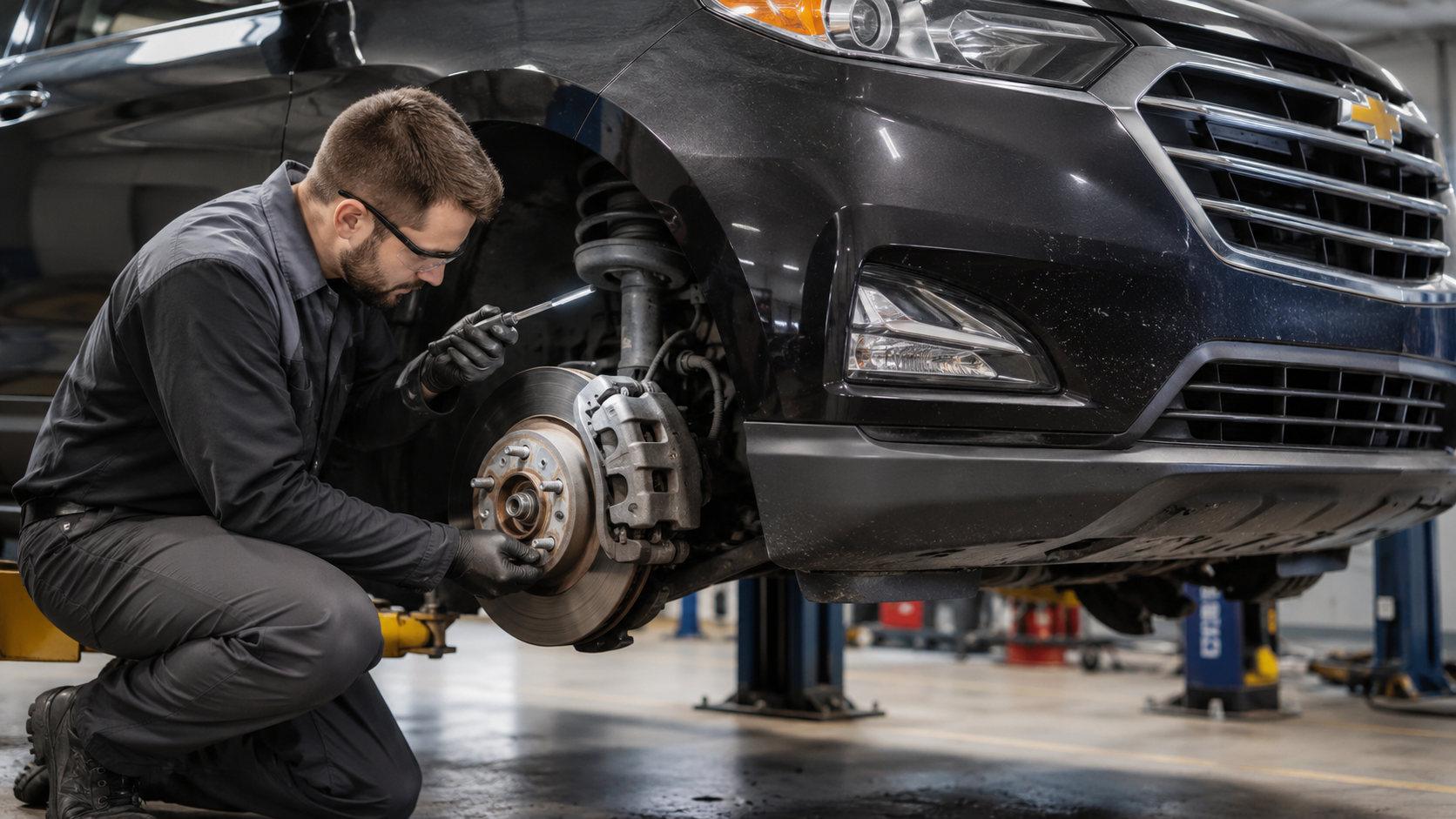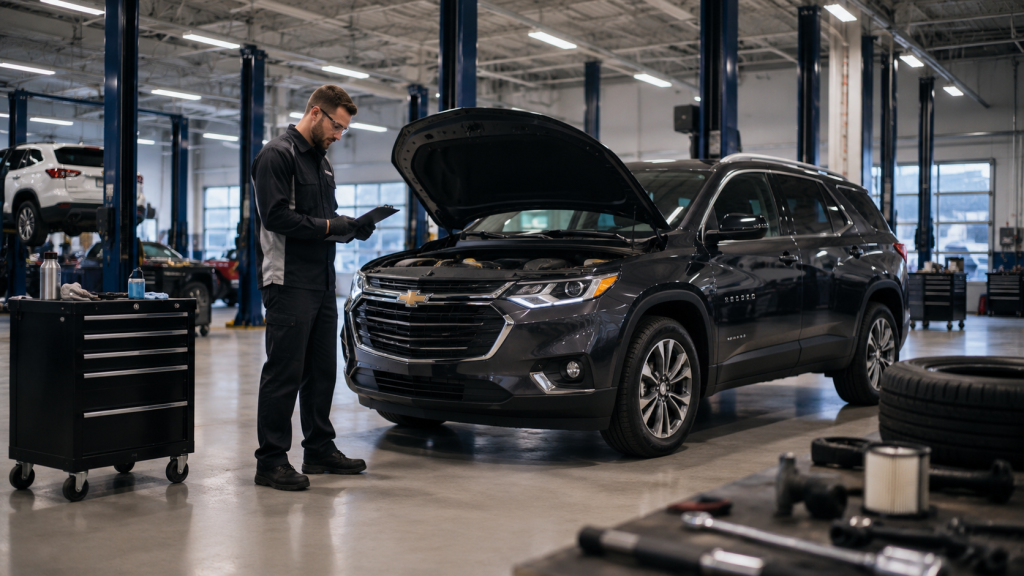





Chevy maintenance schedule checks take on added urgency before Louisiana hurricane season. Evacuation travel can place extra demands on your vehicle. Heavy rain can also expose weak tires, worn wipers, or a struggling battery. Therefore, preparing early gives you time to address problems before a storm approaches. Start with the parts that support starting, traction, visibility, braking, and longer travel.
Start Hurricane Season With a Vehicle Inspection
A pre storm inspection gives you a clearer picture of your Chevy before hurricane travel becomes necessary. Therefore, schedule the review before a named storm creates a rush for service.
Start with the maintenance items already due for your vehicle. Your Chevrolet Owner's Manual provides the model specific schedule. In addition, the vehicle may provide oil life or service reminders through its displays.
Routine maintenance is only one part of storm preparation. You also need to consider what a long evacuation trip may require. That can include extended driving, slow traffic, heavy rain, and repeated stops.
Before hurricane season becomes active, review these areas:
- Check whether oil service, tire rotation, or another scheduled maintenance item is due soon.
- Inspect the battery, tires, brakes, wipers, exterior lights, and fluid levels before longer travel.
- Address warning lights or new vehicle noises before relying on the Chevy for evacuation travel.
Furthermore, do not wait for a storm forecast to begin the process. Service departments can become busier as local preparation increases.
Ross Downing Chevrolet provides online access to schedule Chevrolet service. Scheduling early gives technicians more time to identify items that need attention.
Check the Battery and Tires Before Evacuation Travel
A battery can start your Chevy today and still test weaker than expected. Therefore, a battery review should include more than looking at the terminals.
A technician can inspect the battery case for cracks or leaks. They can also check the terminals for corrosion. In addition, battery testing can measure its current health.
Why does this matter before a hurricane? Evacuation travel may involve repeated starts and long periods in traffic. Your phone charger, lights, climate controls, and other electrical items may also stay active.
Tires deserve the same level of attention. The tread grooves move water away from the tire's contact area. Therefore, worn tread gives the tire less depth for moving water.
Chevrolet identifies 2/32 inch as the replacement threshold for tread depth. However, tread depth should not be the only check before storm season.
Review tire pressure when the tires are cold. Then look for uneven wear, cuts, bulges, or other visible damage. Additionally, inspect the spare tire if your Chevy carries one.
A tire review should answer three direct questions:
- Does each tire have enough tread for the upcoming travel?
- Is the cold tire pressure set to the Chevrolet specification for your vehicle?
- Are there wear patterns or damaged areas that need inspection before a long trip?
Furthermore, do not forget the tires simply because the Chevy drives normally on dry roads. Heavy rain places greater importance on tread and proper pressure.
Prepare Visibility, Brakes, and Fluids for Heavy Rain
Seeing the road clearly becomes critical during Louisiana rain. Therefore, inspect the wiper blades before storm season reaches its busiest period.
Replace blades that streak, skip, chatter, or leave sections of the windshield uncleared. Also check the washer fluid level. A working washer can clear road spray, dirt, and debris from the glass.
Exterior lights deserve a quick review too. Confirm that headlights, brake lights, turn signals, and hazard lights work. Heavy rain can reduce how clearly other drivers see your vehicle.
Brakes should also be part of the inspection. Listen for grinding, squealing, or other new sounds. Additionally, note any vibration or unusual pedal feel.
Fluid checks matter before longer travel. Review engine oil, coolant, brake fluid, and washer fluid according to Chevrolet service guidance. Address any visible leak before a long drive.
These checks work together during wet travel:
- Clear wipers and working lights support visibility during heavy rain.
- Properly serviced brakes support controlled stopping in slow or crowded traffic.
- Correct fluid levels help prepare the Chevy for longer hours on the road.
Still, maintenance cannot make flooded roads safe. Never drive into a roadway covered by floodwater. Turn around and use another route.
Build a Louisiana Hurricane Vehicle Kit
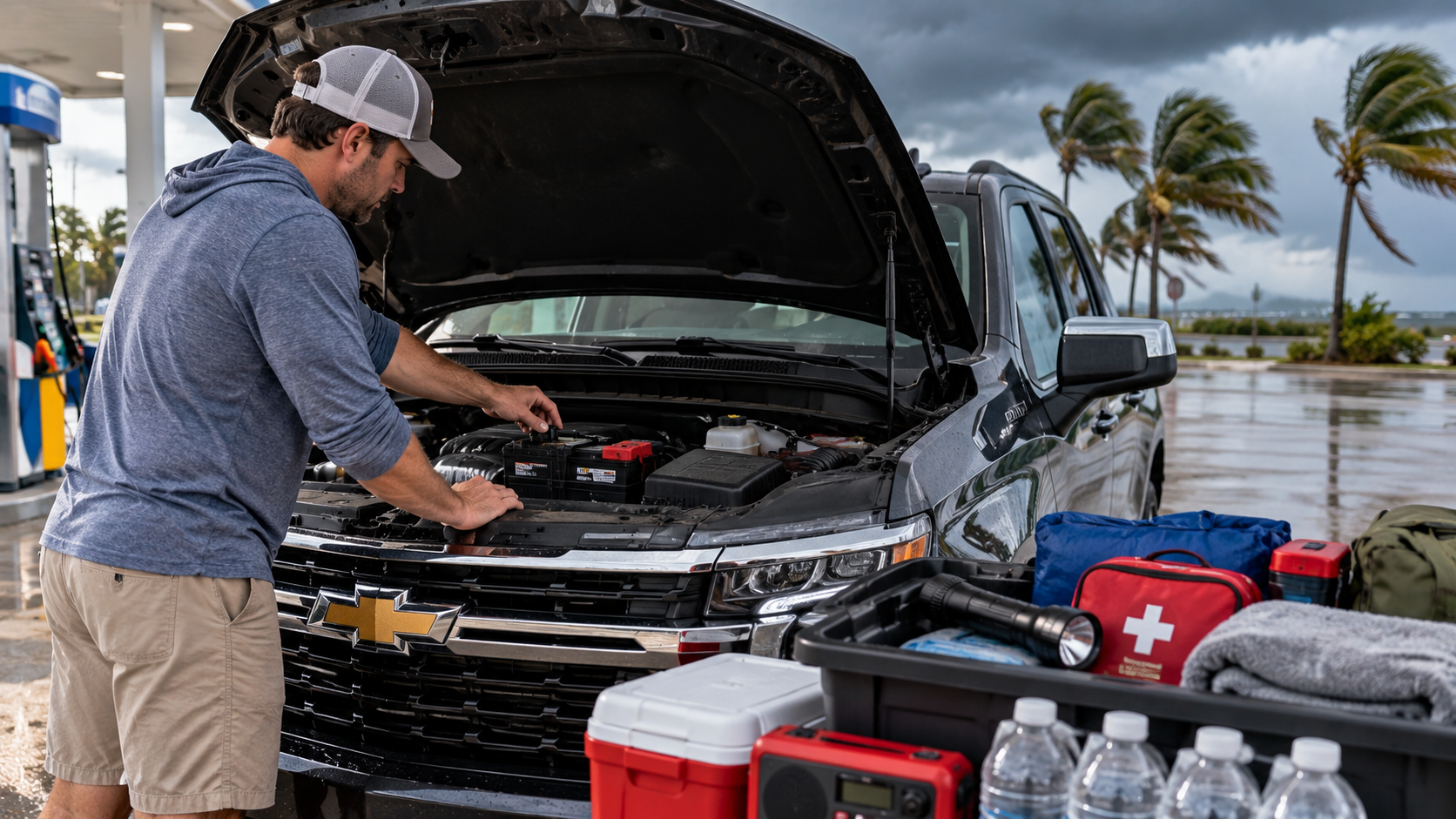
Your Chevy should also carry supplies that support you if travel slows or plans change. Louisiana emergency guidance includes water, food, lighting, first aid items, and personal documents.
Keep the kit easy to reach. A sealed container in the cargo area can keep supplies together. However, medication, identification, and phones should remain accessible.
A vehicle focused hurricane kit can include:
- Drinking water, shelf stable food, a flashlight, spare batteries, and basic first aid supplies.
- Needed medications, identification copies, a phone charger, rain gear, and basic hygiene items.
- A battery powered radio, simple tools, paper maps, and contact information for family members.
Furthermore, fill the fuel tank before a storm reaches the area. Fuel demand can rise quickly during evacuation periods. A fuller tank also gives you more flexibility if routes change.
Think about the people riding with you. Children, older adults, and pets may need additional supplies. Therefore, tailor the kit to the passengers who may travel in the vehicle.
You should also keep footwear and clothing suited for rain. Wet shoulders, roadside stops, and power outages can make simple clothing choices more important.
Schedule Service Before a Storm Creates Urgency
The strongest time for hurricane vehicle preparation is before the forecast becomes urgent. That gives you room to handle repairs without racing against a storm timeline.
When you schedule service, explain that you are preparing for hurricane season. Ask the technician to review the battery, tires, brakes, wipers, lights, and major fluid levels.
Additionally, mention any warning lights or recent changes you have noticed. Small clues can help a technician narrow the inspection.
You can use the Ross Downing Chevrolet service scheduler to request an appointment. The dealership also provides Chevrolet Certified Service for maintenance and repair needs.
If your tires need attention, ask the service team to review tread depth and pressure. If the battery tests weak, discuss replacement before evacuation travel becomes necessary.
You can also contact Ross Downing Chevrolet with service questions before scheduling. That can help you confirm what to bring or what inspection your Chevy may need.
A hurricane plan should include more than supplies stored at home. Your vehicle may become a key part of evacuation, family transport, and daily travel. Therefore, prepare it before the storm calendar becomes crowded. Check the battery, tires, visibility items, brakes, fluids, fuel, and emergency supplies early. Then keep your Chevy ready for the travel decisions that hurricane season may bring.