



Blog / Hammond Chevrolet Dealer

Blog

All Hammond Chevrolet Dealer Ross Downing Chevrolet Hammond Chevrolet Service

Chevrolet Colorado vs Silverado 1500: Which Truck Fits Your Driving Needs?

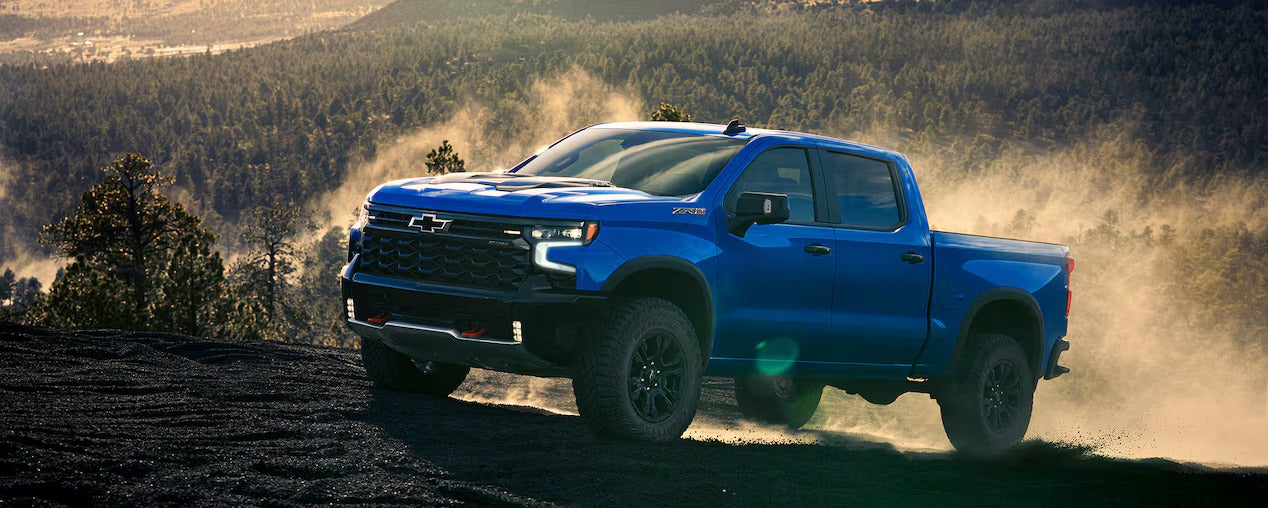
Choosing between the Chevrolet Colorado and the Chevrolet Silverado 1500 is less about which truck is better overall and more about which one is built for how you actually drive. While both wear the Chevy bowtie, they are engineered for very different use cases, and understanding those differences is critical to making the right long-term decision. This comparison breaks down how size, powertrains, capability systems, and real-world usability separate a midsize truck from a full size truck. Platform Size and Daily Usability The most immediate difference between the Colorado and Silverado 1500 is physical size. That size difference affects far more than appearance. The Colorado is built on a midsize truck platform designed for: Easier maneuverability in urban and suburban environments Reduced overall length and width for parking and tight roads Lighter curb weight contributing to easier daily driving Lower step-in height for frequent entry and exit The Silverado 1500 sits on a full size truck platform that prioritizes: Wider stance and longer wheelbase for stability under load Larger bed options for hauling oversized materials Increased interior room for front and rear passengers Greater compatibility with heavy duty work equipment Drivers who spend most of their time commuting, parking in lots, or navigating city streets often find the Colorado easier to live with day to day. Engine and Powertrain Differences Powertrain availability is one of the clearest separators between these two trucks. The Colorado focuses on efficiency balanced with usable torque. Its turbocharged engine options are designed to deliver strong low-end torque for towing smaller trailers, boats, and equipment without the size or fuel demands of a full size truck. The Silverado 1500 offers a broader engine lineup, including: Turbocharged four-cylinder options for lighter duty use Naturally aspirated V8 engines for traditional truck buyers Diesel engine options focused on torque and long-distance efficiency These options give the Silverado a wider capability ceiling, but they also increase complexity and ownership considerations. Towing and Payload Explained in Real Terms Many shoppers focus on maximum towing numbers, but real-world truck use depends on payload, hitch weight, and stability. Colorado towing considerations: Best suited for small to mid-size trailers Ideal for boats, campers, utility trailers, and recreational equipment Payload capacity supports tools and weekend hauling Easier trailer control due to lighter overall mass Silverado 1500 towing considerations: Higher maximum towing ratings across engine options Greater payload capacity for heavy materials and equipment More stable under sustained towing loads Better suited for frequent or commercial-level hauling If towing is occasional rather than constant, the Colorado often meets real needs without excess capacity that goes unused. Ride Comfort and Driving Behavior Ride quality differs significantly due to chassis tuning and suspension design. The Colorado is tuned for: Responsive steering feel Reduced body roll in daily driving Lighter steering effort at low speeds Easier control in traffic and parking scenarios The Silverado 1500 emphasizes: Stability under load Smoother ride when carrying weight Greater highway composure during long trips Reduced rear suspension squat when hauling Drivers should consider how often the truck will be empty versus loaded when evaluating ride comfort. Interior Space and Cab Functionality Interior design reflects each truck’s intended role. Colorado interiors prioritize: Efficient use of cabin space Front seat comfort for daily driving Modern infotainment systems Adequate rear seating for occasional passengers Silverado interiors provide: More rear legroom in crew cab configurations Greater shoulder and hip room Larger storage compartments Enhanced comfort for long-distance or multi-passenger travel Families or crews riding in the back seat regularly often lean toward the Silverado for space reasons alone. Ownership Costs and Practical Considerations Long-term ownership costs are another major decision factor. Colorado ownership benefits: Lower purchase price Typically lower fuel consumption Easier maintenance access Reduced tire and brake replacement costs Silverado ownership considerations: Higher upfront investment Increased fuel usage depending on engine choice Greater long-term capability value Strong resale demand in work-oriented markets Neither choice is wrong, but buying beyond actual needs often increases ownership cost without added benefit. How to Decide Which Chevy Truck Fits You The Colorado is best suited for drivers who: Use their truck as a daily driver Tow occasionally rather than constantly Value maneuverability and efficiency Want truck capability without full size bulk The Silverado 1500 is better aligned with drivers who: Tow or haul frequently Carry heavy payloads Need maximum versatility for work or recreation Want broader engine and configuration options Final Perspective for Truck Shoppers The Chevrolet Colorado and Silverado 1500 are both excellent trucks, but they are engineered for different priorities. The right choice comes down to how much truck you truly need, how often you will use its maximum capability, and how the vehicle fits into your daily life. Matching truck size to real-world use leads to better comfort, lower ownership costs, and higher long-term satisfaction.
2026 Chevrolet Traverse: Space, Comfort & Technology for Modern Families

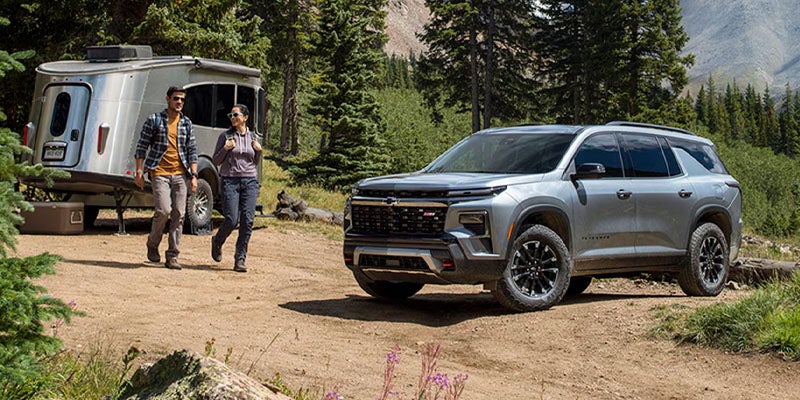
The 2026 Chevrolet Traverse is engineered around a simple but often overlooked reality of family vehicle ownership: interior space and system usability matter more than headline performance figures. For households managing passengers, car seats, cargo, and long daily drive cycles, the Traverse is designed to prioritize usable room, ride comfort, and technology that reduces friction rather than adding complexity. This model continues Chevrolet’s focus on real-world three row SUV functionality, offering one of the most spacious cabins in its segment while pairing it with safety and infotainment systems designed for clarity and reliability in daily use. Interior Architecture and Passenger Space The Traverse is built on a platform designed specifically to support three full rows of seating rather than adapting a smaller architecture. This distinction directly affects third row comfort, door access, and overall cabin proportions. Key interior characteristics that matter in real family use include: more Seating configurations that support up to eight passengers depending on trim A wide cabin footprint that allows adults to sit comfortably in the third row Flat floor geometry improving legroom and foot placement in rear seating positions Large door openings that simplify loading children, pets, and child safety seats Unlike many midsize three row competitors where the third row is limited to short trips, the Traverse is structured to support extended occupancy without compromising comfort. Cargo Capacity and Load Management Cargo flexibility is one of the Traverse’s defining strengths. Chevrolet designed the rear cargo area to support daily family logistics rather than occasional use only. Practical considerations for shoppers include: Usable cargo volume behind the third row for groceries, strollers, and sports equipment Fold-flat second and third row seats that create a long, continuous load floor Low rear load height that reduces strain when lifting heavier items Wide tailgate opening that accommodates bulky or irregular cargo This design allows families to transition between passenger and cargo needs without constant seat reconfiguration. Ride Comfort and Chassis Tuning Rather than pursuing aggressive handling characteristics, the Traverse suspension and chassis tuning prioritize stability and comfort across long drive cycles. The long wheelbase helps smooth highway expansion joints and uneven pavement while reducing body movement for rear passengers. Comfort-focused engineering benefits include: Suspension calibration designed to absorb road imperfections Reduced cabin noise through insulation and structural damping Seating ergonomics optimized for extended drive times Predictable steering behavior that reduces driver fatigue This approach supports long road trips, carpools, and daily commuting without sacrificing passenger comfort. Infotainment and Cabin Technology The 2026 Traverse incorporates Chevrolet’s latest infotainment architecture, focusing on responsiveness, screen clarity, and ease of use rather than layered menu complexity. Technology features families tend to value most include: A large central touchscreen with clear iconography and fast response Wireless smartphone integration for navigation and media Multiple USB charging ports distributed across all seating rows A configurable digital driver display that prioritizes essential information These systems are designed to reduce distraction and simplify interaction while driving, which is particularly important in family-focused vehicles. Driver Assistance and Safety Systems Safety systems in the Traverse are built around accident avoidance and situational awareness rather than reactive intervention alone. Chevrolet integrates multiple driver assistance technologies that work together to reduce risk in common driving scenarios. Frequently equipped safety systems include: Forward collision alert paired with automatic emergency braking Lane keep assist and lane departure warning Blind zone monitoring and rear cross traffic alert Available adaptive cruise control for highway driving Surround view camera systems to assist with parking and tight spaces These technologies support drivers in traffic, parking lots, and highway conditions where family vehicles are most frequently used. Trim Strategy and Buyer Evaluation Traverse trims are structured to allow buyers to prioritize comfort, appearance, or technology without changing the underlying space and platform advantages. When comparing trims, shoppers should evaluate: Seating material durability for children and pets Availability of advanced safety and camera systems Interior wear resistance and color options Technology features that align with daily driving needs Because the core architecture remains consistent across trims, buyers are choosing feature emphasis rather than sacrificing interior usability. Long Term Ownership Considerations Family SUVs are often kept longer than performance-oriented vehicles, making durability and serviceability important decision factors. The Traverse emphasizes proven mechanical systems and service accessibility. Ownership considerations include: Engine design focused on longevity rather than peak output Straightforward maintenance access for routine service A broad Chevrolet service network for long-term support Predictable fuel economy aligned with three row SUV expectations This design philosophy supports stable ownership costs and long-term reliability. What Family Shoppers Should Take Away The 2026 Chevrolet Traverse succeeds by focusing on fundamentals that matter most to families. Interior space, seating comfort, cargo flexibility, safety integration, and technology usability are prioritized over unnecessary complexity or styling-driven compromises. For shoppers comparing three row SUVs, the Traverse is best suited to those who value room, clarity, and long-term livability as part of everyday family transportation.

Gonzales SUV Shopping Breakdown Space Technology and Budget Friendly Chevy Options

SUV shoppers in Gonzales are increasingly comparing vehicles across size categories rather than committing to a single model early in the process. Chevrolet’s SUV lineup spans compact, midsize, and full size platforms, each engineered for different ownership priorities. Understanding how space, technology, and cost scale across these models makes choosing the right SUV far easier. Platform Differences and Why They Matter Chevy SUVs are built on two primary platform types, and this distinction affects ride quality, interior space, and cost. Unibody SUVs prioritize: Lower vehicle weight Better fuel efficiency Easier daily driving More efficient interior packaging Body on frame SUVs emphasize: Higher towing capacity Structural durability under heavy load Larger exterior dimensions Increased long term hauling capability Shoppers who are not towing regularly often benefit more from unibody designs, even when space is a priority. Interior Space Across Chevy SUV Segments Interior space should be evaluated by usability, not just measurements. Compact and subcompact SUVs focus on: Efficient passenger layout Easier parking and maneuverability Lower ownership cost Midsize SUVs deliver: True three row seating Flexible cargo configurations Better balance of size and comfort Full size SUVs provide: Maximum passenger and cargo volume Higher seating position Greater weight carrying capacity For many families, midsize SUVs deliver the best balance of space without the operating cost of full size models. Technology That Impacts Everyday Use Technology differences between Chevy SUVs are not cosmetic. They directly affect daily convenience and long term satisfaction. Key systems shoppers evaluate include: Infotainment responsiveness and screen size Smartphone integration consistency Surround vision and parking assistance Driver assistance features that reduce fatigue Chevy SUVs are designed so technology scales by trim level, allowing buyers to prioritize features without stepping into a larger vehicle than necessary. Safety and Driver Assistance as Value Drivers Modern SUV shoppers increasingly factor safety technology into value calculations. Important considerations include: Standard versus optional safety systems Ease of use rather than system quantity Visibility and camera clarity Consistency across trims Chevy SUVs emphasize intuitive safety systems that support daily driving rather than overwhelming the driver. Budget Focused Ownership Considerations Budget friendly SUV shopping goes beyond purchase price. Factors influencing long term cost include: Fuel efficiency tied to vehicle weight Tire and brake wear based on platform size Insurance differences across segments Maintenance access and complexity Smaller SUVs often deliver meaningful savings over time, even if initial pricing differences appear modest. Avoiding Overbuying Capability One of the most common SUV shopping mistakes is buying more vehicle than needed. Questions shoppers should evaluate: How often is the third row used Is towing a real requirement or occasional Does cargo need depth or height Is daily driving or long distance travel the priority Chevy’s SUV lineup allows buyers to match capability to actual use rather than future hypotheticals. Making a Confident SUV Comparison Comparing Chevy SUVs works best when shoppers align platform, space needs, and technology priorities first. Price differences often reflect real engineering and system changes rather than branding. Understanding how each SUV is designed to function in real world use leads to better long term satisfaction and avoids unnecessary ownership cost.

How Gonzales Truck Shoppers Compare Chevy Prices, Features and Local Offers

Truck shoppers in Gonzales are no longer comparing vehicles based solely on sticker price. Most buyers are evaluating how configuration, capability, and long term ownership value stack up across competing trucks. Understanding how Chevrolet truck pricing works helps clarify why prices vary and which features actually justify the cost. What Really Drives Chevy Truck Pricing Chevy truck prices are shaped by far more than model name alone. Two trucks that look similar on the lot can be engineered very differently underneath. Primary pricing drivers include: Powertrain selection including engine output and drivetrain layout Cab size and bed length affecting manufacturing cost Suspension and axle configuration tied to capability Technology packages influencing interior and safety systems A four wheel drive crew cab with advanced trailering systems costs more to build than a two wheel drive extended cab work truck, regardless of exterior appearance. Trim Levels and Feature Value Breakdown Chevrolet trucks are structured so buyers can align cost with actual use. Pricing differences between trims reflect real hardware and system upgrades. Lower trims focus on: Durability and payload balance Simplified interior systems Cost efficient ownership Mid level trims add: Enhanced infotainment and connectivity Improved seating materials and comfort features Additional safety and driver assistance systems Higher trims justify pricing through: Advanced trailering technology Off road suspension components Interior refinement and noise control Specialized drivetrain options Comparing trims by equipment rather than appearance prevents paying for features that may never be used. Midsize vs Full Size Price Comparison Many shoppers cross shop midsize and full size Chevy trucks based on budget rather than size preference. Midsize trucks often provide: Lower entry pricing Reduced fuel and maintenance costs Easier daily driving and parking Full size trucks offer: Higher towing and payload ratings Greater interior width Expanded bed options For buyers who do not need maximum towing, midsize trucks often deliver better value relative to real usage. New Versus Used Pricing Considerations Used truck pricing depends heavily on condition, mileage, and configuration. A lightly used high trim truck may cost more than a new lower trim model due to demand for specific features. Key evaluation points include: Remaining factory warranty coverage Drivetrain wear based on prior use Technology relevance compared to newer models Maintenance history New trucks provide predictable ownership costs while used trucks can offer upfront savings depending on market conditions. Why Local Pricing Varies Local truck pricing reflects inventory movement, regional demand, and model availability. Trucks configured for towing or off road use may command higher pricing in regions where those features are in demand. Factors influencing local offers include: Inventory age and supply levels Seasonal buying patterns Configuration popularity in the area Manufacturer incentives tied to production cycles This is why pricing comparisons should always consider vehicle configuration rather than assuming uniform cost. Feature Comparison Versus Brand Comparison Many buyers compare Chevy trucks to competitors expecting large price gaps. In reality, similarly equipped trucks across brands often fall within a narrow pricing range. What separates value is: Ease of use of trailering systems Cabin ergonomics and visibility Power delivery behavior under load Long term maintenance expectations These factors affect ownership satisfaction more than small price differences. Making a Confident Comparison The most effective way to compare Chevy truck pricing is to match capability first, then evaluate cost. Trucks built for different purposes should not be compared solely on price. Understanding how trims, drivetrains, and real world use influence cost allows shoppers to choose a truck that fits both budget and expectations without overbuying or compromising capability.

Chevy Traverse vs Tahoe Space, Comfort and Family Features Compared

Choosing between the Chevrolet Traverse and Chevrolet Tahoe is less about which SUV is bigger and more about how each one is engineered to support daily family life. While both offer three rows and strong interior flexibility, they are built on very different platforms that directly affect space usage, ride quality, and long term ownership experience. Platform Design and Why It Matters The Traverse and Tahoe are designed around fundamentally different vehicle architectures. The Traverse uses a unibody platform, meaning the body and frame are integrated into a single structure. This allows: Lower floor height for easier entry and exit More efficient interior packaging Reduced vehicle weight Smoother ride quality on pavement The Tahoe uses a body on frame platform similar to full size trucks. This design supports: Higher towing capacity Greater structural durability under heavy load Increased ground clearance Larger exterior footprint For families who are not towing heavy trailers, the unibody design of the Traverse often results in more usable passenger space despite the Tahoe’s larger exterior dimensions. Interior Space and Seating Practicality Interior measurements tell only part of the story. How space is shaped and accessed matters more for real family use. Traverse interior advantages include: Wider third row seating with easier legroom access Lower step in height for children and older passengers Flatter load floor when seats are folded Easier third row access from second row walk through Tahoe interior strengths include: Higher seating position for improved road visibility More shoulder room across all rows Larger maximum cargo volume with seats folded Greater weight carrying capability For families regularly using the third row, the Traverse typically feels more accommodating day to day, especially during school drop offs and long trips. Cargo Space Behind the Third Row One of the most misunderstood comparisons involves cargo space. The Traverse offers a longer cargo area behind the third row due to its stretched wheelbase and unibody layout. This makes it easier to fit strollers, sports gear, and groceries without folding seats. The Tahoe provides more overall cargo volume when seats are folded but often less usable depth behind an upright third row. This distinction matters for families carrying passengers and cargo at the same time. Ride Comfort and Noise Control Ride quality differences stem directly from platform design. Traverse ride characteristics: More car like handling Less body movement over uneven pavement Quieter cabin during highway cruising Better suited for urban and suburban driving Tahoe ride characteristics: Firmer suspension under light load Improved stability when fully loaded or towing More noticeable road feedback on rough surfaces Families focused on comfort and long distance travel often find the Traverse easier to live with daily. Powertrain and Fuel Efficiency Considerations Both SUVs use V6 based powertrains, but vehicle weight significantly impacts efficiency. Traverse benefits: Lower overall vehicle weight Better fuel efficiency in city and highway driving Reduced braking and tire wear Tahoe advantages: Higher torque output for towing Better thermal management under sustained load Engineered for durability with heavy use For families not towing regularly, the Traverse offers a more balanced efficiency profile. Safety and Family Focused Features Both models include advanced safety technology, but the Traverse emphasizes family oriented usability. Key family friendly features include: Rear seat reminder systems Surround vision camera availability Multiple USB ports across all rows Easy latch access for child seats Tahoe safety systems excel when managing mass and momentum, particularly under load or in adverse conditions. Ownership Costs and Long Term Considerations Traverse ownership tends to be more economical over time due to: Lower purchase price Reduced fuel consumption Lower maintenance and tire replacement costs Tahoe ownership is best suited for families who need towing capability, frequent hauling, or rugged durability over long distances. Final Comparison Perspective The Chevrolet Traverse is engineered as a family first SUV with efficient space usage, everyday comfort, and easier daily operation. The Chevrolet Tahoe is built for families who need maximum capability, towing strength, and long term load support. Choosing between them comes down to how your family actually uses space, not which SUV appears larger on paper.

Chevrolet Colorado Towing, Off Road Features and Everyday Performance Guide

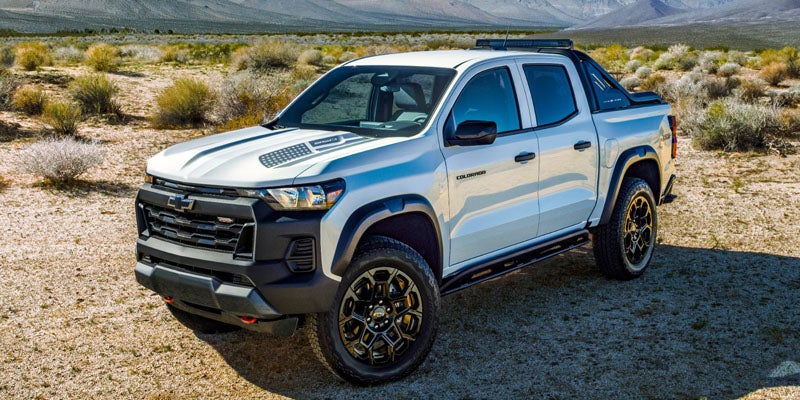
The Chevrolet Colorado is built for drivers who need real truck capability without the size and operating cost of a full size pickup. For many shoppers, the decision comes down to three questions. How much can it tow, how capable is it off road, and does it work as an everyday vehicle. Understanding how the Colorado is engineered answers all three. Colorado Powertrain and Why Torque Matters for Towing Modern Colorado performance is centered around turbocharged torque rather than high RPM horsepower. This matters because towing stresses an engine differently than unloaded driving. Key mechanical considerations include: Turbocharged engines deliver peak torque at lower engine speeds, reducing strain when pulling weight Lower RPM torque improves launch from a stop, especially on ramps or uneven ground Cooling systems are designed to manage sustained load, not short bursts Depending on configuration, the Colorado can tow up to approximately 7700 pounds when properly equipped. That capacity is not just about engine output. It is the result of: Frame strength designed for vertical and horizontal load Rear axle ratios optimized for pulling weight Integrated transmission cooling to prevent heat buildup Trailer sway control working through stability systems For campers, small equipment trailers, and boats, this towing range fits the real needs of most midsize truck buyers. Trailering Technology That Supports Real World Use Towing safely is not just about raw numbers. The Colorado includes systems that actively manage trailer behavior while driving. These systems include: Integrated trailer brake controller support Automatic trailer sway mitigation using selective braking Hitch guidance through camera systems on equipped trims Tow haul mode adjusting shift points and engine braking Together, these systems reduce driver fatigue and increase control, especially in crosswinds or stop and go traffic. Off Road Capability Explained by Trim and Hardware Not all Colorado trims are built for the same terrain. Off road performance comes from suspension geometry, drivetrain control, and traction management, not cosmetic packages. Z71 Off Road Focus The Z71 trim balances trail capability with daily comfort. Mechanical highlights include: Off road tuned suspension for improved articulation Automatic locking rear differential for low traction conditions Skid plates protecting critical underbody components Selectable drive modes adjusting throttle and traction response This setup works well for dirt roads, sand, light mud, and uneven job sites while maintaining stable highway manners. ZR2 High Capability Off Road Engineering The ZR2 is engineered specifically for aggressive terrain. Key differences include: Multimatic DSSV dampers designed for high speed off road control Front and rear locking differentials for maximum traction Increased ground clearance and wider track width Dedicated off road drive modes tuned for rock crawling and desert terrain These components allow controlled wheel movement and traction where standard trucks would lose grip or bottom out. Everyday Driving Comfort and Practicality One of the most common Colorado questions is whether it works as a daily driver. The answer depends on how it is used. Daily friendly advantages include: Easier parking and maneuverability compared to full size trucks More composed ride quality due to shorter wheelbase Better fuel efficiency relative to larger pickups Comfortable seating position without excessive ride height Interior design focuses on durability with practical layout, especially in crew cab configurations where rear seat space supports family or work use. Trim Selection Based on Real Use Cases Understanding trim differences helps buyers avoid paying for features they do not need or missing ones they do. Work focused trims prioritize durability, payload balance, and cost efficiency Z71 adds comfort and light off road capability without sacrificing daily drivability ZR2 is purpose built for demanding off road conditions and trail use Choosing the right trim depends on how often towing or off road driving occurs, not just how it looks. Colorado Versus Full Size Truck Considerations Many shoppers compare the Colorado to full size trucks like the Silverado. The tradeoff is straightforward. Colorado advantages: Easier daily operation Lower purchase and ownership cost Sufficient towing for most recreational needs Full size truck advantages: Higher maximum towing and payload Larger bed options Greater interior space for heavy duty work For drivers towing under eight thousand pounds and prioritizing versatility, the Colorado fits a wide middle ground. Long Term Ownership Expectations Colorado reliability is supported by proven drivetrain design, simplified turbo architecture, and modern stability systems that reduce mechanical stress during towing and off road use. Key ownership considerations include: Proper maintenance of cooling and drivetrain components when towing regularly Using correct trailering equipment and weight distribution Selecting trim level that matches actual driving conditions When used within its design parameters, the Colorado offers long term durability without the operating burden of a larger truck. Final Perspective The Chevrolet Colorado succeeds because it is engineered around how midsize truck owners actually drive. It delivers meaningful towing capacity, legitimate off road capability, and daily usability without excess size or complexity. Understanding how its systems work makes choosing the right configuration far easier and ensures the truck performs as intended in real world use.

equinox

5 Bold Features of the 2025 Chevy Equinox

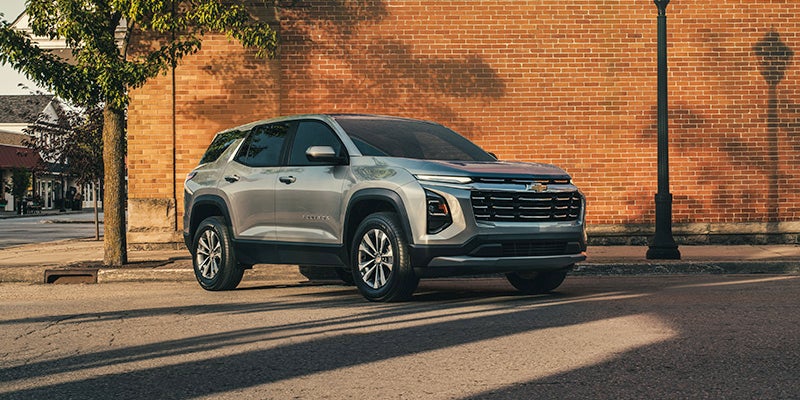
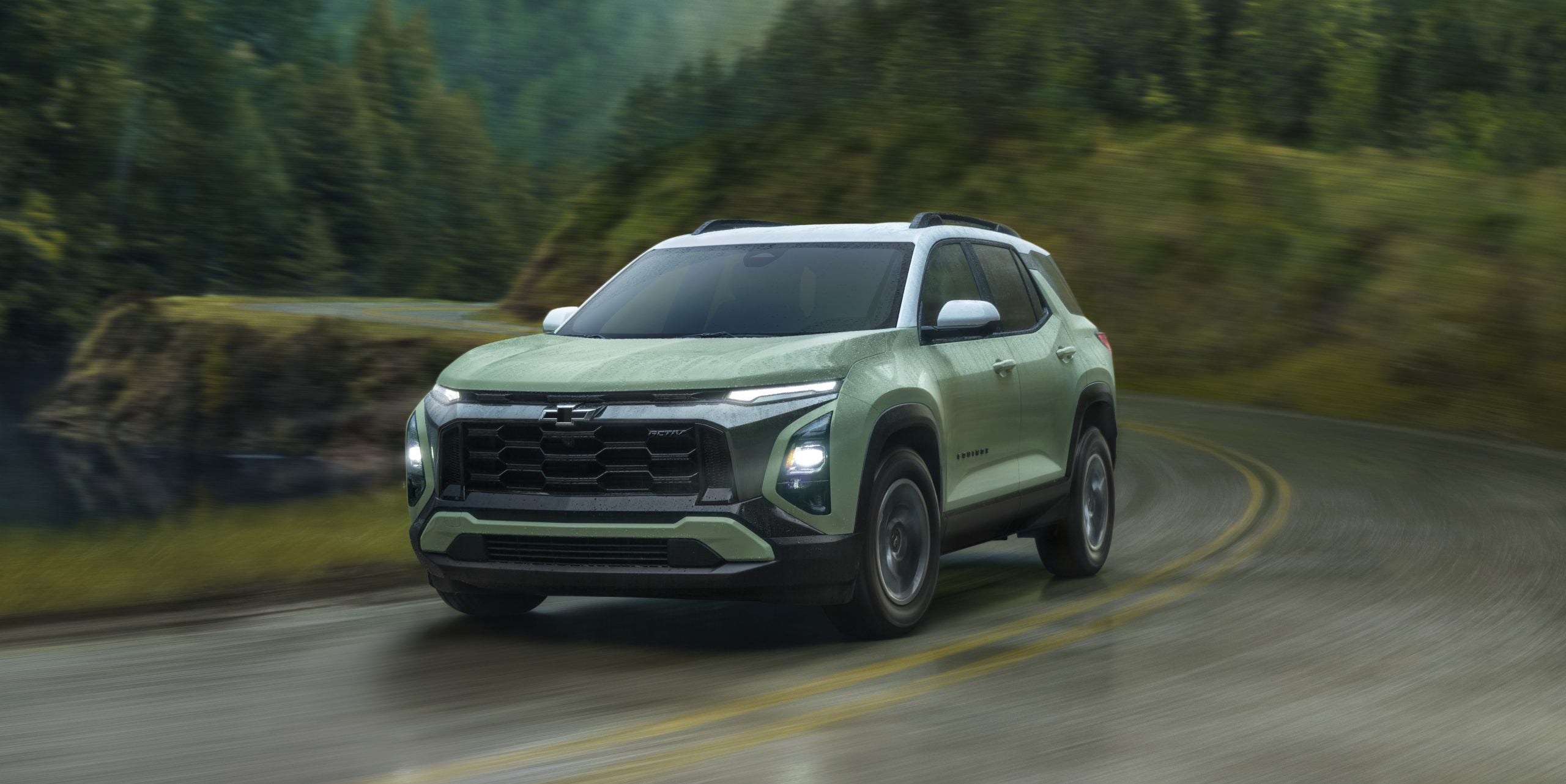
If you want a stylish, tech-savvy vehicle that stands out in every way, the 2025 Chevy Equinox should be at the top of your list. Let's explore some of its standout features to see if it's right for you. more Eye-Catching Exterior Design With its bold grille, crisp LED lighting, and athletic proportions, the Equinox is a compact SUV that commands attention on Hammond roads. It's available in eye-catching colors such as Cacti Green, Radiant Red Tintcoat, and Lakeshore Blue Metallic, and an available two-tone roof in Mosaic Black or Summit White adds flair. From sporty black accents on the RS to rugged touches on the ACTIV, every trim brings its own distinctive styling cues. Flexible Interior Space Whether you're heading to work or taking a weekend road trip, the Equinox gives you the space and versatility you need. It seats five and provides generous legroom for everyone: 40.9 inches in the first row and 39.9 inches in the second. With its 29.8 cubic feet of capacity and a hidden storage space beneath the cargo floor, the well-designed cargo area is ready for both everyday life and once-in-a-lifetime adventures. Need more space? Fold down the rear seats to access up to 63.5 cubic feet. Available cargo accessories help keep the area organized, and the available AutoSense power liftgate makes loading a breeze. Impressive Performance and Efficiency The Equinox's 1.5L turbocharged engine and continuous variable transmission (CVT) combine to give you the energetic acceleration, smooth shifting, and efficient performance you need, whether you're in stop-and-go traffic or cruising down the highway. With an estimated 26 mpg in the city and 28 mpg on the highway, the Equinox also saves you time and money at the pump. For more traction on changing roads, opt for the available all-wheel drive. The ACTIV trim adds even more control with a drive mode selector that allows you to tailor vehicle performance to your driving conditions. User-Friendly Tech The Equinox features an 11-inch color driver information center and an 11.3-inch infotainment touchscreen to keep you informed and entertained. Google built-in provides a familiar, intuitive interface with easy access to Google Maps, Google Assistant, and Google Play. Wireless Apple CarPlay and Android Auto, along with natural voice recognition, put your messages, calls, and music just a voice command away. Wi-Fi hotspot capability and available wireless charging enhance connectivity. Confidence-Boosting Driver Assistance Bold style deserves bold protection, and Chevy loaded the Equinox with driver-assistance features. Standard Chevy Safety Assist includes features like automatic emergency braking, forward collision alert, and lane keep assist with lane departure warning. In addition, rear park assist and available HD Surround Vision help with tight Louisiana parking lots. With its bold style, versatile space, and advanced tech, the Equinox is ideal for your busy lifestyle. Stop by Ross Downing Chevrolet in Hammond, LA to try it for yourself.

2025 Chevy Blazer

4 Key Highlights of the 2025 Chevy Blazer

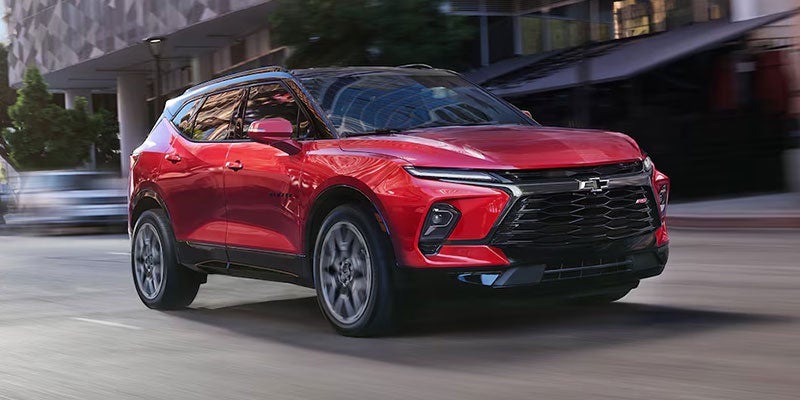
The new 2025 Chevy Blazer gives you seating for five, dozens of practical features, and more. See what makes the Blazer such an enjoyable ride below, and how to experience it for yourself by scheduling a test drive at our Chevy dealership. more 4 Features that Highlight the Quality of the 2025 Chevy Blazer 1. 2.0L Turbo 4-Cylinder Engine The Chevy Blazer leads with a high-powered 2.0L turbo 4-cylinder engine with stop/start, spark ignition direct fuel injection, and variable valve timing. This is controlled by a nine-speed automatic transmission to give you a total of 228 horses at 5,000 RPM and up to 258 lb-ft. of torque at 1,500 to 4,000 RPMs. 2. Sophisticated Safety Features The 2025 Blazer is thoughtfully designed with modern safety features, such as: HD rear vision camera Forward collision alert Lane keep assist with lane departure warning Following distance indicator Automatic emergency braking Front pedestrian braking Additionally, the Blazer's StabiliTrak electronic stability control system helps improve vehicle handling and maneuverability in emergency situations. This uses smart sensors to detect wheel slippage and helps keep you on your intended path. Available driver assistance features include rear park assistance, a lane change alert with a side blind zone alert, and a rear cross-traffic alert. 3. Customizable Drive Modes You can customize your ride every time you drive the Blazer with the standard Drive Mode Selector. You can choose between Tour mode, Sport mode, Snow/Ice mode, Tow/Haul mode, and Off-Road mode. Tour mode is best for daily driving and gives you a good blend between fuel efficiency and driving experience. Sport mode tightens the car's steering response and engages the hydraulic dampers to create a zippy, sports-car-like drive. Snow/Ice mode is ideal for providing increased traction on slick roads, while Tow/Haul mode keeps the vehicle in a lower gear for better torque and stable towing. Off-Road mode also gives you more traction but is better suited to mud, gravel, and other challenging terrains. 4. Chevrolet Infotainment 3 Plus System Inside the Blazer, you can immediately spot the 10.2 HD color touchscreen in the center console, which houses the Chevrolet Infotainment 3 Plus system. This multi-touch display comes equipped with Bluetooth audio streaming, wireless Apple CarPlay, and wireless Android Auto compatibility. You can also keep your devices charged with the included USB-A and USB-C ports located on the back side of the center console so both front and rear passengers can reach them. Get behind the wheel of the new Blazer today by scheduling a test drive. Contact us at Ross Downing Chevrolet in Hammond, LA, or come to our dealership location at 600 S Morrison Blvd. to browse our inventory of affordable new and pre-owned vehicles.

Transmission Repair at Ross Downing Chevrolet

3 Reasons to Get Your Chevy’s Transmission Inspected at the Dealership

Most transmission problems can be quickly and inexpensively repaired if they're identified when they start. The longer a problem persists, the greater the chance your transmission could be seriously damaged. As your Chevy dealership, we want you to know some signs you need to visit us for a transmission check. more 3 Signs You Need a Transmission Check at Your Chevy Dealership Delayed Shifting The transmission control unit shifts the gears in response to changes in your speed. These movements are smooth and barely noticeable when your transmission is working correctly. Delayed shifting is an obvious gap between the original gear disengaging and the new gear engaging. Your engine will rev higher than it should, and you may feel a jolt, and engine power will drop. This issue can be caused by old or dirty transmission fluid, which provides the hydraulic power that enables the gears to shift. It might also be due to damaged solenoids, which smooth the transition between gears, or a problem with the torque converter, which transfers energy from the engine to the transmission. We'll investigate and fix the problem. Gears Won't Shift The engine produces energy, and the transmission directs this energy to the wheels, so they move at the required speed. If the gears refuse to shift, your engine continues to run and produce energy, but this energy can't reach the wheels, so your Chevy won't move. This problem could be due to low transmission fluid, worn clutch packs, or damaged shift solenoids. As we saw above, transmission fluid allows the gears to change, and a lack of fluid prevents the gears from moving. Shift solenoids control the flow of transmission fluid to the gears, and if they're damaged, the fluid won't reach the gears. Clutch packs engage and disengage as gears to select the correct gear, and any damage prevents them from working correctly. Our technicians will find and repair the problem. Strange Noises Any noises from the transmission are always a sign that something is wrong, as a smoothly working Chevy transmission is silent. Most transmission issues develop over time, and if something goes wrong, you might not hear it as any noises are almost inaudible. As time passes, the sounds will become louder as a warning that your transmission is in trouble. Humming or buzzing sounds are usually a sign of low transmission fluid. Transmission fluid isn't consumed as it works, so a lack of fluid means there's a leak. As the fluid level drops, transmission components will suffer increased wear and tear, and gear shifting will become difficult. We'll trace any leak and repair it, then refill the fluid, and the transmission will work quietly again. If you have a transmission problem, contact us at Ross Downing Chevrolet in Hammond, LA

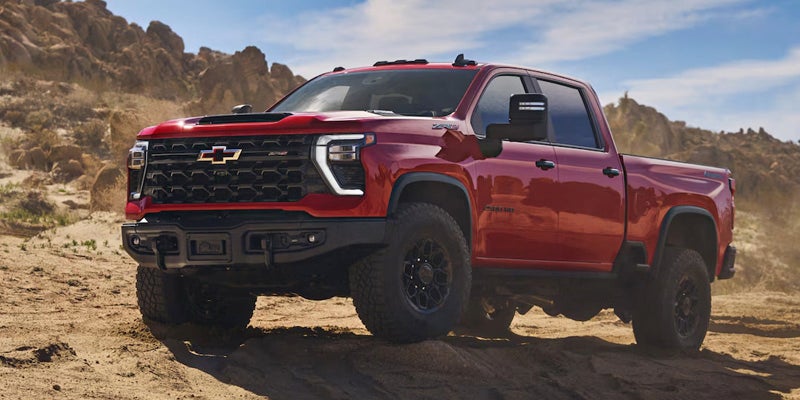
A 2025 Chevrolet Silverado HD driving through a vast desert landscape under a clear blue sky.

Getting to Know the 2025 Chevy Silverado 3500 HD Trim Levels: Heavy-Duty Excellence

The Silverado line of full-size trucks is known for rugged dependability and heavy-duty power, and the 2025 Chevy Silverado 3500 HD is Chevy's flagship one-ton pickup. With two powertrain options, high-end capability, and a robust lineup of premium features across four trim levels, there's a 3500 HD for every need. more Powertrains Available for All Trims All Silverado 3500 HD trim levels have the standard gasoline-powered 6.6-liter V8 that produces 401 horsepower and 464 foot-pounds of torque. There's also a diesel powertrain available in all trim levels. The optional 6.6-liter Duramax turbo diesel delivers 470 horsepower and 975 foot-pounds of torque. Both the gasoline-powered and diesel engines are teamed with an Allison 10-speed electronically controlled automatic transmission with overdrive. WT The WT is the base trim in the Silverado 3500 HD lineup, and it provides the features needed to tackle tough tasks. It has a black bumper CornerStep rear bumper, cargo tie-downs, a side bed step, 18-inch steel painted wheels, cab-mounted cargo area lamps, a locking tailgate, outside vertical trailering mirrors, a trailering package, halogen headlamps, hitch guidance, remote keyless entry, a 6-speaker audio system, and a manual tilt steering column. LT The LT offers a step up from the base trim WT, beginning with a standard 4WD drivetrain. It features chrome bumpers and exterior trim elements, IntelliBeam headlamps, deep-tinted glass, a tailgate with EZ Lift Assist and power locking, steering wheel-mounted controls, a wrapped steering wheel, a 12.3-inch color driver information center, keyless open and start, a 120-volt box-mounted outlet, and a 13.4-inch Chevrolet Premium Infotainment System. LTZ The next trim up, the LTZ, offers enhanced amenities that improve the driving experience. It includes features such as Rainsense automatic wipers, 18-inch machined 6-spoke aluminum wheels, LED taillamps, LED fog lamps, animated LED projector headlamps, rear wheelhouse liners, perforated leather seat trim, a manual tilt and telescoping steering column, remote start, an up-level rear seat with storage, and a 10-way power driver seat with power lumbar. High Country The High Country trim level stands for the top of the Silverado 3500 HD lineup, with a full range of luxury features and heavy-duty capabilities. Its standard features include a Chevytec spray-on bedliner, a power up-and-down tailgate, 6-inch rectangular chrome assist steps, a power sliding rear window, 20-inch 8-spoke polished wheels, cargo bed LED lighting, perforated leather seating surfaces, wireless charging, and a Bose Premium 7-speaker sound system. The Silverado 3500 HD line of one-ton trucks offers drivers hard-working capability, heavy-duty powertrains, and a wide range of features that allow it to tackle any task. Visit Ross Downing Chevrolet in Hammond, LA, today to see the full line of Silverado 3500 HD trims and schedule a test drive.

2025 Chevy Silverado 2500 HD

3 Tough Highlights of the 2025 Chevy Silverado 2500 HD

Recognized as America's most dependable heavy-duty pickup by J.D. Power, the 2025 Chevy Silverado 2500 HD is a powerful vehicle for off-road and highway driving as well as hauling heavy loads. Check out the Features of the 2025 Chevy Silverado 2500 HD 1. Packed with Power The Silverado 2500 HD comes fitted with a 6.6L gas engine as standard and is capable of 401 horsepower at 5200 rpm, with an engine torque of 464 lb-ft at 4000 rpm. This gives your new Chevy plenty of pulling power. The 10-speed automatic transmission helps to keep the truck in its optimal power band, leading to better performance and fuel efficiency, particularly when towing. more For more power and pulling capacity, your Silverado 2500 HD can be upgraded to a 6.6L Duramax Turbo-Diesel V8 engine, which beats its gas counterpart in almost every category. It can achieve up to 470 horsepower at 2800 rpm and has an incredibly powerful maximum engine torque of 975 lb-ft at 1600 rpm. This low rev point means your truck can apply maximum pulling force almost immediately from a standing start, making towing much easier to manage. 2. Strong and Stable The Silverado 2500 HD comes with StabiliTrak as standard. This proprietary electronic stability control system provides crucial assistance to the driver, particularly in emergencies. Sensors in the truck can identify when your vehicle is veering away from its intended path and can help you correct that accordingly by adjusting the engine torque and the brakes as needed. The system includes traction control, which recognizes wheel slippage; brake assist, which identifies emergency braking; and trailer sway control, which can detect if your trailer is moving off-kilter from the rest of the truck. It also includes hill start assistance, adjusting the torque for maximum pull when required to pull off from an incline. 3. Eyes on the Prize When driving such a powerful machine as the Silverado 2500 HD, you must have sight of obstacles and other road users, particularly when maneuvering with a heavy trailer in tow. The Silverado comes fitted with 8 exterior and interior cameras, providing 14 different views in and around the vehicle that can be displayed on your dashboard touchscreen. As well as the popular front, rear, and side views, this camera setup includes a view directly into the bed of your truck, a view of the hitch, views behind and inside your trailer, and a picture-in-picture side view to assist with identifying vehicles approaching in your blind spot. Best of all, if you have a compatible trailer, you can use the transparent trailer view to see the road behind as clearly as if you weren't towing anything. If you want a pickup as tough as the Chevy Silverado 2500 HD, we can help. Contact Ross Downing Chevrolet in Hammond, LA today to arrange a test drive. Our friendly team will be there to answer your questions.

2025 Corvette Z06

Discover the 2025 Corvette Z06 Trim Levels: Track-Focused Power

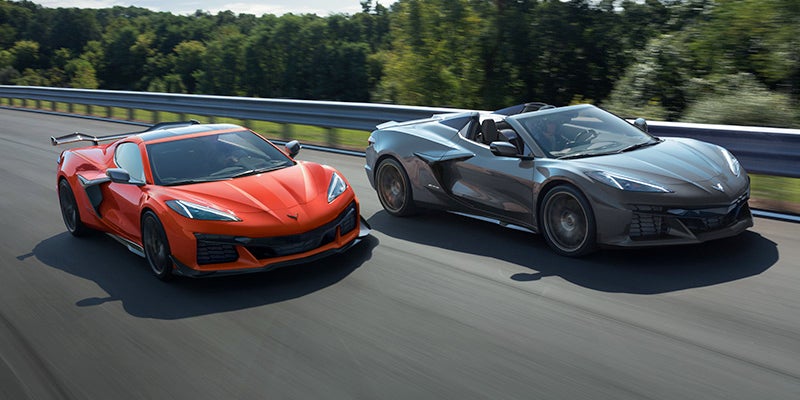
The Corvette is one of the most storied icons of the American auto industry, with a long tradition of style, power, and performance. The 2025 Corvette Z06 continues that legacy of excellence by offering track-focused power, peak performance, and modern amenities across its three distinct trim levels. more Explore 2025 Corvette Z06 Trim Levels at Ross Downing Chevrolet Shared Powertrain Across All Trims Though each trim level offers distinguishing features, all Z06 trims share the same mighty powertrain. Under the Corvette's hood is a 5.5-liter V8 DI high-output engine with a flat-plane crank, variable valve timing, and a dry sump oil system. Combined with an 8-speed dual clutch with a double paddle declutch feature, the 5.5-liter V8 delivers 670 horsepower and 460 foot-pounds of torque to the RWD drivetrain. 1LZ The 1LZ is the base trim level in the Z06 lineup, but it offers a wealth of features that enhance the driving experience. For example, the 1LZ features impressive standard infotainment options, including an innovative head-up display, the Chevrolet Infotainment 3 System with an 8-inch color touchscreen and Google built-in, a 12-inch color driver information center, and a Bose Premium 10-speaker audio system. Other standard features included in the 1LZ trim level are 20-inch front and 21-inch rear forged aluminum wheels with summer performance tires, heated power outside mirrors with integrated signals, Solar-Ray light-tinted glass, IntelliBeam high beam headlamps, an HD rear vision camera, a rear spoiler, Mulan leather seating surfaces, keyless open and start, performance exhaust, and an active handling stability control system with traction control. 2LZ The 2LZ incorporates most of the standard features of the 1LZ trim, along with additional amenities that distinguish it from the lower trim level. For example, the middle Z06 trim offers interior enhancements like a heated, leather-wrapped steering wheel and heated and ventilated 8-way power-adjustable driver and passenger GT1 bucket seats with memory settings. The 2LZ trim also includes additional standard features like wireless device charging, a Bose Performance Series 14-speaker sound system, a performance data and video recorder, a front view parking camera, and a theft deterrent system. 3LZ The premier trim in the Z06 lineup is the 3LZ, and it offers all the performance and comfort features Corvette drivers have come to expect. In addition to the powertrain and other performance features it shares with the other two trims, the 3LZ includes exclusive interior amenities like Napa leather seating surfaces, a sueded microfiber upper interior trim package, and GT2 bucket seats. Other features that come standard in the 3LZ trim include a heated, leather-wrapped carbon fiber steering wheel, a power driver seatback bolster, cargo nets, and advanced driver assistance features like a side blind zone alert, a vehicle health management system, and a rear cross traffic alert. All three Corvette Z06 trim levels offer the pinnacle of performance in a modern, sleek supercar package. Contact Ross Downing Chevrolet in Hammond, LA to test drive the new Z06 today.

Contact Us

Fill out this form below and we'll contact you shortly
*Required Fields