



Blog / Hammond Chevrolet Dealer

Blog

All Hammond Chevrolet Dealer Ross Downing Chevrolet Hammond Chevrolet Service

First-Time Buyer at a Chevrolet Dealership: How to Prepare for Your Financing Appointment

Walking into a financing appointment at a Chevrolet dealership for the first time can feel uncertain if you do not know what happens behind the scenes. Most first-time buyers are not just asking what to bring. They are trying to understand how approval works, what lenders are evaluating, and how to avoid delays or surprises. Financing is not a single step. It is a system where your financial profile is reviewed, verified, and matched with loan options that fit your situation. Understanding the Chevrolet Dealership Financing Process When shoppers ask what happens during the car financing process at a Chevrolet dealership, they are asking how their information turns into an approval decision. The financing process is a structured evaluation where lenders assess your ability to repay a loan based on verified financial data. At a Chevrolet dealership, your application is submitted through a network of lenders. These lenders review key factors such as credit history, income stability, and existing debt. The dealership acts as the connection point, helping match your profile to lenders that are most likely to approve your application. This process typically follows a sequence: more Your application is submitted with personal and financial details Lenders evaluate risk based on credit and income Approval offers are returned with specific terms You review and select the option that fits your needs What matters for buyers is understanding that approval is not random. It is based on how lenders interpret your financial stability. The Chevrolet financing process is designed to give you options, but those options are shaped by the strength of your application. What Do You Need to Bring to a Chevrolet Financing Appointment The documents required for a financing appointment are used to verify the information lenders rely on to make approval decisions. Each document supports a specific part of your financial profile. You need to bring identification, proof of income, and proof of residence because lenders must confirm that the information in your application is accurate and consistent. Without verification, lenders cannot finalize approval. Here is what these documents actually do: Identification confirms your identity and prevents fraud Proof of income shows your ability to make monthly payments Proof of residence supports stability and consistency Insurance information confirms the vehicle can be legally financed Most content stops at listing these items, but the reason they matter is because they reduce uncertainty for the lender. The more clearly your financial picture is documented, the more confident a lender can be in approving your loan. For first-time buyers at a Chevrolet dealership, preparation is not about checking boxes. It is about removing doubt from your application. How Credit Score and Income Affect Your Approval Your credit score is a numerical representation of how you have handled borrowed money in the past. Lenders use this score to estimate how likely you are to repay a loan on time. The combination of credit score and income determines your approval tier. This tier influences your interest rate, loan term, and required down payment. In a Chevrolet financing scenario, lenders evaluate: Payment history and consistency Total debt compared to income Length of credit history Stability of employment If you have limited or no credit history, lenders rely more heavily on income and stability indicators. This is why first-time buyers may still be approved, but often with adjusted terms that reflect higher perceived risk. For buyers, this means your approval is not based on one number. It is based on how your entire financial profile demonstrates reliability. The Chevrolet dealership financing process uses this evaluation to present options that align with your situation. How Down Payments and Trade-Ins Change Your Loan Terms A down payment is the amount of money you pay upfront toward the purchase of the vehicle. This reduces the total amount being financed and lowers the lender’s risk. The reason a down payment matters is because it directly affects how much the lender must finance compared to the vehicle’s value. A lower loan amount reduces risk, which can improve approval odds and loan terms. In a Chevrolet financing setup, adding a down payment or trade-in can: Lower your monthly payment Reduce total interest paid over time Improve approval likelihood Offset limited credit history Trade-ins function similarly by applying existing vehicle value toward the new loan. This reduces the financed amount and strengthens the overall deal structure. For first-time buyers, this is one of the most effective ways to influence loan outcomes. The decision is not just about affordability. It is about how your financial contribution changes the lender’s perception of risk. How to Avoid Delays and Strengthen Approval as a First-Time Buyer When buyers ask how to get approved faster, they are really asking how to remove friction from the financing process. Delays typically happen when information is incomplete, inconsistent, or difficult to verify. The financing system moves efficiently when your application is clear and supported by documentation. Preparation directly impacts how quickly lenders can review and approve your loan. To strengthen your approval and avoid delays: Ensure all documents match the information in your application Bring recent and accurate proof of income Know your monthly budget before selecting a vehicle Be prepared to adjust terms based on lender feedback The Chevrolet dealership financing process is designed to guide you, but the outcome depends on how prepared you are when you arrive. First-time buyers who understand how the system works are more likely to receive faster approvals and better loan options.

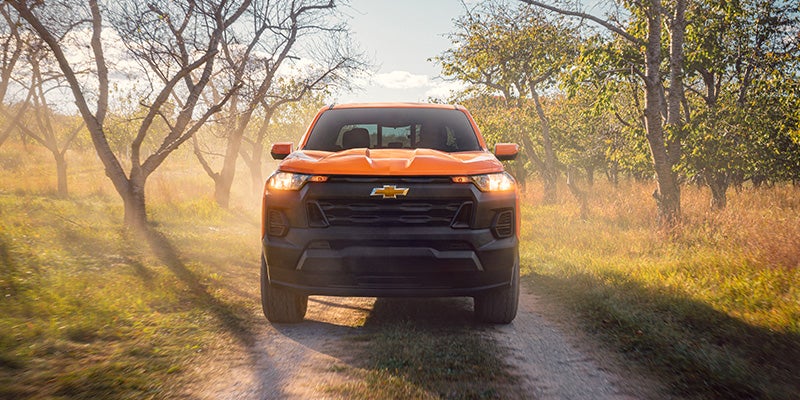
What to Check Before You Tow in a Chevy Colorado: Ratings, Payload, and Hitch Setup

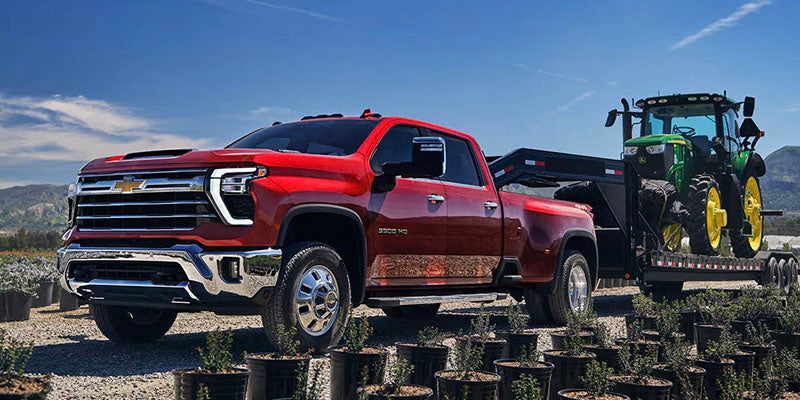
Towing with a midsize truck like the Chevy Colorado seems straightforward on paper, but most shoppers quickly realize that the numbers alone do not tell the full story. If you are asking how much a Colorado can tow, what payload actually means, or what equipment you need before hooking up a trailer, you are really trying to understand how the entire towing system works. This is where most confusion happens, and it is also where the right knowledge prevents costly mistakes. Understanding Chevy Colorado Towing Capacity as a System When people ask what the towing capacity of a Chevy Colorado is, they are usually referring to the maximum trailer weight the truck can pull under ideal conditions. Towing capacity is the maximum amount of weight the truck can pull when properly equipped, but it is not a standalone number. It is part of a system that includes engine output, cooling capacity, axle ratio, frame strength, and braking capability. In the Chevy Colorado, towing capacity is influenced by the available engine and tow package. The truck is engineered to handle specific loads, but those loads assume controlled conditions with minimal added weight inside the vehicle. The reason this matters is because towing capacity is not what you can automatically use in every situation. It is the upper boundary of a controlled test scenario. Once you add passengers, cargo, or additional equipment, the real-world limit begins to change. For buyers, this means evaluating: more How often you will tow near maximum capacity Whether your driving includes hills, long distances, or highway speeds If your Colorado configuration includes the proper towing package The Chevy Colorado towing capacity is best understood as a ceiling, not a target. The real question is how much of that capacity remains after everything else is accounted for. What Is the Difference Between Payload and Towing Capacity in a Chevy Colorado Payload is the total weight your Chevy Colorado can carry inside the truck, including passengers, cargo, and trailer tongue weight. This is critical because payload directly reduces how much you can tow safely. The difference between payload and towing capacity is that towing capacity measures what the truck pulls behind it, while payload measures everything the truck supports on its own frame. These two numbers are connected, and ignoring that connection is where most towing mistakes happen. In a Chevy Colorado towing setup, tongue weight from the trailer presses down on the hitch and counts against payload. That means your available payload decreases as soon as a trailer is attached. Here is how that plays out in real use: Passengers add weight to the cab Gear adds weight to the bed Trailer tongue weight adds downward force on the hitch All of that weight must stay within the Colorado’s payload rating. If it does not, the truck becomes unstable, braking performance is reduced, and suspension components are overloaded. For shoppers, this means the decision is not just about what the truck can tow, but what it can carry at the same time. The Chevy Colorado payload rating often becomes the limiting factor before towing capacity is ever reached. How Hitch Setup Affects Chevy Colorado Towing Stability When asking what hitch you need for a Chevy Colorado, the answer depends on how weight is transferred between the truck and the trailer. A hitch is not just a connection point. It is part of the system that controls balance, stability, and load distribution. The Chevy Colorado typically uses a receiver hitch designed to handle specific weight classes. However, as trailer weight increases, a standard hitch setup may no longer provide enough stability. A weight distribution hitch is designed to spread the trailer’s tongue weight more evenly across the front and rear axles of the Colorado. This reduces rear-end sag and improves steering control. This matters because improper hitch setup changes how the truck behaves: Rear suspension can compress excessively Front steering can become lighter and less responsive Trailer sway becomes more likely at highway speeds For buyers evaluating towing readiness, the key consideration is not just whether the hitch connects, but whether it distributes weight correctly. The Chevy Colorado performs best when the hitch setup matches the trailer’s weight and balance requirements. Do You Need Trailer Brakes and a Controller in a Chevy Colorado A trailer brake controller manages how braking force is applied between the Chevy Colorado and the trailer. This system ensures that both the truck and trailer slow down together instead of relying only on the truck’s brakes. Trailer brakes are additional braking systems built into the trailer itself, and they are activated by the controller inside the Colorado. Without this system, the truck must handle the entire stopping load, which increases stopping distance and reduces control. In the Chevy Colorado, adding a trailer brake controller becomes essential as trailer weight increases. The system works by detecting how hard you are braking and applying proportional braking force to the trailer. The real-world implication is significant: Without trailer brakes, stopping distances increase Brake wear on the truck accelerates Emergency braking becomes less predictable For shoppers, this is not just a feature decision. It is a safety requirement once trailer weight crosses certain thresholds. The Chevy Colorado towing setup should always include a brake controller when towing anything beyond light utility loads. Real-World Towing Scenarios for the Chevy Colorado When buyers ask if a Chevy Colorado can tow a camper or boat, they are trying to translate specifications into real-world use. The answer depends on how all the previously discussed systems work together. The Chevy Colorado can handle a range of towing scenarios, but the realistic limit depends on payload, hitch setup, and braking support. Common scenarios include: Small campers that stay well within payload and tongue weight limits Fishing boats where weight is balanced and trailer braking is minimal Utility trailers carrying equipment or materials Where buyers run into problems is assuming that reaching the maximum towing capacity means the setup is complete. In reality, every added variable changes the system. The Chevy Colorado performs best when towing setups are built around balance rather than maximum numbers. This means evaluating total weight, distribution, and control systems together before making a decision.

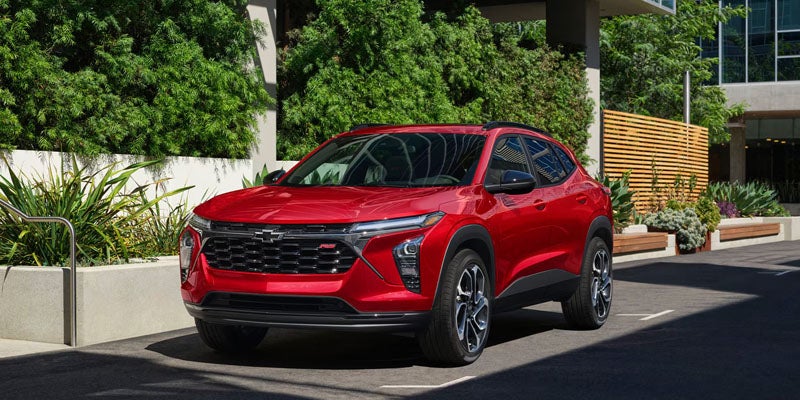
2026 Chevrolet Trax Interior, Tech and Everyday Driving Comfort Overview

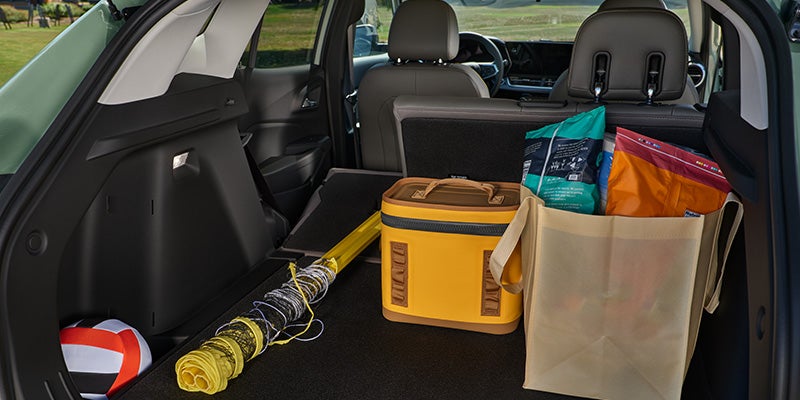
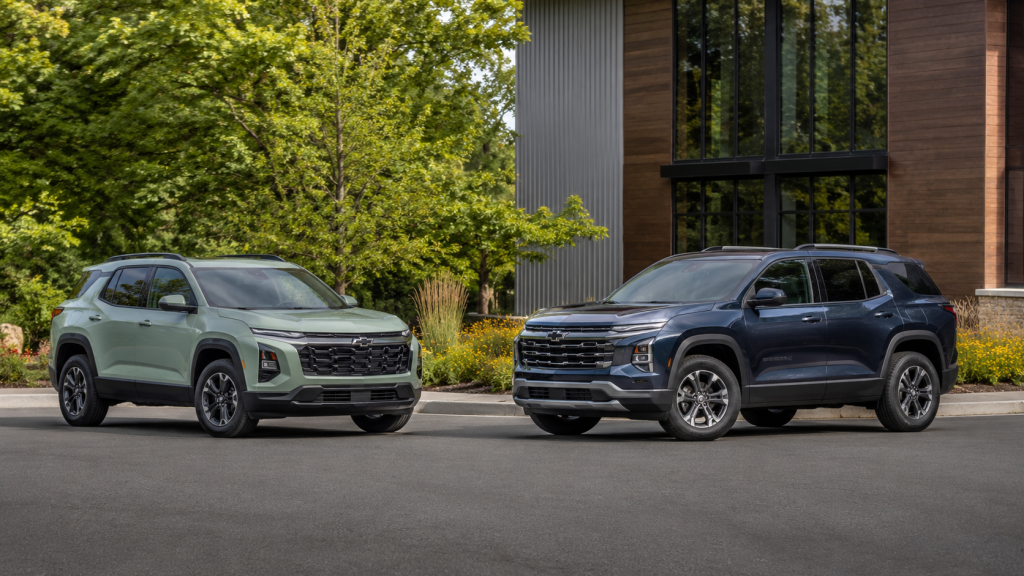
The 2026 Chevrolet Trax is positioned for drivers who want a compact SUV that performs consistently in daily use rather than excelling in a single category. Shoppers researching small SUVs are typically trying to understand how interior space, technology, ride comfort, and safety systems function together during commuting, errands, and longer drives. The value of the 2026 Chevrolet Trax comes from how these systems are engineered to reduce friction during repeated use. Evaluating the 2026 Chevrolet Trax requires looking beyond feature lists and focusing on how the interior layout supports driver interaction, how the infotainment system responds in real time, how the suspension system manages road input, and how driver assistance features operate in real driving conditions. Interior Layout and Practical Space Utilization in the 2026 Chevrolet Trax Many shoppers ask how spacious the 2026 Chevrolet Trax feels and whether the interior supports everyday usability. Interior usability is the efficiency of how space, controls, and seating positions are organized to support driving tasks. The 2026 Chevrolet Trax interior layout is designed around driver reach zones and visibility alignment. Controls are placed within a natural forward line of sight, reducing the need for drivers to shift focus away from the road. This design becomes important in stop and go traffic where quick interaction with climate, media, and navigation systems is frequent. The seating structure in the 2026 Chevrolet Trax supports a slightly elevated driving position. This improves outward visibility and helps drivers better judge distance when merging, parking, or navigating tighter spaces. Seat geometry is designed to distribute body weight evenly, which reduces fatigue during longer drives. Interior functionality is shaped by how the space is used rather than how large it appears. The Trax focuses on practical usability through: more • Seating designed to maintain posture during extended driving • Storage areas positioned for quick access without disrupting driving posture • Rear seating that balances passenger comfort with cargo adaptability For shoppers comparing compact SUVs, the key evaluation point is how easily the interior supports repeated daily tasks. The 2026 Chevrolet Trax interior is structured to reduce unnecessary movement and improve consistency in how drivers interact with the cabin. Infotainment System Performance and Connectivity in the 2026 Chevrolet Trax What technology comes in the 2026 Chevrolet Trax and how does it function during real driving conditions. The infotainment system is the central interface that controls media, navigation, and smartphone integration through a touchscreen based system. The 2026 Chevrolet Trax infotainment system is engineered for low latency and simplified navigation. Low latency refers to the time between user input and system response. Faster response times reduce distraction and improve usability while driving. This system operates through a combination of software interface design and hardware processing speed. The goal is to minimize the number of steps required to access commonly used features. Key system behaviors include: • Touch inputs are processed quickly to avoid delayed feedback • Wireless Apple CarPlay and Android Auto provide automatic smartphone integration without cables • Screen layout prioritizes navigation, media, and communication functions • Menu structure reduces unnecessary layers that increase cognitive load From a technical standpoint, infotainment usability depends on how efficiently the system processes commands and how logically information is organized. Systems with slower response times or complex menu structures require more driver attention. For drivers evaluating the 2026 Chevrolet Trax technology, the focus should be on how seamlessly the system integrates into daily routines. The infotainment system in the Trax is designed to operate as a support tool rather than a source of distraction. Suspension System Behavior and Ride Comfort in the 2026 Chevrolet Trax Many shoppers researching compact SUVs ask whether the 2026 Chevrolet Trax is comfortable for long drives and how it handles uneven road conditions. Ride comfort is determined by how the suspension system absorbs and controls road forces before they reach the cabin. The 2026 Chevrolet Trax suspension system is tuned to balance impact absorption with vehicle stability. Suspension tuning refers to how springs, dampers, and chassis components work together to manage energy from road surfaces. When the vehicle encounters road imperfections, the suspension compresses to absorb energy and then rebounds in a controlled manner. Dampers regulate this motion to prevent excessive bouncing or instability. In real driving conditions, this results in: • Reduced vibration from small road imperfections such as rough pavement • Controlled absorption of larger impacts like potholes • Stable body movement during highway driving and lane changes For daily driving, especially in areas with variable road quality, this balance is important. A suspension that is too stiff can transmit harsh impacts into the cabin, while a suspension that is too soft can reduce driver confidence during directional changes. The 2026 Chevrolet Trax suspension system is designed to provide consistent comfort without sacrificing control, which is critical for drivers who rely on their vehicle across different driving environments. Driver Assistance Systems and Real Time Safety Functionality What safety features are included in the 2026 Chevrolet Trax and how do they function during everyday driving. Driver assistance systems are technologies that use sensors and cameras to monitor surroundings and provide alerts or intervention when necessary. The 2026 Chevrolet Trax driver assistance features continuously collect data about vehicle position, surrounding traffic, and potential hazards. These systems compare real time data against safety thresholds to determine when to notify the driver or take action. Core system functions include: • Forward collision alert monitors closing speed and warns of potential impact • Automatic emergency braking applies braking force if a collision risk is detected • Lane keeping assistance provides steering input when the vehicle drifts from its lane • Following distance indicators help maintain safe spacing in traffic These systems are designed to support driver awareness rather than replace driver control. They operate in the background and activate only when specific conditions are met. For shoppers evaluating safety technology, the important factor is how consistently these systems perform in real world conditions. The 2026 Chevrolet Trax safety systems are engineered to provide predictable and reliable assistance during everyday driving scenarios. Compact Design and Its Effect on Daily Driving Usability Many drivers ask whether a compact SUV like the 2026 Chevrolet Trax provides enough space while remaining easy to drive. Compact design refers to the vehicle’s external dimensions and how they influence maneuverability and usability. The 2026 Chevrolet Trax compact size directly affects how the vehicle performs in urban and high traffic environments. Smaller dimensions improve driver control and reduce complexity when navigating tight spaces. This impacts daily driving in several ways: • Smaller turning radius improves maneuverability in parking lots and narrow streets • Reduced vehicle length simplifies parking in tight spaces • Improved spatial awareness increases driver confidence in congested areas At the same time, the interior layout is designed to maintain functional space for passengers and cargo. This balance allows the Trax to provide SUV level utility without the challenges associated with larger vehicles. For drivers who prioritize ease of use in city environments, the compact design of the 2026 Chevrolet Trax becomes a practical advantage rather than a limitation. How the 2026 Chevrolet Trax Functions as a Daily Driver Most shoppers ultimately want to understand whether the 2026 Chevrolet Trax is a good daily driver. A daily driver is a vehicle designed to provide consistent comfort, usability, and reliability across repeated use. The 2026 Chevrolet Trax achieves this by aligning multiple systems toward a single purpose. The interior layout supports efficient interaction, the infotainment system responds quickly to inputs, and the suspension system maintains comfort across different road conditions. Driver assistance systems contribute by monitoring surroundings and providing support when needed, helping reduce the likelihood of common driving errors. These systems operate without requiring constant driver attention, allowing the driver to remain focused on the road. The compact size of the 2026 Chevrolet Trax improves maneuverability while maintaining interior usability. This combination of design and engineering allows the Trax to perform consistently across commuting, errands, and longer trips. For shoppers comparing compact SUVs, the evaluation should focus on how well these systems work together rather than how each feature performs individually. The 2026 Chevrolet Trax is engineered to deliver a predictable and consistent driving experience, which is a defining characteristic of an effective daily driver.

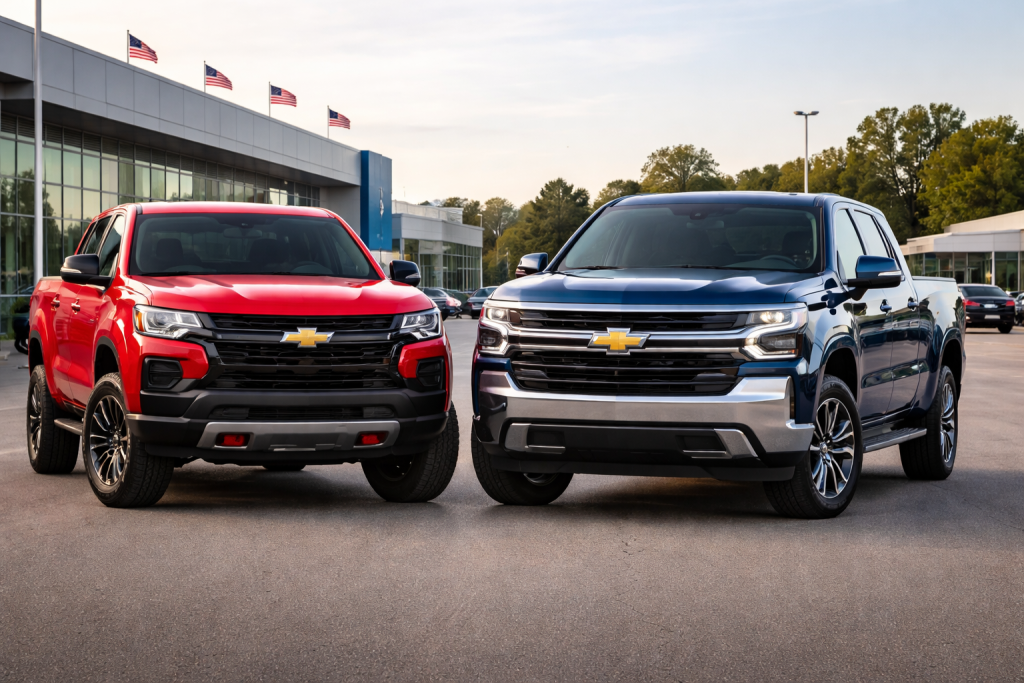
Chevrolet Colorado Towing vs Silverado 1500: Which Truck Fits Your Workload?

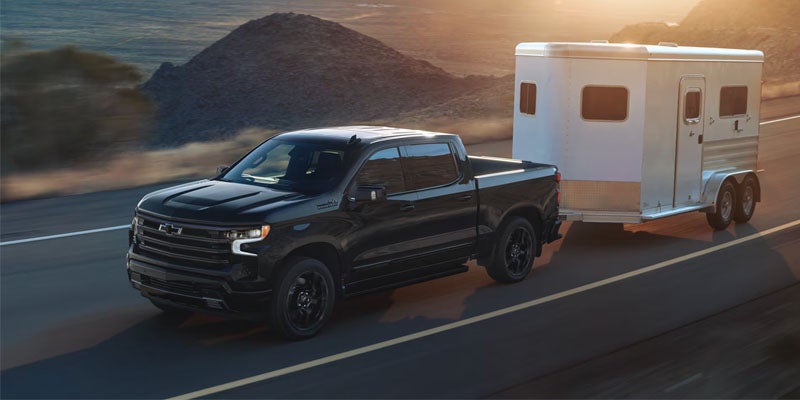
Truck shoppers comparing the Chevrolet Colorado and Chevrolet Silverado 1500 are usually trying to answer a practical question: which truck can actually handle their workload. Towing numbers are often the starting point, but those numbers do not explain how capability is generated, how it performs in real conditions, or which truck is better suited for specific tasks. Understanding how towing works, how each truck is engineered, and how real world conditions affect performance allows buyers to make a decision based on use rather than assumptions. How Towing Capacity Is Generated in Chevrolet Trucks Many shoppers researching towing capacity ask how these numbers are calculated and what actually allows a truck to pull heavier loads. Towing capacity is determined by a combination of engine torque, transmission gearing, drivetrain design, and structural strength. Torque is the primary force responsible for moving weight. The Chevrolet Colorado turbocharged engine produces torque at lower engine speeds, which helps initiate movement when pulling a trailer. The Chevrolet Silverado 1500 engine lineup includes options with higher overall torque output, allowing it to handle heavier loads more consistently. more Transmission gearing multiplies that torque. Lower gears increase pulling force when starting from a stop, while higher gears maintain efficiency at highway speeds. The Silverado 1500 transmission is designed to manage heavier loads across a wider range of conditions, while the Colorado transmission balances towing ability with everyday drivability. Drivetrain systems also influence towing performance. Four wheel drive systems improve traction when launching a trailer on loose or uneven surfaces, while rear wheel drive configurations are often sufficient for lighter towing on paved roads. The interaction of these systems determines how much weight a truck can safely tow and how it behaves under load. Payload vs Towing Capacity Explained Buyers frequently ask what the difference is between payload and towing capacity because both appear in truck specifications. What is payload capacity Payload capacity is the maximum amount of weight a truck can carry in its bed and cabin, including passengers and cargo. What is towing capacity Towing capacity is the maximum weight a truck can pull behind it using a trailer. The Chevrolet Colorado payload capacity supports lighter loads such as tools, equipment, or recreational gear placed in the bed. The Chevrolet Silverado 1500 payload capacity is higher due to its larger frame and suspension design, allowing it to carry heavier materials or more equipment. These two measurements affect different types of work. Payload is critical for jobs that involve carrying weight directly in the truck, while towing capacity matters for pulling trailers such as boats, campers, or work equipment. Understanding the distinction helps buyers choose a truck that aligns with how weight will actually be handled. Chevrolet Colorado Towing Capability and Real World Use Many drivers ask whether a midsize truck like the Chevrolet Colorado is strong enough for towing. The Colorado is designed to handle moderate workloads while maintaining efficiency and maneuverability. The Chevrolet Colorado towing capacity is supported by its turbocharged engine, which delivers strong low end torque for pulling smaller trailers. This makes it well suited for: small campers and travel trailers utility trailers with landscaping or light construction equipment boats and recreational vehicles In real driving conditions, the Colorado performs best when towing within moderate weight ranges. Its smaller size makes it easier to maneuver in urban environments and tighter job sites, which can be a significant advantage for daily use. For drivers who split their time between commuting and occasional towing, the Colorado provides a balanced approach to capability and efficiency. Chevrolet Silverado 1500 Towing Capability and Real World Use Buyers often assume the Chevrolet Silverado 1500 is the better option for towing, and in many cases that is correct when workloads increase. The Chevrolet Silverado 1500 towing capacity is supported by multiple engine options and a larger frame designed for heavier loads. Higher torque output allows the Silverado to pull larger trailers more consistently, especially over long distances or varying terrain. The Silverado 1500 is well suited for: larger campers and travel trailers heavy equipment trailers frequent towing over long distances In real world conditions, the Silverado provides more stability when towing heavier loads. Its longer wheelbase and stronger suspension system help maintain control, especially at highway speeds or when dealing with wind and elevation changes. For drivers whose workload regularly involves heavier towing, the Silverado offers the capability needed to handle those demands with greater confidence. How Towing Conditions Affect Real Performance Many shoppers question whether advertised towing capacity reflects real world performance. Maximum towing numbers are achieved under controlled conditions, but actual performance varies based on several factors. Weight distribution plays a critical role. Improperly balanced trailers can reduce stability and increase strain on the truck. Terrain also affects towing performance. Hills, uneven surfaces, and stop and go traffic require more power and can impact fuel consumption. Additional systems help manage these conditions. Trailer sway control detects unwanted trailer movement and applies braking adjustments to maintain stability. Integrated braking systems help distribute stopping force between the truck and trailer, improving control during deceleration. Drivers should consider: the type of terrain they will encounter regularly how often they will tow near maximum capacity whether stability and control systems are needed for their use case These factors determine how a truck performs beyond its listed specifications. How to Choose the Right Truck Based on Workload Shoppers often ask which truck they should buy, but the more effective approach is to evaluate how the truck will be used. The Chevrolet Colorado is best suited for drivers who need a versatile truck for daily driving with occasional towing. Its size and efficiency make it practical for commuting while still providing enough capability for moderate workloads. The Chevrolet Silverado 1500 is designed for drivers who regularly tow heavier loads or require greater payload capacity. Its larger platform supports more demanding tasks and provides increased stability under load. Key evaluation factors include: how often towing will occur and the typical weight of the load whether the truck will be used primarily for work or daily driving how important maneuverability and fuel efficiency are compared to maximum capability Aligning these factors with the truck’s design ensures the choice supports both immediate needs and long term use. Choosing Based on Real Work Demands When comparing the Chevrolet Colorado and Silverado 1500, most shoppers are trying to understand which truck actually fits how they plan to use it day to day, not just which one has higher numbers on paper. The Chevrolet Colorado is designed for drivers who need capability in a more manageable size. Its midsize platform makes it easier to navigate tight job sites, urban areas, and daily commuting routes while still delivering strong towing performance for trailers, small equipment, or recreational use. For many drivers, the Colorado strikes a balance between capability and practicality without feeling oversized in everyday driving. The Chevrolet Silverado 1500, on the other hand, is built for higher demand workloads. Its full-size frame, increased towing capacity, and broader engine range make it better suited for heavier trailers, larger job requirements, and situations where consistent power delivery matters. The Silverado is not just about higher maximum capability, it is about maintaining stability and confidence when loads increase. Shoppers comparing these trucks should focus on how often they plan to tow, how heavy those loads typically are, and where the truck will be driven most often. Key considerations include: • whether towing is occasional or part of regular use • how trailer weight compares to each truck’s capability range • how often the truck will be used in tight or urban environments • whether long-term flexibility for heavier workloads is needed For drivers who prioritize efficiency, maneuverability, and balanced capability, the Chevrolet Colorado is often the better fit. For those who need maximum towing performance, greater stability under load, and room to grow into heavier demands, the Chevrolet Silverado 1500 provides the capability to support that workload.

How Gonzales Drivers Evaluate Chevy Truck Pricing, Deals & Ownership Costs

Truck shoppers in Gonzales are not just comparing monthly payments or advertised prices. Most are trying to understand why prices vary so much between similar Chevrolet trucks, how deals actually impact cost, and what ownership looks like over time. Models like the Chevrolet Colorado and Chevrolet Silverado 1500 often appear close in price depending on configuration, which makes it difficult to determine which truck delivers the best value. A clear evaluation comes from understanding how pricing is built, how capability aligns with cost, and how ownership expenses develop after the purchase. How Chevy Truck Pricing Changes Based on Configuration Many shoppers comparing Chevy trucks ask why pricing varies so widely within the same model. Truck pricing is heavily influenced by configuration choices rather than a single base price. The Chevrolet Colorado and Chevrolet Silverado 1500 both start with a base configuration, but pricing increases as buyers adjust key variables. Cab size, bed length, drivetrain, and engine selection all contribute to the final cost. For example, a Chevrolet Silverado 1500 Crew Cab with four wheel drive and a larger engine will cost significantly more than a Regular Cab configuration with rear wheel drive. Each change adds capability, space, or performance, which directly affects pricing. Key configuration factors that influence price include: more cab design, which determines passenger space and interior layout bed length, which affects cargo capacity and usability drivetrain systems such as two wheel drive or four wheel drive engine options that change power output and efficiency Understanding these variables helps buyers compare trucks based on actual build rather than entry level pricing that may not reflect real world needs. How Chevrolet Colorado and Silverado 1500 Differ in Cost and Capability Buyers often want to know whether the Chevrolet Colorado or Chevrolet Silverado 1500 offers better value. The answer depends on how the truck will be used. The Chevrolet Colorado is a midsize truck designed for efficiency and maneuverability. Its turbocharged engine provides strong torque for everyday driving and light towing while maintaining lower fuel consumption compared to larger trucks. The Colorado is often more cost effective for drivers who do not require maximum towing or payload capacity. The Chevrolet Silverado 1500 is a full size truck built for higher capability. It offers multiple engine options, including larger displacement engines designed for towing and hauling heavier loads. The Silverado platform also provides more interior space and greater bed capacity. These differences affect both price and usability: the Chevrolet Colorado supports drivers focused on commuting, light hauling, and occasional towing the Chevrolet Silverado 1500 is designed for heavier workloads, larger trailers, and increased passenger space Choosing between them requires aligning capability with actual usage rather than selecting the larger truck by default. How Engine Options Affect Performance and Long Term Cost Many shoppers researching Chevy trucks ask how engine choice impacts both performance and ownership cost. Engine design plays a direct role in fuel consumption, towing capability, and long term expenses. The Chevrolet Colorado turbocharged engine uses forced air to increase power output without requiring a larger engine block. This allows the Colorado to deliver strong low end torque while maintaining efficiency during daily driving. The Chevrolet Silverado 1500 offers multiple engine options, including turbocharged and larger displacement engines. Larger engines generate higher horsepower and torque, which improves towing capability but increases fuel consumption. Engine selection affects ownership in several ways: fuel efficiency changes based on engine size and driving conditions towing performance increases with higher torque output maintenance complexity can vary depending on engine design For drivers who primarily commute or use the truck for lighter tasks, a turbocharged engine may provide a better balance of cost and performance. For those regularly towing or hauling, a larger engine may justify the increased fuel and operating cost. How Truck Deals and Incentives Actually Work Shoppers frequently search for the best Chevy truck deals near them, but many ask whether these deals actually reduce total cost. Pricing incentives can lower the upfront price, but they do not always reflect the full financial picture. Deals may include manufacturer incentives, financing offers, or price reductions tied to specific trims or configurations. These incentives can make higher trim levels more accessible, but they may also be tied to conditions such as financing terms. Understanding how deals function requires evaluating: whether the discount applies to the desired configuration how financing terms affect total cost over time whether incentives are offset by higher trim pricing A lower advertised price does not always mean a lower total cost. Buyers should compare the full purchase structure rather than focusing only on the initial discount. How Ownership Costs Impact Total Value Over Time Many drivers ask how much it actually costs to own a truck beyond the purchase price. Ownership costs include fuel, maintenance, and how the truck is used over time. The Chevrolet Colorado, with its smaller size and turbocharged engine, typically consumes less fuel during daily driving. This can reduce ongoing costs for drivers with shorter commutes or lighter workloads. The Chevrolet Silverado 1500, while more capable, may require more fuel and maintenance depending on engine choice and usage. Trucks used for towing or heavy hauling will experience different wear patterns compared to those used primarily for commuting. Ownership cost considerations include: fuel usage based on engine type and driving habits maintenance needs influenced by workload and mileage how frequently the truck is used for towing or hauling Evaluating these factors helps determine whether a lower upfront price or a more capable truck provides better long term value. How to Choose the Right Truck Based on Real Usage Shoppers often ask which Chevy truck they should buy, but the better question is how the truck will actually be used. The right choice depends on matching capability to daily requirements. Drivers who primarily commute, carry lighter loads, and need a more maneuverable truck may find the Chevrolet Colorado delivers the best balance of cost and usability. Its size and efficiency make it practical for everyday driving. Drivers who require higher towing capacity, larger cargo space, or additional passenger room may benefit from the Chevrolet Silverado 1500. Its design supports more demanding tasks and larger scale use. Evaluating usage should focus on: how often the truck will be used for work versus daily driving whether towing or hauling is a regular requirement how much interior and cargo space is needed When these factors are clearly defined, it becomes easier to identify which truck aligns with both budget and long term needs. Making a Confident Truck Decision Truck pricing, deals, and ownership costs are all connected through how the vehicle is configured and used. Understanding how Chevrolet trucks are built, how their systems perform, and how they fit into daily life provides a clearer picture than comparing price alone. When buyers evaluate capability, cost, and long term use together, the decision becomes more practical and aligned with real needs.

Gonzales SUV Pricing & Feature Comparison: What Local Chevy Shoppers Prioritize

SUV shoppers in Gonzales are rarely just comparing price tags. Most are trying to understand how pricing connects to features, how those features function in daily driving, and which Chevrolet SUV actually aligns with their lifestyle. Models like the Chevrolet Equinox, Chevrolet Blazer, and Chevrolet Traverse often appear close in price depending on trim level, which creates confusion around what separates them and what is actually worth paying for. Understanding how pricing structures work, how systems operate, and how each model is designed helps turn a broad comparison into a clear decision. How Chevrolet SUV Pricing Changes Across Trim Levels Many shoppers comparing Chevy SUVs ask how pricing changes between trims and what actually drives those differences. Chevrolet SUV pricing increases are not random. Each step up in trim reflects added systems, upgraded materials, and expanded functionality. At the base level, vehicles like the Chevrolet Equinox LS typically include essential systems such as a turbocharged engine, foundational safety features, and a standard infotainment interface. As buyers move into mid-level trims like the Equinox LT or Blazer 2LT, pricing increases reflect added convenience and driver assistance systems along with interior upgrades. more At higher trims such as the Chevrolet Traverse RS or Blazer Premier, pricing shifts more significantly due to bundled technology, enhanced materials, and expanded system integration. What changes across trim levels typically includes: drivetrain options such as available all wheel drive systems interior materials including seating surfaces and cabin finishes infotainment upgrades like larger displays and enhanced connectivity driver assistance systems with expanded monitoring and intervention capabilities For buyers, the key evaluation is not just what features are added, but how those features change the driving and ownership experience. How Chevrolet Equinox, Blazer, and Traverse Differ Beyond Price Buyers often want to know which Chevy SUV offers the best value and how models differ beyond size. The Chevrolet Equinox, Chevrolet Blazer, and Chevrolet Traverse are built for different use cases, even when pricing overlaps. The Chevrolet Equinox is designed as a compact SUV focused on efficiency and daily usability. Its turbocharged engine balances fuel economy with sufficient power for commuting and light travel. The Equinox interior prioritizes straightforward controls and flexible cargo space for smaller households. The Chevrolet Blazer introduces a more performance oriented design. The Blazer engine options and chassis tuning provide more responsive acceleration and handling. Interior design in the Blazer emphasizes driver engagement, with a cockpit style layout and more advanced infotainment interaction. The Chevrolet Traverse is engineered for space and passenger capacity. Its larger platform supports three rows of seating and a significantly expanded cargo area. The Traverse is built for families or drivers who regularly transport passengers and equipment. These differences matter because they affect how each vehicle performs in real world use: the Chevrolet Equinox is best suited for commuting and light cargo needs the Chevrolet Blazer supports drivers who prioritize performance feel and design the Chevrolet Traverse provides maximum space and flexibility for larger households Understanding the intended purpose of each model helps clarify which one delivers the most practical value. How Chevy Safety Systems Function in Real Driving Conditions When comparing SUVs, many shoppers ask how safety features actually work rather than just what is included. Chevrolet safety systems are designed to monitor driving conditions and assist when potential risks are detected. What is automatic emergency braking Automatic emergency braking is a system that detects a potential front end collision and applies braking force if the driver does not respond in time. In the Chevrolet Equinox, Chevy Safety Assist uses forward facing sensors to monitor distance from vehicles ahead. If the system identifies a rapid closing gap, it can alert the driver and apply braking to reduce impact severity or avoid a collision. Lane keep assist functions differently. The system monitors lane markings and provides steering input if the vehicle begins to drift unintentionally. In models like the Chevrolet Blazer, this system works alongside lane departure warning to maintain consistent lane positioning. Blind zone alert systems in the Chevrolet Traverse use rear quarter sensors to detect vehicles in adjacent lanes. When a vehicle enters a blind spot, visual alerts appear to inform the driver before a lane change. These systems matter because they reduce driver workload and provide an additional layer of awareness in everyday conditions such as highway driving, traffic congestion, and urban environments. How Interior Space and Cargo Capacity Affect Daily Use Shoppers frequently search for cargo space comparisons but often focus only on maximum numbers. What matters more is how that space functions with passengers and daily items. The Chevrolet Equinox cargo area is designed for flexibility in smaller loads. With rear seats in place, it accommodates groceries, small luggage, and daily essentials. Folding the rear seats expands space for larger items, but passenger capacity is reduced. The Chevrolet Blazer cargo space offers a balance between passenger comfort and storage. Its design supports both rear seating and moderate cargo needs without fully sacrificing one for the other. The Chevrolet Traverse cargo management system is built for larger scale use. Even with all seats occupied, the Traverse maintains usable cargo space behind the third row. When seats are folded, the available space increases significantly, supporting bulkier items and extended travel needs. Buyers should evaluate: how often all seats will be occupied what type of cargo is typically carried whether flexibility or maximum capacity is more important This helps determine which SUV layout aligns with real usage patterns. How Technology Systems Influence Everyday Driving Many shoppers compare infotainment features but do not always understand how those systems affect daily driving. Chevrolet infotainment systems are designed to integrate navigation, communication, and vehicle controls into a single interface. The Chevrolet Blazer infotainment system, for example, features a responsive touchscreen with smartphone integration that allows drivers to access navigation, messaging, and media without switching between devices. System responsiveness and layout play a significant role in usability, especially during driving. In the Chevrolet Equinox, the infotainment system prioritizes simplicity and ease of use. Controls are designed to minimize distraction, making it easier for drivers to adjust settings quickly. The Chevrolet Traverse expands on this with additional connectivity options and available rear seat entertainment features, supporting passengers during longer trips. Technology evaluation should focus on: how quickly the system responds to inputs how easily drivers can access key functions while driving how well the system integrates with personal devices These factors determine whether technology enhances or complicates the driving experience. How to Evaluate SUV Value Beyond the Price Tag Shoppers often ask whether higher priced SUVs are worth it. Value is determined by how well a vehicle’s systems, space, and features align with how it will be used over time. A lower priced Chevrolet Equinox may provide strong value for drivers with shorter commutes and minimal cargo needs. A mid level Chevrolet Blazer may offer better value for drivers who prioritize performance and interior design. A higher priced Chevrolet Traverse may justify its cost for families who need space and flexibility every day. Evaluating value requires looking beyond initial cost and considering: how often specific features will be used whether the vehicle supports long term needs such as family growth or travel how systems like AWD, safety technology, and infotainment impact daily driving When these factors align with the driver’s lifestyle, the vehicle delivers stronger long term value regardless of its starting price. Making a Confident SUV Decision SUV shopping becomes more effective when pricing, features, and functionality are evaluated together rather than separately. Understanding how Chevrolet SUVs are structured, how their systems operate, and how each model is designed allows buyers to move beyond surface comparisons. When the decision is based on real usage rather than feature lists, it becomes easier to identify which SUV supports everyday driving, long term ownership, and overall satisfaction.

Gonzales SUV Shopping Trends: How Drivers Compare Space, Safety, and Technology Across the Chevrolet SUV Lineup

When Gonzales drivers begin shopping for a Chevrolet SUV, the comparison rarely stays focused on one model. Buyers typically evaluate multiple size classes before narrowing their decision. The most common factors driving that decision are interior space, safety integration, and technology capability relative to budget. Chevrolet’s SUV lineup spans compact efficiency to full-size towing strength. Understanding how models differ structurally and mechanically ensures you choose the right platform rather than simply choosing the largest option available. Compact SUV Options: Chevrolet Trax and Chevrolet Trailblazer Compact SUVs are engineered for maneuverability, fuel efficiency, and commuter practicality. Trax: Five-passenger seating Turbocharged small-displacement engine Designed for urban driving Strong combined fuel economy Trailblazer: Slightly larger footprint than Trax Available all-wheel drive Multiple turbocharged engine options Flexible cargo configuration Compact SUVs appeal to: more Single drivers or couples Small families Buyers prioritizing fuel economy Drivers navigating tighter city spaces Cargo capacity in compact SUVs supports groceries, sports equipment, and moderate travel needs. However, rear-seat space is more limited compared to midsize options. Compact to Midsize Transition: Chevrolet Equinox and Chevrolet Blazer The Equinox represents a step up in interior space while maintaining manageable exterior dimensions. Equinox: Two-row seating Turbocharged four-cylinder engine Available all-wheel drive Increased rear legroom compared to Trax Blazer: Wider stance and more aggressive styling Multiple engine options including V6 in certain configurations Enhanced performance positioning Larger infotainment display availability These models balance everyday efficiency with expanded passenger comfort. For Gonzales drivers who want additional space but do not require a third row, this segment provides an effective compromise. Three-Row Midsize SUV: Chevrolet Traverse The Traverse is designed specifically for families requiring third-row seating without moving into full-size SUV territory. Key Characteristics: Standard three-row configuration Seating for up to eight Expanded cargo volume behind the third row Turbocharged engine tuned for torque Cargo flexibility is one of the Traverse’s defining advantages. Even with the third row in use, it provides usable storage capacity. For families balancing school routines, travel, and occasional towing, the Traverse serves as a practical middle ground. Full-Size SUV Capability: Chevrolet Tahoe and Chevrolet Suburban Full-size SUVs operate on truck-based architectures with body-on-frame construction. Tahoe: Seating for up to eight V8 engine options Independent rear suspension in current generation Significant towing capability Suburban: Extended wheelbase version of Tahoe Maximum cargo capacity within the Chevrolet lineup Expanded third-row legroom Independent rear suspension dramatically improved third-row comfort and cargo usability compared to older solid axle designs. Full-size SUVs are chosen by: Large families RV owners Drivers towing boats or trailers Buyers needing maximum interior volume Cargo Space Considerations Cargo space increases progressively across segments: Compact SUVs: Designed for light daily use Rear seats fold for expanded storage Midsize SUVs: More rear legroom Increased cargo behind second row Three-row SUVs: Usable cargo behind third row Maximum cargo when rear rows fold Full-size SUVs: Significant storage even with full passenger load Highest maximum cargo volume in lineup Choosing the correct SUV often depends on how frequently all seats are occupied versus how often maximum cargo is required. Safety Systems Across the Lineup Chevrolet integrates advanced safety systems across its SUV lineup. Common standard and available features include: Forward collision alert Automatic emergency braking Lane keep assist Blind zone alert Rear cross traffic alert Adaptive cruise control Higher trims introduce expanded driver assistance systems including Super Cruise in select full-size models. Safety consistency across size classes allows buyers to prioritize space without sacrificing core protection systems. Technology Integration Technology varies by model and trim level. Common features include: Large touchscreen infotainment displays Wireless Apple CarPlay and Android Auto Digital driver information displays Google built-in in select models Full-size SUVs often offer the most expansive digital interfaces and premium audio systems. Buyers comparing tech should evaluate trim-specific differences rather than assuming all models include identical features. Fuel Economy and Engine Tradeoffs Fuel economy decreases as SUV size increases due to vehicle mass and engine displacement. Compact SUVs: Highest fuel efficiency Smaller turbocharged engines Midsize SUVs: Balanced efficiency and power Full-size SUVs: V8 engine availability Lower fuel efficiency Increased towing capability Selecting a larger SUV solely for occasional space needs may increase long-term fuel cost without added daily benefit. All-Wheel Drive and Towing Capability All-wheel drive is available across most of the lineup. Towing capability varies significantly: Compact SUVs: Limited towing capacity Traverse: Moderate trailering capability Tahoe and Suburban: Designed for substantial towing strength Understanding whether towing is occasional or routine helps determine appropriate platform size. How Gonzales Buyers Narrow Their Decision The typical decision-making process includes: Counting regular passenger needs Evaluating cargo frequency Considering towing requirements Reviewing daily commute distance Assessing budget alignment Comparing trim-level technology The correct Chevrolet SUV is determined by matching interior volume and mechanical capability to actual usage patterns. Choosing based on measurable need rather than maximum size ensures both financial efficiency and long-term satisfaction.

How Gonzales Drivers Compare Chevy Truck Capability and Pricing Across the Chevrolet Silverado 1500 and Chevrolet Silverado 2500HD Lineup

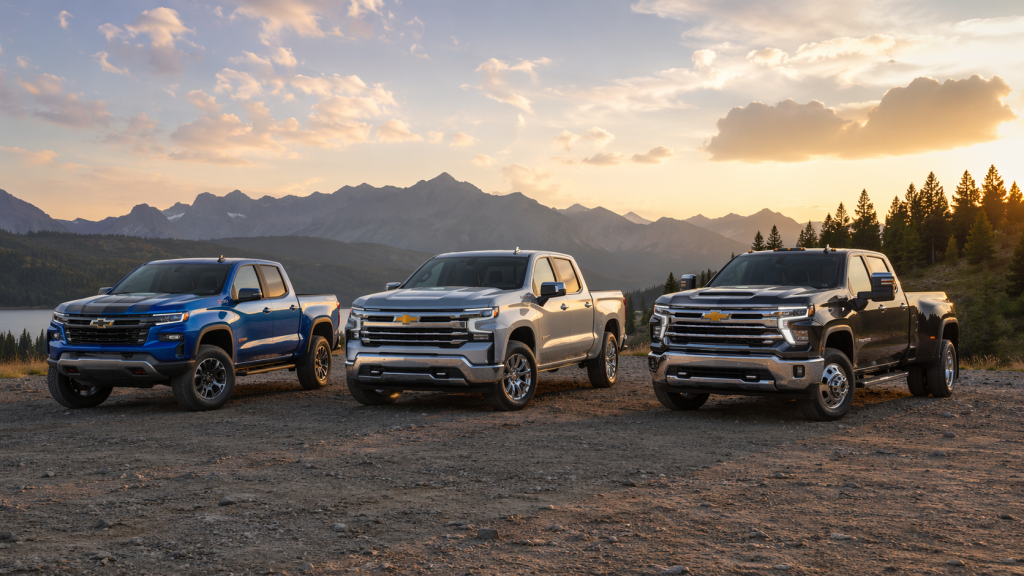
When Gonzales drivers begin comparing Chevrolet trucks, the conversation usually starts with price but quickly shifts to capability. The real decision is not simply light duty versus heavy duty. It is understanding how towing capacity, payload strength, engine configuration, and trim positioning align with daily workload and long-term ownership cost. Chevrolet structures its truck lineup with clear engineering distinctions between the Silverado 1500, 2500HD, and 3500HD. Choosing the correct platform ensures you pay for capability you actually use. Platform Differences: Light Duty vs Heavy Duty The Silverado 1500 is a light-duty truck designed for balanced towing, everyday comfort, and broad configuration flexibility. The Silverado 2500HD and 3500HD are built on reinforced frames with heavier suspension components, upgraded axles, and commercial-grade cooling systems. Structural Differences: more Silverado 1500: Fully boxed frame Independent front suspension Designed for moderate to high towing needs Optimized for daily drivability Silverado 2500HD and 3500HD: Heavier gauge frame reinforcement Increased rear axle strength Upgraded braking systems Designed for sustained heavy towing and hauling If your trailer weight routinely exceeds the upper range of light-duty ratings, stepping into an HD platform protects drivetrain longevity. Engine Lineup and Output Differences Silverado 1500 Engine Options: 2.7L Turbo engine Strong low-RPM torque Efficient for a light-duty truck Designed for balanced commuting and utility 5.3L V8 Traditional V8 power delivery Strong mid-range acceleration Well suited for moderate towing 6.2L V8 Higher horsepower and torque Confident passing and load support 3.0L Duramax Turbo-Diesel Exceptional torque output Improved highway efficiency Designed for sustained towing performance Silverado HD Engine Options: 6.6L V8 Gas Reliable heavy-duty output Lower upfront cost compared to diesel 6.6L Duramax Turbo-Diesel Substantial torque for fifth-wheel and gooseneck towing Paired with the Allison 10-speed automatic transmission Engineered for maximum commercial-grade durability Torque is the key metric for heavy towing. Diesel engines produce higher torque at lower engine speeds, reducing strain during sustained load. Transmission Engineering Many Silverado models use a 10-speed automatic transmission. Benefits include: Closer gear spacing for smoother acceleration Improved towing stability Optimized highway efficiency The Allison 10-speed paired with the HD Duramax engine is specifically engineered for high torque handling and extended towing cycles. Transmission strength is essential in heavy-duty applications. Proper pairing of engine and transmission ensures long-term durability. Towing Capacity Comparison Towing capacity varies significantly based on engine, axle ratio, and configuration. Silverado 1500: Properly equipped models can exceed 13,000 pounds of towing capacity Silverado 2500HD: Capable of towing over 20,000 pounds when configured appropriately Silverado 3500HD: Dual rear wheel configurations can exceed 30,000 pounds in certain setups Understanding the difference between conventional towing and fifth-wheel towing is critical. Fifth-wheel towing places weight directly over the rear axle, increasing stability but also increasing required payload capacity. If you tow: A small boat A compact camper Utility trailers A properly equipped 1500 may be sufficient. If you tow: Large RVs Livestock trailers Heavy construction equipment An HD model provides necessary margin and control. Payload and Bed Utility Payload represents the total weight your truck can carry in the bed and cabin combined. Higher payload ratings are necessary for: Heavy building materials Tool storage systems Fifth-wheel pin weight HD models provide higher payload thresholds due to reinforced rear suspension systems. Cab and Bed Configuration Impact Silverado models offer: Cab options: Regular Cab Double Cab Crew Cab Bed lengths: Short bed Standard bed Long bed Longer beds improve fifth-wheel mounting clearance and load distribution. Crew Cab models increase passenger comfort for job crews or families. Selecting cab and bed configuration impacts total weight ratings and price positioning. Gas vs Diesel Ownership Considerations Gas engines: Lower initial purchase cost Simpler emissions systems Suitable for occasional towing Diesel engines: Higher torque output Improved fuel efficiency under load Designed for sustained heavy towing Diesel ownership includes understanding emissions systems such as diesel exhaust fluid usage. The decision depends on towing frequency and weight. Trailering Technology Systems Chevrolet integrates advanced trailering technology across the lineup. Available systems include: Integrated trailer brake controller Multi-camera trailering views Hitch guidance with dynamic guidelines Trailer sway control These systems enhance stability and driver confidence when towing. Trim Levels and Pricing Strategy Silverado trims range from: Work Truck: Utility-focused Simplified interior LT and RST: Balanced feature and value positioning Trail Boss: Off-road suspension enhancements ZR2: Advanced off-road hardware High Country: Premium interior materials Advanced technology integration As trims increase, interior refinement and driver assistance features expand, impacting pricing tiers. How Gonzales Drivers Make the Decision Drivers typically evaluate: Maximum trailer weight Payload requirements Daily commuting needs Budget alignment Cab space requirements Long-term ownership cost The correct truck is determined by matching real-world workload with engineered capability. Choosing a heavy-duty truck without requiring its capacity increases cost without adding practical benefit. Choosing too small a truck for consistent heavy towing increases mechanical strain. Understanding the structural, engine, and capacity differences across the Silverado lineup ensures confident purchasing decisions rooted in capability rather than assumption.

2026 Chevrolet Traverse: New Technology, Expanded Space, and Family-Focused Comfort

The 2026 Chevrolet Traverse represents a structural and technological shift within the Chevrolet SUV lineup. It is larger, more powerful, and digitally advanced compared to prior generations. For families evaluating three-row SUVs, the changes are architectural rather than cosmetic. This overview breaks down platform growth, powertrain updates, digital integration, safety systems, and trim positioning so buyers can understand how the new Traverse functions in daily use. Redesign and Platform Growth The 2026 Traverse rides on an updated midsize SUV platform with increased overall length and expanded interior packaging. Wheelbase and body proportions have been optimized to improve passenger comfort and cargo usability. Key structural updates include: more Standard three-row seating across the lineup Increased third-row legroom Expanded cargo volume Broader stance for improved highway stability The prior generation focused on versatility but limited overall rear passenger space. The new platform addresses those constraints directly. For families who frequently use the third row, the increase in usable legroom changes long-distance comfort expectations. Seating Capacity and Interior Layout The 2026 Traverse seats up to eight passengers depending on configuration. Second-row options include: Bench seating for maximum capacity Captain’s chairs for easier third-row access The third row is designed for practical use rather than emergency seating. Improved entry geometry and additional legroom support consistent multi-passenger travel. Rear climate controls and airflow distribution ensure temperature balance across all rows, which is critical for Louisiana driving conditions. Interior storage solutions include: Center console storage expansion Underfloor cargo compartments Flexible fold-flat seat functionality Cargo Volume Breakdown Cargo capacity remains a major decision factor in the midsize SUV segment. Traverse provides: Usable cargo space behind the third row Significant expansion when third row folds Maximum cargo volume with second and third rows folded flat The wider body profile improves loading width for strollers, coolers, and sports equipment. Families balancing school routines, travel, and recreational hauling benefit from understanding real-world cargo depth rather than relying solely on seating count. Turbocharged 2.5L Engine and Transmission The 2026 Traverse introduces a standard 2.5L turbocharged four-cylinder engine paired with an 8-speed automatic transmission. This engine is engineered for: Strong low-end torque delivery Confident merging and passing power Balanced fuel efficiency relative to vehicle size Turbocharged torque supports towing capability and multi-passenger load performance without requiring high engine RPM. The 8-speed transmission provides: Smooth gear transitions Optimized highway cruising efficiency Controlled downshifts under load The result is a midsize SUV that feels responsive rather than strained, even with a full passenger load. Trailering Capability Properly equipped Traverse models support light to moderate trailering. This enables towing of: Small campers Utility trailers Recreational equipment Trailering packages include integrated stability systems designed to manage sway and maintain braking balance. For families who occasionally tow but do not require full-size SUV capability, the Traverse occupies an effective middle ground. Interior Technology and Digital Integration One of the most visible upgrades is the new digital interface. Key technology features include: 17.7-inch diagonal infotainment display 11-inch digital driver information center Google built-in integration Wireless Apple CarPlay and Android Auto Over-the-air software capability The large central display reduces button clutter and centralizes navigation, media, and vehicle settings. Google built-in functionality provides: Native Google Maps navigation Voice-activated Google Assistant App integration without constant smartphone pairing This improves daily usability and long-distance navigation planning. Super Cruise Availability Available Super Cruise enhances highway travel comfort. This hands-free driver assistance system uses: Advanced mapping Driver monitoring cameras Radar and camera fusion It is designed for compatible divided highways and reduces driver fatigue during extended trips while maintaining active supervision. For families covering longer distances regularly, this system provides added convenience without compromising safety oversight. Safety Systems and Driver Assistance The 2026 Traverse integrates a comprehensive suite of safety technologies. Standard and available systems include: Forward collision alert Automatic emergency braking Lane keep assist Blind zone steering assist Rear cross traffic braking Adaptive cruise control Safety engineering is embedded across trims rather than isolated to upper-tier packages. Trim Differentiation The 2026 Traverse lineup includes trims such as: LT Core technology and family-focused value Z71 Off-road oriented enhancements Revised suspension tuning Unique exterior detailing RS Sport-oriented styling Distinct interior finishes High Country Premium interior materials Advanced driver assistance integration Enhanced comfort features While core platform dimensions remain consistent, trim selection influences suspension calibration, aesthetic positioning, and interior refinement. Is the 2026 Traverse Built for Families? The updated Traverse aligns with key family priorities: True three-row space Modern digital interface Practical cargo flexibility Balanced turbocharged performance Advanced driver assistance integration For buyers comparing midsize three-row SUVs, the 2026 Traverse competes on measurable interior volume and technology integration rather than superficial updates. Understanding how engine output, seating architecture, and digital systems interact ensures a confident decision based on daily needs.

Chevrolet Trax vs Chevrolet Equinox: Which SUV Fits Your Budget and Driving Style?

Choosing between the Chevrolet Trax and Equinox is less about brand and more about segment. Both are two-row SUVs designed for everyday practicality, but they serve different drivers. One prioritizes compact efficiency and value positioning. The other delivers greater interior volume, available all-wheel drive, and expanded capability. Understanding platform size, powertrain behavior, cargo capacity, and long-term ownership costs clarifies which SUV aligns with your daily routine. Segment Positioning and Overall Size The Trax is classified as a subcompact SUV. It rides on a shorter wheelbase with a narrower overall footprint. This directly affects maneuverability and parking ease. The Equinox sits in the compact SUV segment. It is longer, wider, and engineered for increased passenger room and cargo flexibility. What this means in practice: more Trax advantages: Easier to park in tight city environments Lighter curb weight Lower entry price tier Designed for commuter-focused efficiency Equinox advantages: More rear legroom Greater cargo capacity Available all-wheel drive Broader trim and drivetrain flexibility Drivers who primarily navigate urban roads often prioritize compact dimensions. Families transporting multiple passengers regularly benefit from the Equinox’s additional cabin volume. Powertrain and Driving Behavior Chevrolet Trax Engine The Trax is powered by a turbocharged 1.2L three-cylinder engine paired with a 6-speed automatic transmission. Characteristics: Tuned for efficiency over outright acceleration Lightweight configuration improves city maneuverability Strong low-speed torque for urban driving The smaller displacement engine supports fuel economy while maintaining responsive throttle input at lower speeds. Chevrolet Equinox Engine The Equinox features a turbocharged 1.5L four-cylinder engine paired with an 8-speed automatic transmission. Characteristics: Higher overall output compared to Trax Smoother highway acceleration Available all-wheel drive compatibility The additional power and transmission gearing support highway merging and sustained higher-speed travel more comfortably. Fuel Economy Comparison Fuel economy is a frequent comparison point. Trax: Designed for strong combined fuel efficiency Lighter platform contributes to lower fuel consumption Equinox: Slightly lower combined MPG compared to Trax due to increased size Efficiency remains competitive within the compact SUV segment Drivers with longer daily commutes may find the Trax’s efficiency beneficial. Drivers balancing highway travel and passenger capacity may prioritize the Equinox’s added power. Cargo Space and Interior Volume Cargo space often determines final purchase decisions. Chevrolet Trax: Competitive cargo space for subcompact segment Rear seats fold flat to expand usable storage Designed for groceries, small furniture, and weekend travel Chevrolet Equinox: Larger cargo volume behind the second row Greater maximum cargo capacity with seats folded More practical for strollers, sports equipment, and family luggage Rear-seat legroom is also a differentiator. The Equinox provides noticeably more space for adult passengers in the second row. For households regularly transporting rear-seat passengers, this difference matters. All-Wheel Drive Availability One of the most searched questions is whether the Trax and Equinox offer AWD. The Trax is front-wheel drive only. The Equinox offers available all-wheel drive in certain configurations. All-wheel drive can improve traction in wet or uneven conditions. Drivers who prioritize additional stability during seasonal weather changes often consider this a key deciding factor. Interior Technology and Features Both SUVs integrate modern Chevrolet infotainment systems with touchscreen displays, smartphone connectivity, and advanced driver assistance features. Equinox trims typically offer: Larger infotainment screens in upper trims Expanded digital instrument display Additional comfort upgrades Trax trims focus on value-oriented packaging while still incorporating core safety and connectivity features. Buyers evaluating interior experience should compare trim levels rather than simply comparing base models. Ride Quality and Daily Comfort Trax: Compact suspension tuning Responsive steering Designed for city agility Equinox: More composed highway ride Additional cabin insulation Greater rear passenger comfort The Equinox’s longer wheelbase contributes to smoother ride characteristics on longer trips. Pricing Strategy and Long-Term Value While exact pricing varies by trim and configuration, the Trax occupies a lower entry point within the Chevrolet SUV lineup. The Equinox commands a higher price tier due to: Larger platform AWD availability Increased interior materials and technology options The decision often comes down to whether the additional space and drivetrain flexibility justify the cost difference based on real usage patterns. Which SUV Fits Your Driving Style? Choose the Trax if: You prioritize fuel efficiency You drive primarily in urban environments You value compact maneuverability Rear-seat space is not a frequent priority Choose the Equinox if: You need additional rear legroom You regularly transport multiple passengers You want available all-wheel drive Highway stability matters for daily commuting Both SUVs fulfill specific roles within the Chevrolet lineup. The key is matching vehicle size and drivetrain capability to your actual driving demands rather than defaulting to the larger option. Understanding how platform scale influences comfort, fuel consumption, and passenger capacity ensures you choose an SUV aligned with both budget and lifestyle.

SUV Shopping in Gonzales: What Drivers Look for in Space, Safety & Budget

SUV shoppers in Gonzales tend to evaluate vehicles through a practical lens. Rather than focusing on brand image alone, buyers are comparing how well an SUV fits daily life, how it protects occupants, and how ownership costs align with household budgets. Understanding how space, safety systems, and pricing intersect helps shoppers avoid compromises that surface after purchase. Interior Space and Everyday Usability Interior space is often misunderstood during the shopping process. Exterior dimensions do not always translate to usable passenger or cargo room, which is why evaluating interior layout is critical. What shoppers should examine: more Rear seat legroom and headroom rather than overall length Third row usability for adults versus occasional use Cargo space behind the rear seats for daily errands Seat folding mechanisms and load floor height SUVs designed with flat floor architecture and wide door openings provide easier entry, child seat installation, and more flexible cargo management. Seating Configuration and Passenger Comfort SUVs vary significantly in how seating is configured and supported. Key comfort considerations include: Second row captain’s chairs versus bench seating Seat cushion length and backrest support Airflow and climate control reach to rear rows Noise insulation during highway driving Shoppers transporting passengers daily should prioritize seating comfort and access over maximum advertised capacity. Safety Systems That Matter in Real Driving Modern SUVs integrate multiple safety systems designed to prevent collisions rather than simply protect occupants after impact. Important systems to evaluate include: Automatic emergency braking and forward collision alert Lane keep assist and lane departure warning Blind zone monitoring and rear cross traffic alert Parking assistance and surround view camera systems Vehicles that integrate these systems seamlessly tend to reduce driver workload and increase confidence in busy traffic environments. Budget Planning Beyond Monthly Payment Many SUV shoppers focus on monthly payment alone, but long-term affordability depends on several additional factors. Budget considerations include: Fuel economy relative to vehicle size and drivetrain Insurance cost differences by safety equipment level Maintenance access and service frequency Tire size and replacement cost Choosing an SUV that matches actual use rather than maximum capability often results in lower ownership costs over time. Trim Levels and Feature Value Trim levels can dramatically affect both price and usability. Buyers should compare: Standard safety equipment across trims Technology systems that improve daily driving Interior materials designed for durability Convenience features that reduce daily friction Paying for features that align with routine use generally provides more value than upgrading purely for appearance. SUV Size Selection and Driving Environment SUV size should reflect where and how the vehicle will be driven. Smaller and midsize SUVs often benefit drivers who: Navigate urban or suburban areas Park frequently in lots or garages Prioritize maneuverability and efficiency Larger SUVs better suit drivers who: Carry multiple passengers regularly Transport larger cargo Tow recreational equipment Matching SUV size to environment improves comfort and reduces unnecessary expense. How Gonzales Shoppers Compare Competitive Offers Competitive SUV shopping involves comparing more than advertised deals. Experienced buyers evaluate: Equipment included at listed pricing Warranty coverage and service access Trade-in value alignment Financing structure rather than headline incentives This approach helps shoppers identify genuine value rather than surface-level pricing differences. Final Perspective for SUV Buyers SUV shopping in Gonzales is driven by practical needs. Buyers who focus on interior usability, safety system integration, and realistic budget planning tend to make more confident decisions. Evaluating how an SUV functions in everyday driving leads to better long-term satisfaction than comparing price alone. Understanding space, safety, and budget together ensures the SUV chosen supports daily life rather than creating future compromises.

How Gonzales Truck Shoppers Compare Chevy Prices, Features & Deals

Truck shoppers in Gonzales rarely compare Chevrolet trucks on price alone. While advertised deals and incentives attract attention, informed buyers quickly realize that two trucks with similar pricing can deliver very different value depending on configuration, capability systems, and long-term ownership costs. Understanding how prices, features, and availability interact helps shoppers evaluate offers more accurately and avoid comparing trucks that are not truly equivalent. Why Chevy Truck Prices Vary More Than Expected Chevrolet truck pricing is influenced by more than base MSRP. Variations often stem from how a truck is built rather than where it is sold. Primary pricing drivers include: more Trim level and standard equipment packages Engine and drivetrain selection Cab size and bed length Towing and payload packages Technology and safety system availability Two trucks labeled under the same model name can differ significantly in cost because they are designed to support different use cases. Trim Levels and Feature Content Trim selection has one of the largest impacts on both price and long-term satisfaction. Entry trims focus on functional capability, while higher trims add comfort, appearance, and advanced technology. What trims typically affect: Interior materials and seating comfort Infotainment screen size and system responsiveness Driver assistance and camera systems Exterior appearance and wheel packages Comparing prices without accounting for trim differences often leads to misleading conclusions about value. Engine and Drivetrain Impact on Pricing Powertrain selection plays a major role in both upfront cost and ownership experience. Factors that influence price: Turbocharged versus naturally aspirated engines Diesel options offering higher torque and efficiency Two-wheel drive versus four-wheel drive systems Rear axle ratios and towing support hardware Buyers who understand their actual hauling and towing needs can avoid paying for excess capability they will never use. Capability Packages and Real-World Value Many Gonzales truck shoppers focus on towing ratings, but real value comes from how systems work together. Capability-related options that affect price: Integrated trailer brake controllers Advanced cooling systems Hitch guidance and camera technology Suspension tuning for payload stability Trucks equipped for real work often carry higher pricing due to the additional engineering and hardware involved. Incentives, Timing, and Inventory Availability Deals are often influenced by factors unrelated to the truck itself. Common deal variables include: Model year changeover periods Regional incentives tied to inventory levels Financing programs versus cash incentives Demand for specific trims or configurations Limited availability of high-demand configurations can reduce discount flexibility, while overstocked trims may carry stronger incentives. Comparing Deals Beyond the Sticker Price Smart shoppers evaluate the total offer rather than just advertised pricing. What experienced buyers compare: Equipment included at the listed price Warranty coverage and service considerations Financing terms and interest impact Trade-in value alignment Long-term fuel and maintenance expectations This approach helps buyers identify true value rather than headline pricing alone. Why Feature Comparison Matters More Than Price Alone A lower priced truck that lacks key systems may cost more over time due to reduced usability or resale value. Features that often justify higher pricing: Advanced safety systems reducing accident risk Technology that improves daily usability Drivetrain options supporting real work needs Interior durability for long-term ownership Evaluating these elements helps ensure the truck matches both current and future needs. How Gonzales Shoppers Make Confident Decisions Truck buyers in Gonzales tend to prioritize reliability, capability, and value retention. The most confident decisions come from understanding how pricing reflects engineering, equipment, and real-world performance rather than marketing claims. Comparing Chevy trucks effectively means aligning price with purpose. When features, capability systems, and ownership expectations match the buyer’s actual use, the deal makes sense regardless of minor price differences. Final Takeaway for Competitive Truck Shoppers Chevy truck prices vary because trucks are built to serve different roles. Comparing deals accurately requires looking beyond numbers to evaluate how each truck is equipped, how it performs in real use, and how it will hold value over time. Shoppers who focus on total value rather than surface pricing are more likely to choose a truck that delivers long-term satisfaction.

Contact Us

Fill out this form below and we'll contact you shortly
*Required Fields