





Gonzales Midsize SUV Comparison Guide
See which Chevrolet SUVs are available now for your space, comfort, and budget needs in Gonzales
Compare Chevrolet SUV trims and features to decide which model fits your daily driving and family priorities
Call Ross Downing Chevrolet to review SUV pricing, availability, and your next best option
| Sales | ||
| Day | Open | Closed |
| Monday | 8:30AM | 7:30PM |
| Tuesday | 8:30AM | 7:30PM |
| Wednesday | 8:30AM | 7:30PM |
| Thursday | 8:30AM | 7:30PM |
| Friday | 8:30AM | 7:30PM |
| Saturday | 9:00AM | 5:30PM |
| Sunday | Closed | Closed |
Compare Chevrolet SUV Space, Comfort, and Efficiency for Gonzales Driving, Family Routines, and Budget Priorities
Most Gonzales SUV shoppers do not stay focused on one model for long. The search usually starts with a broad need such as more passenger room, better commuting comfort, or a stronger balance between features and budget. From there, the comparison widens. A two-row SUV may seem like the right fit until cargo needs, car seats, or regular weekend travel enter the picture. A larger SUV may look appealing until the buyer considers fuel costs, parking ease, and how often the third row will actually be used. That is why a useful comparison guide needs to do more than list Chevrolet SUVs by name. It should help shoppers decide which size, comfort level, and efficiency profile match the way the vehicle will be used every week.
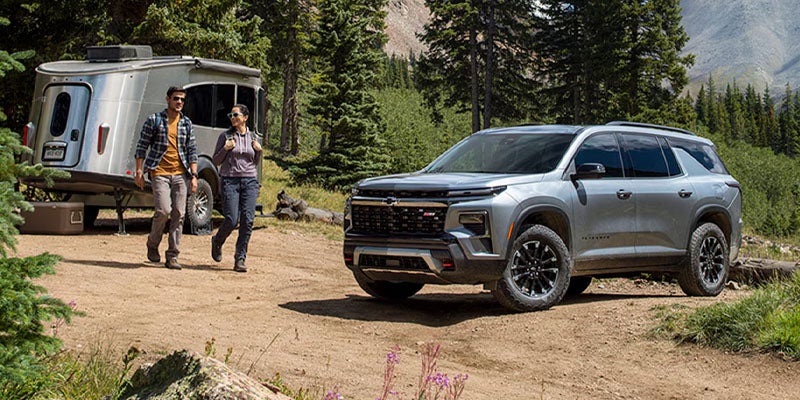
Why Gonzales SUV shoppers compare across size classes before choosing a model
The first decision is rarely about a badge alone. It is usually about how much SUV is actually needed. Some buyers are shopping for a family vehicle that can handle school pickup, grocery runs, and road trips without feeling oversized in daily use. Others want a more substantial SUV because passenger count and cargo demands are already consistent parts of the week. Chevrolet offers enough range in its SUV lineup that a shopper can easily move between categories while deciding. That makes local comparison behavior more intentional than it might look. People are not only looking for a Chevrolet dealer in Gonzales. They are trying to understand whether staying smaller makes the better long-term choice or whether moving up in size solves a genuine need.
This is also where shoppers can save themselves from a mismatch. Choosing a larger SUV simply because it appears more versatile can introduce tradeoffs in efficiency and day-to-day ease that never return enough value. Staying too small can create the opposite problem, where a vehicle feels manageable at first but becomes frustrating when the household needs more flexibility. The right decision begins with use, not with assumption.
Start with space before you compare pricing or trim content
Passenger room and cargo flexibility should guide the early part of the search because they shape nearly everything else. A two-row SUV can be the stronger fit when most driving is done with fewer passengers and lighter cargo loads. It remains easier to live with in tighter parking situations and can support a more efficient daily rhythm. A larger Chevrolet SUV becomes more valuable once the cabin regularly needs to support more people, more gear, or both at the same time. That added room matters most when it solves a recurring household need rather than an occasional one.
The decision gets clearer when you ask practical questions. How often will the rear area be full of groceries, sports equipment, strollers, or luggage? Will the SUV regularly carry adults or children in multiple rows? Is the third row something the household will rely on every week, or is it more of a backup convenience? Those answers make the next comparison more meaningful because they keep the buyer from treating every Chevrolet SUV as though it serves the same purpose.
- Choose a smaller SUV when daily maneuverability, lighter cargo demands, and routine commuting shape most of the ownership experience.
- Move up in size when added seating flexibility and cargo room support a regular family pattern rather than an occasional exception.
- Compare trim and price later once the correct size class is already clear.
That sequence helps a shopper decide with more confidence because it keeps the comparison grounded in how the SUV will actually function after the purchase.
Comfort and efficiency are part of the same decision
Many buyers try to separate comfort from efficiency, but the stronger approach is to evaluate them together. A smaller Chevrolet SUV may feel easier to park, less demanding in fuel use, and more natural for daily commuting. A larger SUV may deliver stronger highway composure, more breathing room for passengers, and more flexibility on longer trips. Neither direction is automatically better. The question is which set of tradeoffs aligns with the way the vehicle will be used most often.
For a driver whose miles are mostly local and repetitive, efficiency can carry more weight because the benefits show up every week. For a household that spends long stretches on the road with passengers and cargo, comfort and room may deserve priority even if the efficiency difference is noticeable. This is where buyers should think about driving patterns instead of looking for one perfect number. The best Chevrolet SUV is not the one with the strongest isolated efficiency figure or the largest footprint. It is the one that supports the daily routine without forcing unnecessary compromise.
That also means the comfort discussion should stay practical. Seat support, cabin quiet, visibility, and how relaxed the SUV feels on longer drives matter more than a feature headline by itself. When those factors are paired with the right size and efficiency profile, the SUV starts to feel like a better ownership fit rather than just a strong showroom impression.
Feature differences only create value when they improve ownership
Shoppers often reach the feature-comparison stage once the right size class begins to come into focus. This is where it becomes important to compare Chevrolet SUVs by trim and equipment rather than by model name alone. A feature only adds value when it improves the way the SUV is used day after day. A commuter may care most about intuitive infotainment, visibility, and seating comfort during repeated local driving. A family may place more weight on second-row flexibility, cargo-loading convenience, driver-assistance support, and the way the cabin manages longer trips with more passengers.
The stronger comparison is not simply whether one SUV offers more content. It is whether that content changes the experience in a lasting way. A move up in trim can make sense when the added features reduce stress, improve comfort, or better support the household routine. If the added equipment looks appealing but does not solve an ownership need, the simpler trim may represent better value. That is why feature comparison should stay connected to the shopper's priorities instead of becoming a checklist exercise detached from use.
- Daily drivers should prioritize comfort, connectivity, and features that make repeated local use easier.
- Families should compare seating flexibility, storage convenience, and driver-assistance content that supports fuller cabin use.
- Budget-conscious buyers should ask which upgrades improve ownership enough to justify the added cost over time.
That kind of comparison helps a buyer avoid paying for features that look impressive but do not meaningfully improve the way the SUV fits life in Gonzales.
Common questions when comparing Chevrolet SUVs in Gonzales
How do I know which Chevrolet SUV size is right for my household?
Start with how many people you carry most often and how much cargo room you need when the cabin is full. A two-row SUV can be the better fit for commuting and lighter family use, while a larger model makes more sense when third-row seating and added cargo flexibility solve a recurring need.
Should I prioritize comfort or efficiency when comparing Chevrolet SUVs?
That depends on how the SUV will be used most of the time. If daily commuting, parking ease, and fuel savings matter most, a smaller SUV may be the stronger choice. If longer family trips, more passengers, and broader cabin flexibility matter more, moving up in size can be worth the efficiency tradeoff.
What is the best way to compare local Chevrolet SUV prices?
Compare vehicles by size class, trim level, and feature content before using price as the deciding factor. A useful local price comparison looks at what the SUV includes, how it fits your routine, and whether the equipment justifies the difference in cost.
(Note: This article focuses on providing valuable information and does not mention specific pricing, for more information about financing and car buying, please reach out to our dealership.)