





Chevy Truck Comparison Hammond LA
Compare available Chevy trucks for your towing and daily driving needs in Hammond
Confirm which Colorado or Silverado configuration fits your workload
Call now to review Chevy truck availability before your visit
| Sales | ||
| Day | Open | Closed |
| Monday | 8:30AM | 7:30PM |
| Tuesday | 8:30AM | 7:30PM |
| Wednesday | 8:30AM | 7:30PM |
| Thursday | 8:30AM | 7:30PM |
| Friday | 8:30AM | 7:30PM |
| Saturday | 9:00AM | 5:30PM |
| Sunday | Closed | Closed |
Compare Chevy Trucks by Towing, Payload, and Daily Driving Needs in Hammond
Shopping for a Chevy truck in Hammond often starts with a familiar question: how much truck is enough? The Chevrolet lineup gives drivers several paths, but the right answer depends on what the truck needs to do most often. A driver who wants a capable daily truck with easier maneuverability may look closely at the Colorado. A driver who needs stronger towing, more cabin and bed configurations, and full-size confidence may move toward the Silverado 1500. A driver who regularly tows heavier trailers or carries demanding loads may need the added strength of the Silverado 2500 HD.
Ross Downing Chevrolet can help shoppers compare these trucks by use rather than by size alone. That matters because truck decisions are often shaped by competing priorities. Towing capacity may be important, but so are parking, fuel expectations, passenger comfort, bed access, payload, and long-term ownership value. A larger truck may solve a heavier workload, but it may not be the most practical fit if the truck spends most of its time commuting, running errands, or handling lighter weekend projects.
A clear truck comparison should move from daily routine to capability demand. What do you tow? How often do you tow it? What goes in the bed? How many passengers ride with you? Which driving conditions are common around Hammond and beyond? Those answers create a stronger path to the right Colorado, Silverado 1500, or Silverado 2500 HD.
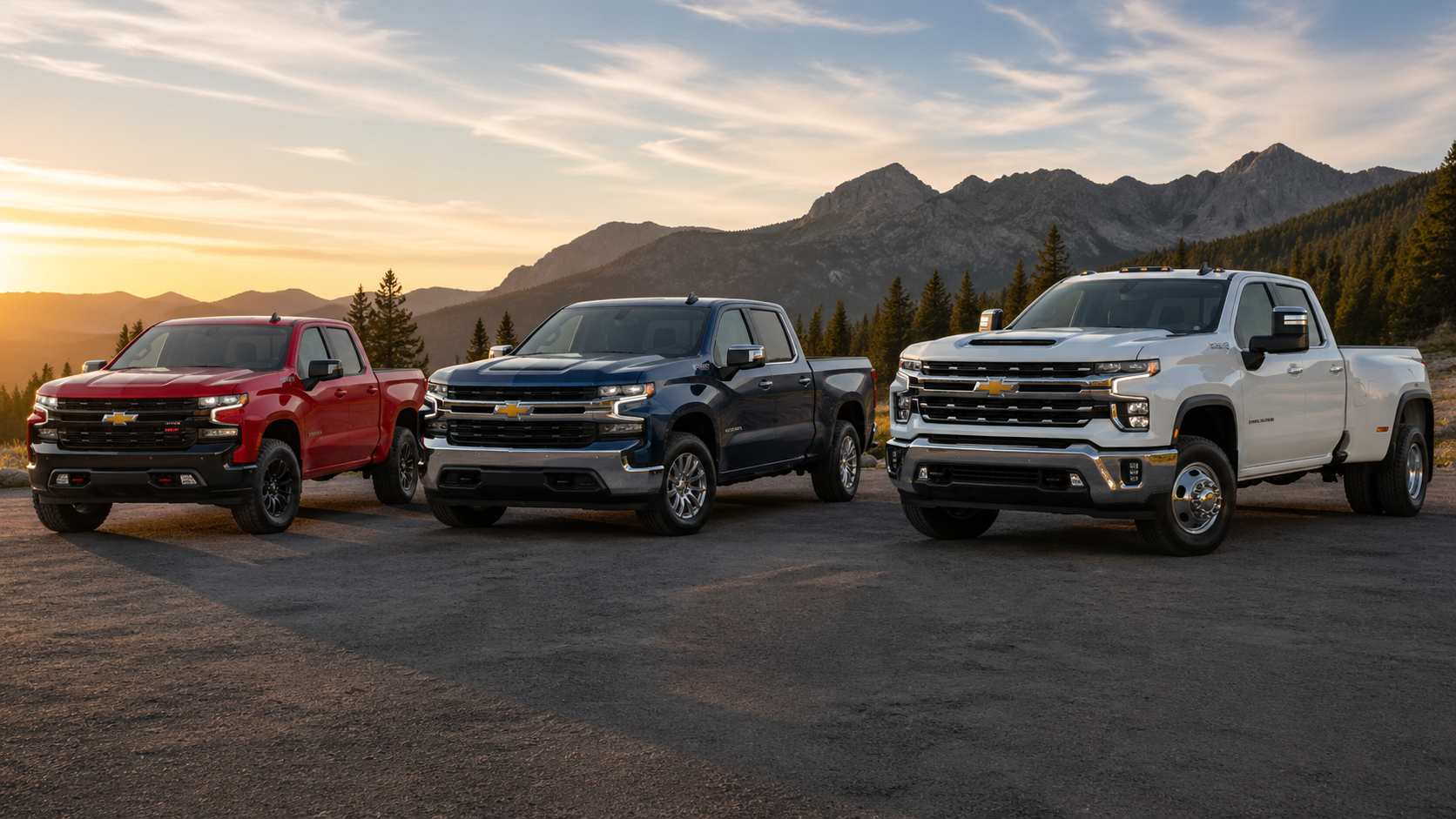
Colorado vs Silverado 1500: Choosing Midsize or Full-Size Strength
Many truck shoppers begin by comparing Colorado vs Silverado 1500 because both can serve daily driving, weekend use, and light work needs. The difference is how much room, power, and configuration flexibility the driver expects from the truck. The Colorado is a midsize pickup, which makes it a strong option for drivers who want Chevrolet truck capability in a more manageable footprint. It is easier to place in tighter parking areas, easier to live with during routine errands, and still capable enough for many drivers who carry gear, handle home projects, or tow smaller recreational loads.
The Silverado 1500 moves into full-size truck territory. That added size supports greater towing potential, broader engine availability, more cab and bed combinations, and more confidence for drivers who use their truck as both a daily vehicle and a work or travel tool. The Silverado 1500 may be the better fit for someone who regularly carries passengers, needs more bed space, plans to tow larger trailers, or wants more configuration choices before making a final decision.
The tradeoff is daily usability versus expanded capability. Colorado shoppers often prioritize maneuverability, balanced ownership costs, and practical utility. Silverado 1500 shoppers usually prioritize more room, stronger towing margins, and broader versatility. Neither answer is automatically better. A Colorado can be the smarter choice when the truck needs to fit daily life first. A Silverado 1500 becomes more compelling when the driver wants one truck that can handle more demanding towing, hauling, family, and travel needs without stepping into heavy-duty territory.
Silverado 1500 vs Silverado 2500 HD: When Heavy-Duty Capability Matters
The Silverado 1500 and Silverado 2500 HD are often compared by towing capacity, but the better question is how often the truck will be asked to handle heavier loads. The Silverado 1500 is built for drivers who need strong light-duty truck capability with daily comfort and broad flexibility. It can support a wide range of towing and hauling needs when properly equipped, making it a strong fit for boats, small to midsize campers, utility trailers, landscaping equipment, and work materials.
The Silverado 2500 HD changes the decision because it is built for heavier-duty demands. Its frame, suspension, powertrain options, braking confidence, and heavy-duty engineering are designed for drivers who tow or haul more substantial loads on a regular basis. That can include larger campers, equipment trailers, heavier work trailers, livestock trailers, or jobsite needs where added strength is not occasional but expected.
The decision tension is capability margin versus everyday practicality. A Silverado 2500 HD may provide the confidence a driver needs when towing is frequent, heavy, or central to work. However, if the heaviest towing only happens occasionally and the truck is primarily used for commuting, family driving, and lighter hauling, a Silverado 1500 may offer a better balance. The goal is not to choose the largest truck available. The goal is to choose the truck that gives enough capability without adding size, cost, or ride characteristics that do not match daily use.
For Hammond-area truck buyers, this distinction is especially important when comparing inventory. Two Silverado models may look similar in photos, but they are built for different ownership expectations. The Silverado 1500 is the more balanced full-size option. The Silverado 2500 HD is the stronger choice when heavier towing and payload needs define the purchase.
Towing, Payload, and Configuration: What Truck Buyers Should Confirm
Towing capacity and payload are connected, but they are not the same decision. Towing refers to how much weight the truck can pull behind it when properly equipped. Payload refers to how much weight the truck can carry in the cab and bed. A shopper towing a camper needs to think about trailer weight, hitch weight, passengers, cargo, and equipment. A shopper hauling tools, gravel, feed, construction materials, or recreational gear needs to pay close attention to payload.
This is where configuration becomes critical. Chevrolet truck capability can vary by cab style, bed length, engine, drivetrain, axle ratio, trailering package, and installed equipment. A maximum towing figure is useful for understanding the upper range, but it should not be treated as the rating for every truck on the lot. A Colorado, Silverado 1500, or Silverado 2500 HD must be evaluated by its actual equipped configuration.
Trailering technology can also shape confidence. Features such as tow/haul modes, available trailer views, integrated brake controller availability, hitch guidance, and trailering-focused systems can make towing more controlled and easier to manage. These systems do not replace choosing the correct truck, but they can support the driver once the right truck is selected.
Before deciding, shoppers should identify the heaviest trailer or load they expect to manage, how often that demand occurs, and whether passengers or bed cargo will be part of the same trip. A truck that appears capable based on model name alone may still need the right equipment to match the job. Confirming those details before visiting helps narrow the search to trucks that match actual use.
Daily Drivability, Work Needs, and Ownership Value
A truck that performs well on paper also needs to make sense in daily life. Colorado, Silverado 1500, and Silverado 2500 HD each serve a different ownership balance. The Colorado is often the most practical fit for drivers who want truck utility without full-size dimensions. It can be easier for commuting, downtown parking, driveways, and frequent short trips while still offering useful bed space and towing ability for many everyday needs.
The Silverado 1500 is the middle ground for many truck buyers. It gives drivers more passenger space, more towing confidence, and more configuration options than Colorado while remaining more manageable than a heavy-duty truck. This makes it a strong choice for drivers who need one vehicle for family use, home projects, weekend towing, and work support.
The Silverado 2500 HD should be considered when the truck’s workload is more demanding and more consistent. Its value is not only in higher capability ratings. Its value comes from confidence when the truck is regularly asked to work harder. For a driver who rarely approaches heavy-duty needs, that added strength may not be used enough to justify the tradeoff. For a driver who depends on towing or payload for work, travel, or equipment, the 2500 HD may be the more responsible long-term choice.
Ownership value comes from fit. A truck that is too small can create stress when towing or hauling. A truck that is more than the driver needs can add unnecessary cost and size. The right Chevy truck meets the demand without creating new friction.
Frequently Asked Questions About Buying a Chevy Truck in Hammond
Is the Chevy Colorado enough for towing?
The Colorado can be enough for many drivers who tow smaller trailers, outdoor equipment, or recreational loads, but the exact answer depends on the truck’s configuration and the trailer’s loaded weight. Shoppers should confirm the equipped towing rating before deciding.
When should I choose Silverado 1500 instead of Colorado?
The Silverado 1500 is worth choosing when you need more cabin space, more bed and cab configurations, stronger towing potential, or a truck that can handle broader family, work, and travel needs. Colorado may still be the better daily fit if maneuverability matters more.
When does Silverado 2500 HD make more sense than Silverado 1500?
The Silverado 2500 HD makes more sense when heavier towing or payload needs are frequent, not occasional. It is built for more demanding work, larger trailers, and greater capability margins than the Silverado 1500.
What is the difference between towing capacity and payload?
Towing capacity measures what the truck can pull behind it. Payload measures what the truck can carry in the cab and bed. Both matter because passengers, tools, hitch weight, and cargo can all affect how much usable capability remains.
What should I confirm before visiting a Chevy truck dealer in Hammond?
Confirm the model, cab, bed length, engine, drivetrain, towing equipment, payload rating, and available inventory. That helps ensure the truck you visit for is properly matched to your towing, hauling, and daily driving needs.