


Blog / Hammond Chevrolet Dealer

New Chevrolet Tahoe Review

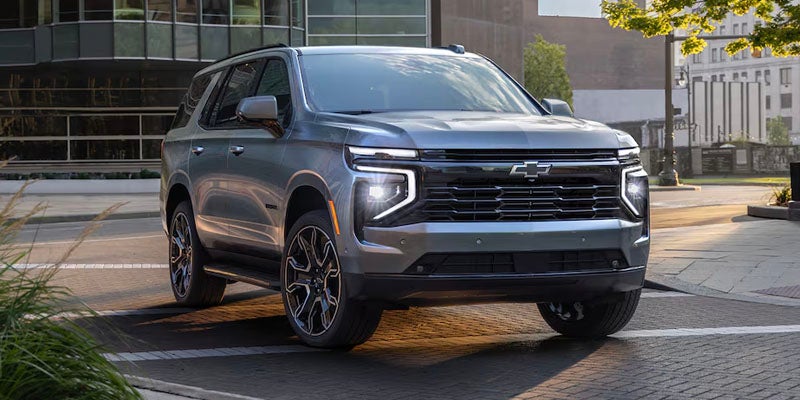
A gray Chevrolet SUV with illuminated headlights is parked on a city street.

A full-size SUV needs to carry more than passengers. It must handle luggage, weekend equipment, highway travel, and occasional towing without disrupting your plans. This Chevrolet Tahoe review examines the details worth checking before selecting a three-row SUV. Seating arrangements, engine choices, suspension design, and trim equipment all deserve attention. The 2026 Tahoe provides a useful starting point, although individual model years and configurations may differ.

Chevrolet Tahoe Interior Space and Seating

The Chevrolet Tahoe offers three rows of seating with room for up to nine passengers in select configurations. Most 2026 models seat eight with a second-row bench. Available captain's chairs reduce capacity to seven while providing an open pathway between those seats. The LS offers a nine-passenger arrangement for households needing another seating position.

However, passenger capacity tells only part of the story. Access to the third row matters when children, adults, or car seats occupy the second row. Captain's chairs provide a center aisle, while a bench provides another seating position. Therefore, households should compare both arrangements before choosing a configuration.

Cargo space changes as passengers fill the cabin. The 2026 Tahoe provides up to 122.7 cubic feet with the second and third rows folded. That figure represents maximum storage space, not the room available behind occupied seating.

With all three rows upright, cargo volume measures approximately 25.5 cubic feet. Folding the third row opens a larger loading area for luggage, sports equipment, or bulky supplies. Consequently, the number of passengers traveling together should guide cargo planning.

Consider loading a stroller, several suitcases, or camping equipment during your evaluation. Measure large items and check whether they fit without folding needed seats. Also examine the liftgate opening, cargo floor height, and access to rear storage compartments.

Chevrolet Tahoe Ride Quality and Everyday Driving

The Tahoe uses a truck-based platform with body-on-frame construction. This architecture supports its substantial dimensions and towing strength. However, the large footprint also deserves attention during city travel and parking.

An independent rear suspension gives each rear wheel room to move separately. As a result, uneven pavement on one side does not require both rear wheels to follow the same movement. Suspension tuning, tire selection, and vehicle weight also shape the ride.

Available Magnetic Ride Control uses electronically adjusted dampers to respond to changing wheel movement. Four-Corner Air Ride Adaptive Suspension can adjust vehicle height on equipped models. These features provide additional adjustment options, although equipment varies by trim and package.

Wheel selection deserves attention as well. Larger wheels with shorter tire sidewalls can transmit sharper impacts through the cabin. Smaller wheel configurations with taller tire sidewalls provide another setup to evaluate.

The Tahoe's size becomes apparent when entering narrow parking spaces or navigating crowded lots. Therefore, a test drive should include turns, parking maneuvers, and uneven pavement. Check outward visibility and how easily you can judge the vehicle's corners.

For highway travel, evaluate cabin noise, seat support, and steering response at steady speeds. Also consider how comfortably passengers can enter and leave each seating row after a long trip.

Chevrolet Tahoe Engine Choices and Towing

Chevrolet offers three engines for the 2026 Tahoe. Each uses a ten-speed automatic transmission, but the power delivery varies. Engine selection should begin with planned travel, trailer weight, and fuel preferences.

The standard 5.3L EcoTec3 V8 produces 355 horsepower and 383 lb-ft of torque. It provides a gasoline option across most Tahoe trims. The 6.2L EcoTec3 V8 increases output to 420 horsepower and 460 lb-ft of torque. It comes standard on High Country and is available on select other trims.

Additionally, the available 3.0L Duramax turbo-diesel produces 305 horsepower and 495 lb-ft of torque. Its substantial low-speed torque makes it worth researching for sustained highway travel and trailering.

Fuel requirements differ between these engines. Chevrolet recommends regular gasoline for the 5.3L V8 and premium gasoline for the 6.2L V8. The Duramax requires suitable diesel fuel. Fuel availability and operating costs should be part of an engine comparison.

The 2026 Tahoe can tow up to 8,400 pounds when properly equipped. However, that maximum does not apply to every configuration. Engine selection, drivetrain, trailering equipment, passenger weight, and loaded cargo must be considered together.

When reviewing a Tahoe for towing, verify these items:

  • Vehicle-specific tow rating: Check the rating for the exact engine, drivetrain, and equipment combination before selecting a trailer.
  • Payload and trailer tongue weight: Account for passengers, cargo, and the weight transferred from the trailer to the tow vehicle.
  • Trailering equipment: Confirm the hitch, trailer brake controller, cooling equipment, and other required components for your planned trailer.
  • Trailer dimensions: Consider trailer length, frontal area, and handling characteristics alongside its loaded weight.

These checks give a more complete picture than the maximum towing figure alone. Before connecting a trailer, consult the vehicle's documentation and Chevrolet's trailering guidance.

Chevrolet Tahoe Technology and Driver Assistance

The 2026 Chevrolet Tahoe includes a 17.7-inch diagonal center touchscreen and an 11-inch Driver Information Center. The central display organizes navigation, media, phone functions, and compatible connected features. Meanwhile, the driver display presents vehicle information directly ahead of the steering wheel.

Google built-in compatibility provides access to supported services through the infotainment interface. Wireless Apple CarPlay and Android Auto connect compatible smartphones without a data cable. Some connected services require activation, subscriptions, or compatible devices.

The display layout is worth testing before choosing a trim. Check how quickly you can reach navigation, climate controls, audio settings, and frequently used menus. Also assess screen visibility in bright sunlight.

Driver assistance adds another layer of equipment to consider. Adaptive Cruise Control adjusts vehicle speed to maintain a selected following distance. HD Surround Vision provides camera views that assist with close-range maneuvering.

Available Super Cruise supports hands-free driving on compatible roads when its operating requirements are met. However, it is a driver-assistance feature, not autonomous driving. The driver remains responsible for attentive and safe vehicle operation.

Higher trims and optional packages introduce additional equipment, including expanded camera views and a Head-Up Display. Therefore, compare the actual equipment list of each vehicle before assuming a feature is included.

A showroom demonstration should cover camera views, display controls, phone pairing, and driver-assistance settings. Understanding these features before delivery makes their operation easier to evaluate.

Choosing a Chevrolet Tahoe Trim

The 2026 Chevrolet Tahoe lineup includes LS, LT, RST, Z71, Premier, and High Country. Each trim combines the same core three-row SUV layout with different equipment priorities. Understanding those differences makes the selection process more focused.

The LS provides the foundational Tahoe package, including the 5.3L V8, large center display, and standard driver-assistance equipment. It also offers the nine-passenger seating configuration.

LT adds comfort and convenience equipment, including leather-appointed seating, heated front seats, wireless charging, and a programmable power liftgate.

RST introduces distinctive exterior and interior styling. Its blacked-out details, red interior stitching, and available larger wheels create a different appearance. Select additional engines and equipment are available.

Z71 focuses on equipment suited to travel beyond paved roads. Its high-approach front fascia, skid plate, recovery hooks, and two-speed transfer case distinguish it from other trims.

Premier emphasizes cabin appointments, including heated and ventilated front seats, heated second-row seats, and an upgraded Bose audio setup.

High Country comes standard with the 6.2L V8 and Magnetic Ride Control. It also includes distinctive interior finishes, a Rear Camera Mirror, and a 15-inch Head-Up Display.

However, trim names alone do not confirm every included feature. Package selections can change seating, suspension, technology, and trailering equipment. Compare individual window stickers before narrowing your choices.

Deciding Whether the Chevrolet Tahoe Fits Your Needs

A Chevrolet Tahoe review should lead to a clear set of questions before inventory shopping. The most useful answers come from matching the SUV's dimensions and equipment with your actual plans.

Start with passenger capacity and cargo space. A household carrying seven people may need a different seating arrangement than one carrying four. Likewise, luggage requirements change when the third row stays upright.

Next, think about the routes you drive. City parking, interstate travel, uneven pavement, and trailer hauling place different demands on a full-size SUV.

Before selecting a specific Tahoe, work through these checks:

  • Seating and cargo: Confirm the required passenger arrangement and measure the space remaining for luggage with those seats occupied.
  • Engine and towing: Review the exact powertrain, trailer rating, payload, and necessary trailering equipment.
  • Ride and maneuvering: Test the suspension setup, parking visibility, steering response, and cabin comfort.
  • Trim and technology: Check which convenience, camera, and driver-assistance features come with the selected vehicle.

These steps can narrow the selection without relying on trim names or headline specifications alone. They also establish what to inspect during a test drive.

Ross Downing Chevrolet in Hammond offers a direct way to continue that evaluation. Browse the current Chevrolet Tahoe inventory to review available models and equipment. You can also explore the dealership's financing resources before visiting.

The final decision should reflect the passengers you carry, the equipment you transport, and the roads you travel. Comparing those needs with a specific Tahoe gives you a clear starting point for choosing your next SUV.
Posted in:

Related Posts

Corvette Convertible Features for the 2026 Stingray

Corvette Convertible Features for the 2026 Stingray

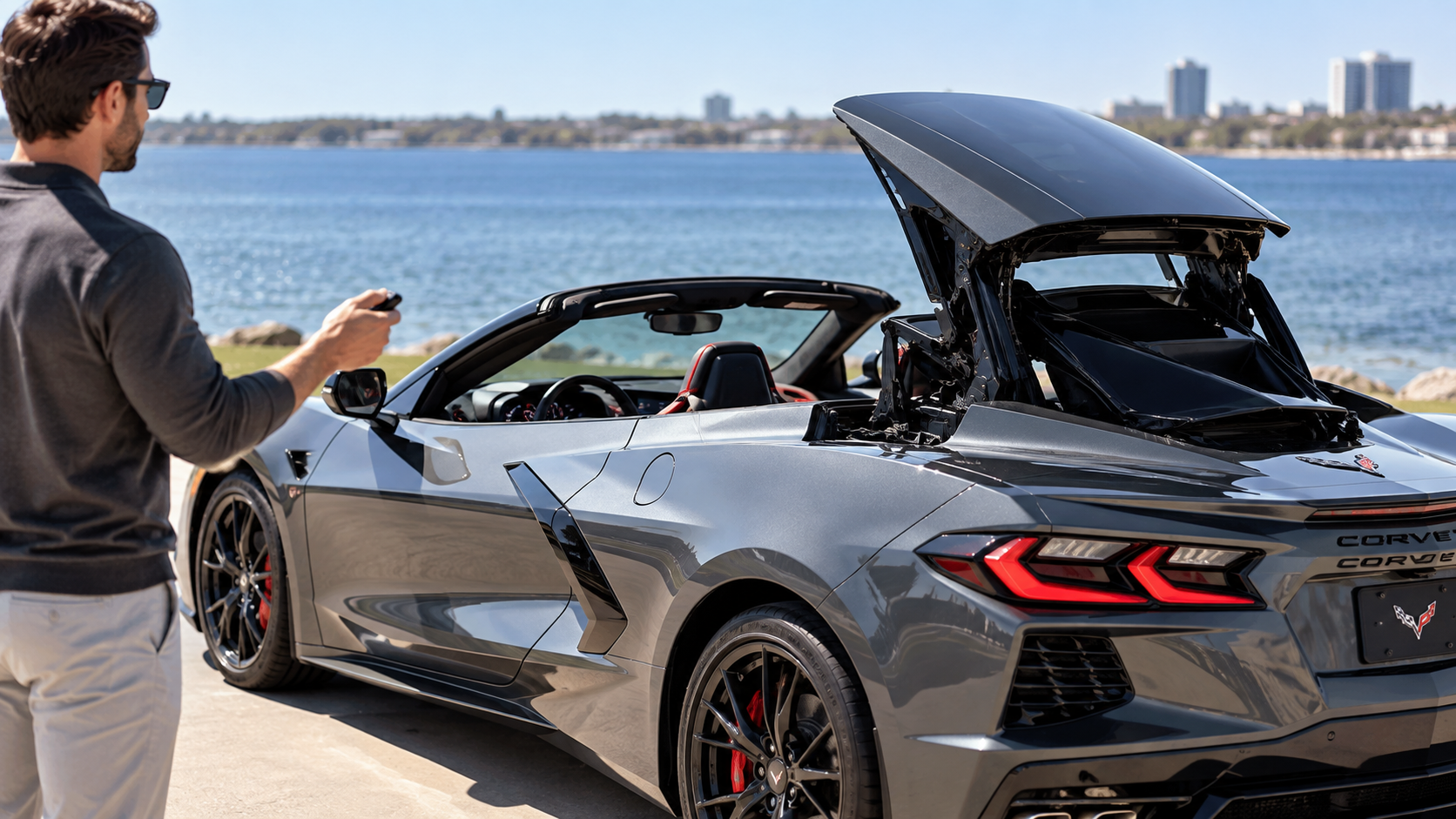
Corvette convertible features change how quickly you can open the cabin, manage cargo, and plan the purchase price. The 2026 Stingray offers both coupe and convertible body styles. However, both versions can give you open air driving. The coupe uses a removable roof panel. The convertible uses a power retractable hardtop. Therefore, the choice centers on roof operation, storage planning, and price. Both Corvette Body Styles Can Open the Cabin Corvette convertible features start with one important fact. The coupe can open the cabin too. Its roof panel lifts out manually and can travel with the car. By contrast, the convertible uses a powered hardtop that folds away at the touch of a control. Furthermore, that distinction changes the routine before a drive. With the coupe, you stop, remove the panel, and place it in the rear cargo area. With the convertible, you use the roof control instead. Therefore, both body styles reach a similar open cabin goal through very different steps. Still, the coupe offers a strong open air option for someone who enjoys removing the panel by hand. However, the convertible removes that manual step from the process. That can matter on a day with changing temperatures or sudden rain. You can compare current Corvette availability in the Ross Downing Chevrolet new inventory. That gives you a direct way to review body styles, trims, colors, and current pricing. How the Power Retractable Hardtop Changes the Routine Corvette convertible features become most noticeable when you open or close the roof. Chevrolet says the retractable hardtop can operate at speeds up to 30 mph. Therefore, you do not always need a full parking stop before changing the roof position. By contrast, the coupe requires more preparation. You need a safe place to stop, release the panel, lift it away, then secure it. The convertible replaces those steps with powered roof movement. As a result, opening the cabin becomes a faster part of the drive. Several differences shape that routine: The convertible roof opens or closes with powered operation, so manual panel removal is not required. The coupe roof panel must be removed by hand, then secured correctly in the rear storage area. The convertible roof can operate at speeds up to 30 mph, which adds another option during a trip. Still, the coupe has its own appeal. Some Corvette owners may enjoy the direct process of removing the roof themselves. Others may prefer pressing a control and keeping both hands free from panel handling. Therefore, think about how frequently you expect to open the cabin. Frequent roof changes may make powered operation more appealing. Occasional open air drives may make manual removal feel completely reasonable. What Happens to Corvette Storage Space Corvette convertible features also change how roof storage fits into travel plans. The coupe roof panel can be stored in the rear cargo area. However, that panel uses space you might otherwise reserve for bags or gear. For this reason, cargo planning matters when you want the roof off during a longer trip. A weekend bag, small suitcase, or shopping bags may need to share space with the panel. Therefore, the coupe asks you to plan cargo around the roof. The convertible handles roof storage differently. Its retractable hardtop folds into the body instead of occupying the same rear area. That changes the packing process before a top down drive. When comparing both body styles, consider these questions: Will you remove the coupe roof and carry it with you during most open air drives? Do you expect to travel with luggage, golf gear, shopping bags, or other cargo? Would powered roof storage make packing easier for the trips you take most? Furthermore, storage needs can change from one drive to the next. A short evening trip may require very little space. A weekend trip can make every available cargo area matter more. For this reason, look at the storage area in person before choosing. Bring a mental list of what you normally carry. Then compare that list with how each roof setup uses the available space. What the Convertible Price Difference Pays For Corvette convertible features also carry a higher starting price than the coupe. Current 2026 Stingray pricing shows a seven thousand dollar difference across listed 1LT, 2LT, and 3LT body styles. Moreover, the added cost is not simply about appearance. The convertible includes the hardware needed for powered roof movement and storage. Therefore, the price discussion should connect directly to how much you value that convenience. Think about the added cost through three questions: How many times each month do you expect to open or close the roof? Would manual roof removal become a chore during your normal driving plans? Is keeping rear cargo free from a removable roof panel important for your trips? The answers can make the price difference easier to evaluate. However, they will not be the same for every Corvette owner. You can review purchase options through the Ross Downing Chevrolet finance department. That page includes financing resources and an online credit application for a new Chevrolet purchase. Choosing Coupe or Convertible Around Your Driving Plans Corvette convertible features matter most when they match how you want to use the Stingray. The coupe gives you removable roof access with a hands on process. The convertible gives you powered roof movement without removing a panel yourself. Therefore, start with the moments when you would most likely drive with the cabin open. Think about weekend drives, short trips, longer travel, and quick changes in the forecast. Then consider how much roof handling you want during those moments. The coupe may suit someone who rarely removes the panel and wants a lower starting price. By contrast, the convertible may suit someone who plans frequent top down driving. Its powered roof makes those changes simpler during a trip. Additionally, cargo planning should enter that decision too. The coupe roof panel needs a storage location when you bring it along. The convertible stores its roof through the powered hardtop design. Therefore, your normal luggage and gear can shape which setup feels easier. You do not need to make the choice from specifications alone. Seeing both body styles can make the roof and cargo differences much clearer. You can contact Ross Downing Chevrolet to ask about current Corvette availability and arrange a closer look. Corvette convertible features are most useful when you plan to use them regularly. Compare the roof process, storage needs, and added price against your own driving plans. Then choose the Stingray body style that fits the way you want to enjoy the road.

Chevy Extended Warranty Options for Silverado Trucks

Chevy Extended Warranty Options for Silverado Trucks

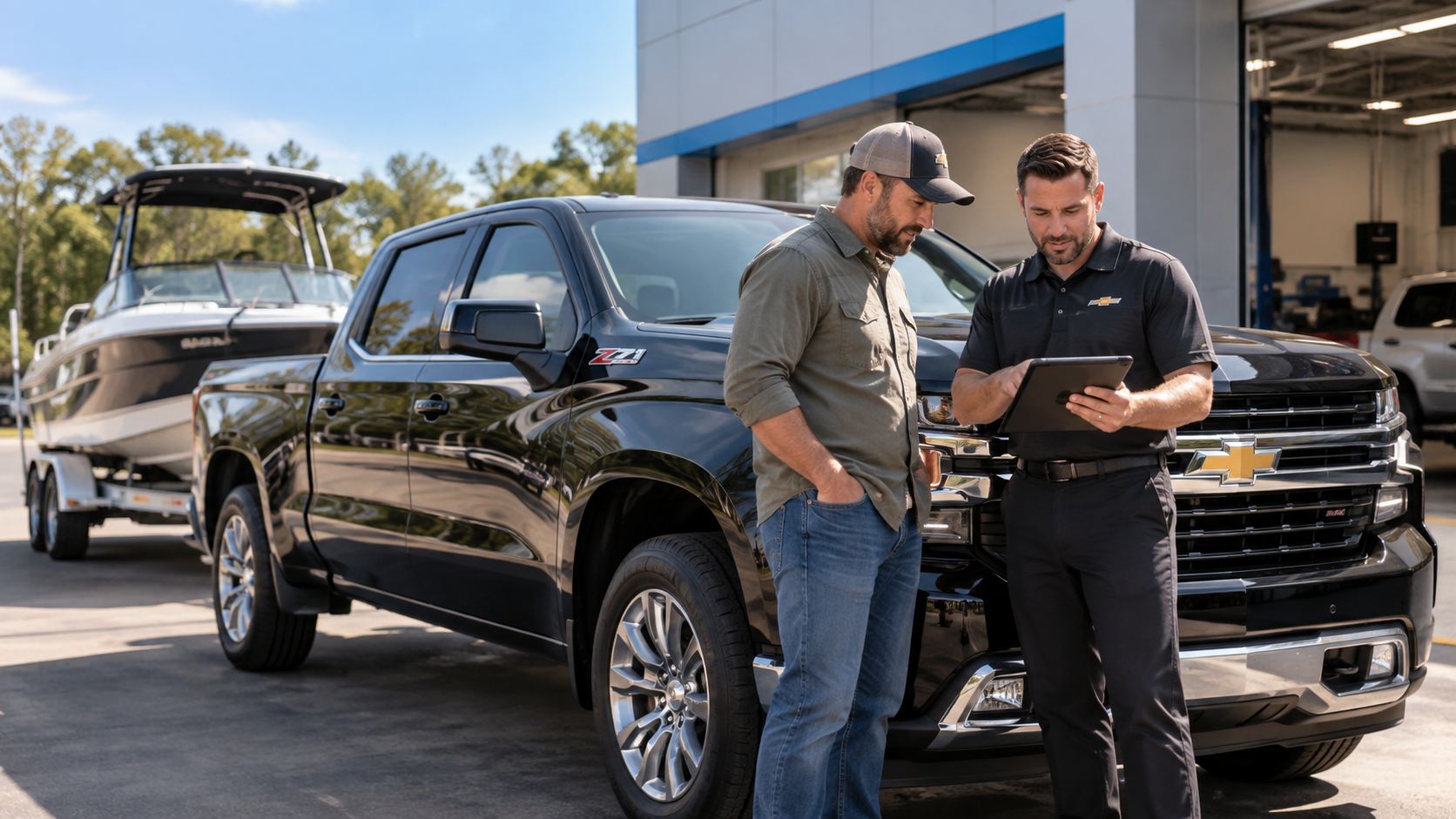
Chevy extended warranty options give Silverado owners another way to manage repair costs after factory protection ends. Additionally, a new Silverado already includes factory warranty protection from Chevrolet. Therefore, start by checking what your truck already has before adding another plan. Then compare plan length, deductible, covered parts, and how you plan to drive your truck. That process keeps the decision tied to your actual ownership plan. Start With the Silverado Factory Warranty A new Silverado includes factory limited warranty protection from Chevrolet. That protection begins when the truck enters service. Therefore, your in service date matters when you review any extra plan. The bumper to bumper warranty covers a wide range of parts for a set time and mileage limit. Powertrain protection lasts longer and focuses on major drivetrain parts. In addition, certain Silverado engines may carry different powertrain terms under Chevrolet warranty rules. Therefore, your exact engine and model year matter. If you are still comparing trucks, you can browse new Chevrolet inventory to review available Silverado models and configurations. Before adding another contract, check the factory term that remains on your truck. A Chevrolet Protection Plan may overlap with part of that factory term. Therefore, the calendar length of a plan does not tell the whole story. You should also review your annual mileage. High yearly mileage can move a truck through mileage limits sooner. By contrast, lower yearly mileage may leave more factory protection available for a longer period. Chevrolet also permits eligible owners to purchase a Protection Plan after the original sale. Still, the truck must meet current program requirements. That gives you room to compare your needs before choosing a contract. Compare Powertrain, Silver, and Platinum Protection Chevrolet offers Powertrain, Silver, and Platinum Protection Plan levels. Each level covers a different group of listed parts. Therefore, the plan name matters less than the component list inside the contract. Powertrain protection centers on major mechanical parts. Silver expands into more truck components. Platinum reaches further into electronics and driver technology. With that in mind, review what each tier adds before comparing prices. Powertrain focuses on listed engine, transmission, and drive components that can carry high repair costs. Silver adds listed steering, suspension, brake, electrical, and climate control components beyond the core drivetrain. Platinum adds more listed electronics, displays, navigation, parking assistance, and driver support components. Moreover, a Silverado with more electronic equipment may lead you toward a broader plan. However, a simpler repair risk goal may point toward narrower protection. Therefore, the contract should make that distinction clear. Do not stop at the covered part list. Additionally, check exclusions, repair authorization rules, deductible choices, and contract limits. Those details shape what happens when you file a covered repair claim. Compare Plan Cost With Your Ownership Timeline Is a Chevy extended warranty worth adding while factory protection still remains? The answer starts with your ownership timeline and budget. Therefore, start by estimating how long you expect to keep the Silverado. A short ownership period may leave much of the factory warranty active. By contrast, a longer ownership period can place more years outside that term. Next, compare your annual mileage with each plan limit. A driver who covers 20,000 miles each year will reach mileage limits sooner. Someone who drives 8,000 miles each year may reach the time limit first. Additionally, review the deductible. A lower deductible can reduce your bill during a covered repair. However, the contract price may differ between deductible choices. Compare both numbers before you decide. Use these points as your evaluation checklist: Confirm the remaining factory warranty time and mileage on your Silverado before adding another contract. Compare the Protection Plan term, deductible, covered part list, exclusions, and total contract price. Decide what size repair bill you could comfortably pay without shifting that risk into a protection plan. A protection plan trades a known contract cost for more predictable covered repair spending. Therefore, the comparison should stay grounded in your budget. It should also reflect how long you plan to keep the truck. If you want to compare protection costs alongside your purchase plan, the Ross Downing Chevrolet finance team can help you review available vehicle financing and extended warranty programs. Review Towing and Work Use Before Choosing Coverage Moreover, towing and work duty deserve a closer contract review. Silverado owners may pull trailers, haul equipment, or use their trucks for paid work. Therefore, those tasks can change what contract language deserves your attention. Does towing change warranty protection? Towing alone does not answer that question. The contract controls what qualifies as a covered repair. Therefore, you should read the terms before assuming a towing related failure will qualify. Regular trailer work can place added demand on brakes, cooling components, driveline parts, and suspension parts. However, a protection plan does not automatically cover every failure connected with those areas. Chevrolet contract language also addresses certain professional services and heavy duty applications. Some use categories may require a related optional selection when eligible. Consequently, business owners should describe their truck duty accurately when reviewing plan choices. Before selecting protection for a working Silverado, confirm these points: Explain how you use the truck, including trailer work, business driving, jobsite travel, or other paid work. Ask which contract terms apply to that use and whether any optional use selection is required. Review exclusions tied to misuse, improper towing, maintenance, modifications, and noncovered damage. This step matters for personal towing too. Your trailer weight, hitch setup, maintenance schedule, and operating habits all deserve attention. For this reason, contract review should happen before you assume a repair will qualify. Regular inspections can also help catch wear before a towing or work trip. You can schedule Chevrolet service with Ross Downing Chevrolet for inspections, maintenance, diagnostics, and warranty repairs. Choose a Plan by Reviewing the Contract, Not the Name Therefore, the final choice should connect the plan to your Silverado and your finances. Start with the factory warranty that remains. Then compare your expected ownership length, yearly mileage, deductible, and covered parts. A broader plan may make sense when you want more listed electronics and chassis components included. However, a narrower plan may fit someone focused mainly on major drivetrain repairs. Neither choice should come from the plan name alone. Before signing, read the contract and ask direct questions. Confirm the start date, mileage terms, deductible, exclusions, cancellation terms, transfer rules, and claim process. Additionally, ask how your normal towing or work duty fits the written terms. You can also compare the contract price with cash you already keep for repairs. That comparison gives the decision a clear financial frame. Beyond that, consider whether predictable covered repair costs matter more to you than paying repairs as they arise. A Chevrolet Protection Plan is another ownership cost, so it deserves the same review as financing or insurance. Read the details, compare the numbers, and connect the terms to how you will use your Silverado. You can also contact Ross Downing Chevrolet if you want to discuss current Silverado protection options before making a decision.

Chevy Equinox Features for a Family of Four in Louisiana

Chevy Equinox Features for a Family of Four in Louisiana

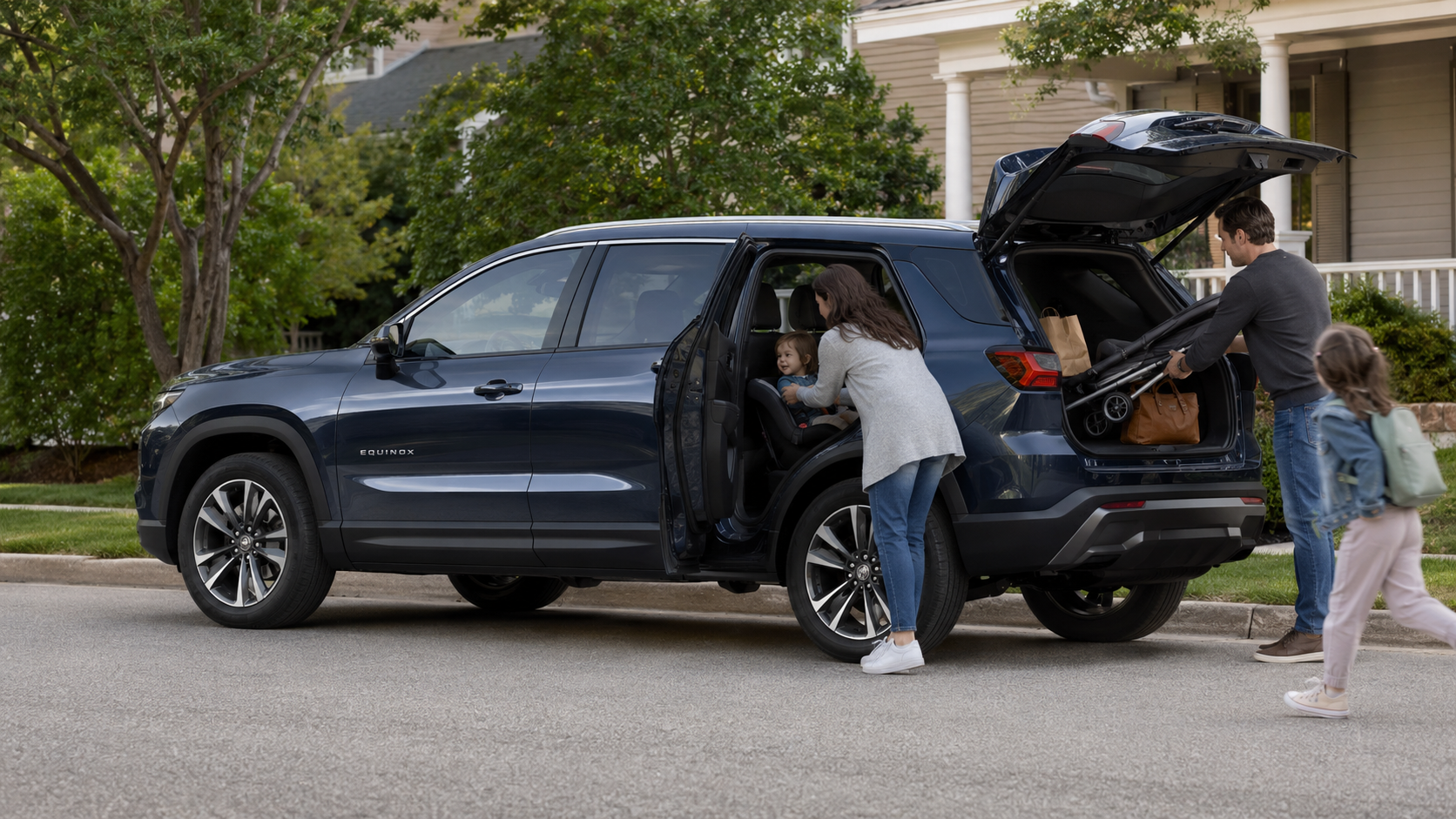
Chevy Equinox features can support a family of four when rear seat room, car seat access, and cargo space matter. In addition, family fit depends on how those areas work together during normal errands and longer trips. Two children may need car seats, backpacks, snacks, and room to grow. Therefore, rear seating must work with cargo space instead of competing with it. The Equinox gives families a five passenger cabin with useful second row room and flexible storage. Is the Chevy Equinox Big Enough for a Family of Four? Family fit means four people can sit comfortably while the cabin still carries the gear they need. The Equinox provides 39.9 inches of rear legroom and 39.2 inches of rear headroom. Therefore, children have room to sit behind adults without forcing the front seats unusually far forward. That space also gives older children more room as they grow. Rear legroom matters because child restraints use some of the same front to back space. A rear facing seat can extend toward the front seat. By contrast, boosters and forward facing seats use the bench differently. For this reason, families should test their own restraints before deciding whether the space works. In addition, the Equinox seats five people. A family of four can place two children across the second row while both front seats remain available. That layout leaves the center rear position open for small items or occasional use. Still, restraint width can change how much usable room remains between the two seats. Can Two Car Seats Fit in the Chevy Equinox? The Equinox second row provides two lower anchor positions for compatible child restraints. It also provides three top tether anchors for forward facing seats. Therefore, two child seats can use dedicated lower anchor locations without sharing one anchor point. Cars.com found room for two child restraints in its 2025 Equinox test. In addition, the lower anchors earned strong marks for access. That matters because easier access can reduce awkward reaching during installation. However, families should still follow the child restraint maker and vehicle instructions for each seat. Different restraint types change how the second row feels. Rear facing seats need more front to back clearance. Forward facing seats need a top tether connection. Boosters depend more on belt access and seat contour. Therefore, your current restraint type should guide the test fit. Before making a decision, check these points: Install both child restraints in the positions you expect to use every day. Confirm the front seats stay comfortable after the restraints are secured. Check buckle access, door opening space, and room around each child seat. Cargo Space With All Four Seats Occupied The Equinox provides about 29.8 cubic feet behind the second row. That means the cargo area remains usable while four people keep their seats. Therefore, families can load groceries, a stroller, backpacks, or sports equipment without folding the rear bench. Why does seats up cargo space matter? Families usually carry people and gear at the same time. Maximum cargo figures can look impressive, but they assume rear seating is no longer needed. In addition, daily errands rarely allow parents to fold the entire second row. The cargo floor also includes hidden storage beneath it. That area can hold smaller items away from larger bags. Items such as reusable bags, emergency supplies, cleaning supplies, or charging cables can stay separated. Furthermore, an available AutoSense power liftgate can make loading easier when both hands are full. Still, cargo shape matters as much as volume. A folded stroller may take more floor length than grocery bags. Likewise, sports equipment may stack differently than luggage. Therefore, families should bring the largest item they carry regularly when they test the cargo area. Folding the Rear Seat for Larger Loads A 60/40 split rear bench lets one section fold while the other remains upright. That gives families a way to carry longer items without giving up the entire second row. Therefore, one child can remain seated while part of the bench opens into the cargo area. With the rear seating folded, the Equinox provides up to 63.5 cubic feet of cargo room. That extra space can support larger household items or trip gear. However, the split design may matter more during routine family use than the maximum figure. A parent might fold the smaller section for a long box while keeping two seating positions available. Another family may fold the larger section while one child rides in back. In addition, the hidden floor compartment remains useful for smaller items that should stay separate. This arrangement gives the cabin more ways to handle changing loads. Instead of choosing between all passenger space or all cargo space, families can mix the two. Therefore, the split bench becomes useful when weekend errands look different from weekday routines. Know Where the Family Fit Has Limits The Equinox works well for two child restraints, but three across may not fit every restraint combination. Cars.com did not find room for three car seats across its test vehicle. Therefore, households expecting three child restraints should test carefully before choosing the Equinox. Why does this limit matter for a family of four? It may not matter today, but future seating plans can change. A growing household may later need another restraint, an adult passenger, or more rear seat width. For this reason, families should think beyond the current school year or current restraint stage. In addition, a five passenger rating does not mean every seating combination will feel equally roomy. Child restraints differ in width, shell shape, and belt path. Two narrow boosters may leave more center space than two wide convertible seats. Therefore, the most useful test is the one using your own family gear. A larger three row SUV may make more sense when you need extra seating positions or wider rear seat options. The Equinox remains a strong fit for many four person households because its cabin and cargo area work together well. Put the Space Together for Your Family The Chevy Equinox features that matter most for a family of four are easy to evaluate in person. Rear seat room, car seat placement, cargo space, and split folding all shape the final decision. Therefore, bring the items that define your normal week when you test the SUV. A useful family fit check includes: Bring both child restraints and install them in the second row. Load the stroller, sports bag, or largest item you carry regularly. Sit in every occupied seat and check entry, buckle access, and cargo reach. That test shows whether the Equinox fits your household without relying only on measurements. Ross Downing Chevrolet in Hammond offers in person reviews of seating, cargo room, and family fit. The right choice should support the people and gear you carry most.