


Blog / Hammond Chevrolet Commercial Fleet Dealer

Chevy Commercial Fleet Incentives for Silverado Buyers

Chevy Commercial Fleet Incentives for Silverado Buyers

Chevy commercial fleet incentives can be part of a Silverado purchase, but truck selection should come first. A small business needs a truck that matches its daily jobs. Therefore, start with towing, payload, cab space, bed needs, and planned equipment. Then review Chevrolet commercial programs that may apply to the purchase. Financing and tax questions belong in that same discussion.

Start With the Work Your Silverado Needs to Do

A Silverado for small business use should match the work assigned to it. Therefore, begin with the jobs the truck will handle each week. Those duties can point toward Silverado 1500, Silverado HD, or a specialized commercial configuration.

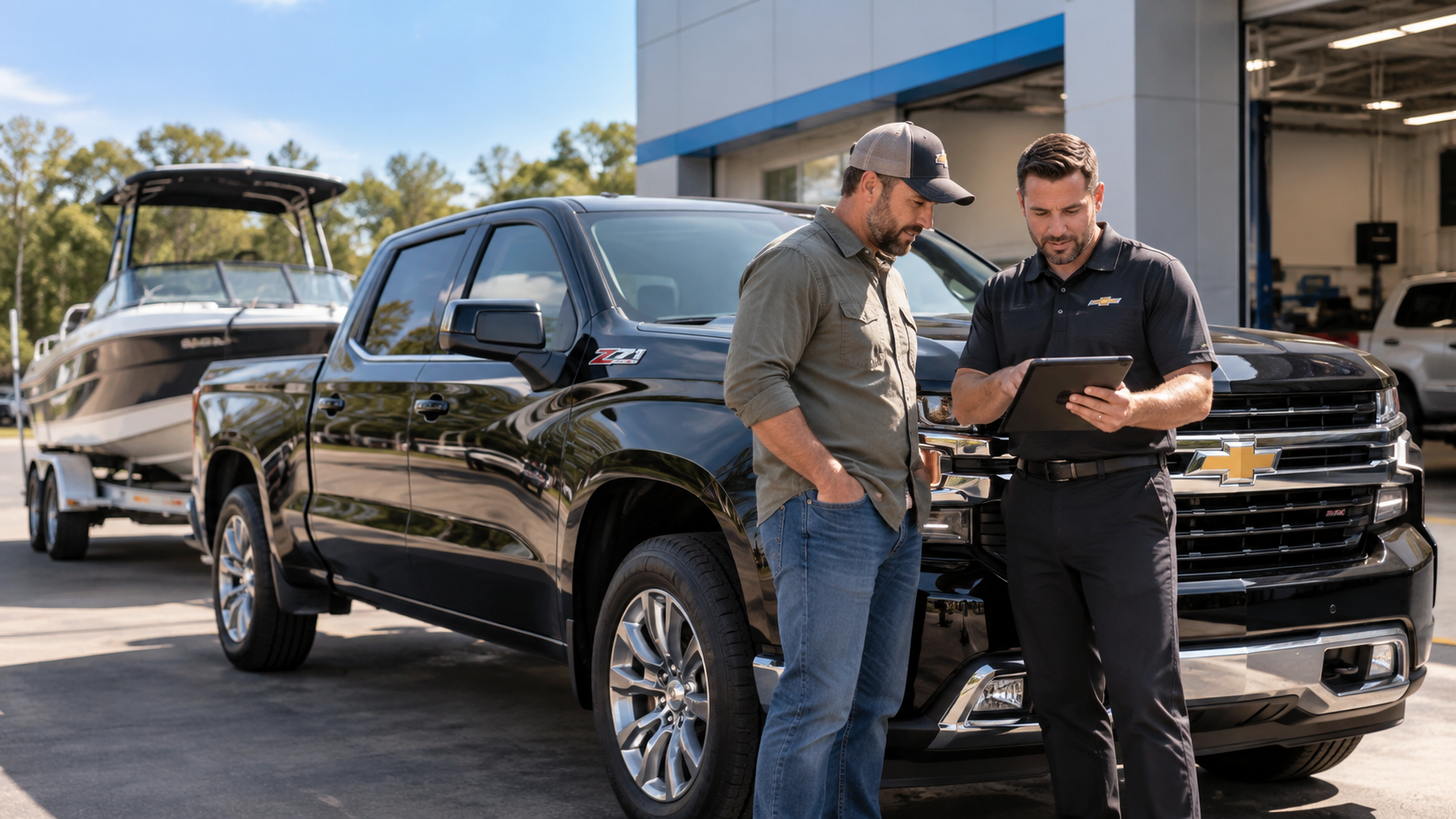
Silverado 1500 can serve businesses with lighter towing and hauling needs. It can also work for service calls, estimates, deliveries, and daily jobsite travel. However, heavier trailers or equipment may call for Silverado HD.

Your first review should cover several details:

  • Estimate the heaviest trailer the truck will pull and the equipment it will carry.
  • Decide how much passenger space the crew needs during a normal workday.
  • List the tools, racks, storage boxes, or other equipment that must travel with the truck.

Additionally, think about annual mileage. A truck that travels between jobs all day may need different priorities than one staying near one site.

Ross Downing Chevrolet lists both Silverado 1500 and Silverado HD models in its new Chevrolet inventory. Comparing both classes can make the size decision easier before you discuss incentives.

Match the Trim and Configuration to the Job

The trim name should follow the job. Therefore, a business should decide what the truck must carry before choosing cabin equipment or appearance features.

The Silverado WT is the starting work focused trim. Ross Downing Chevrolet currently lists WT configurations within its Silverado HD inventory. However, another trim may fit a business that spends more hours traveling between customers.

Cab configuration also deserves attention. A crew that travels together may need a Crew Cab. By contrast, a truck assigned to one person may not need as much rear seating.

Bed length can shape daily use too. Longer materials, tool storage, or larger equipment may call for more bed space. Still, parking space and route type should remain part of the decision.

Upfits should be discussed before the purchase is finalized. Common additions can include:

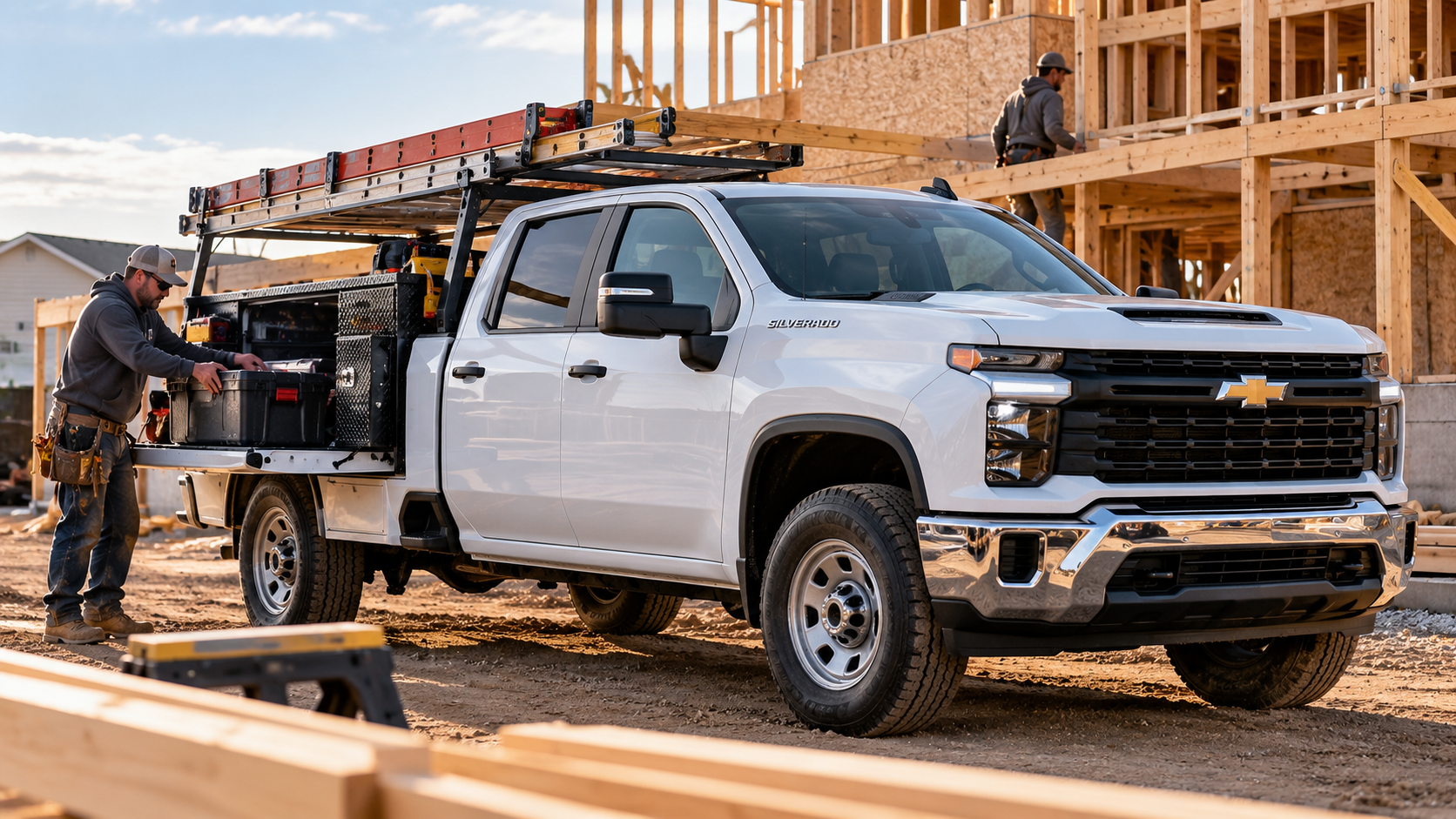
  • Bed protection, steps, tie downs, and tool storage for daily jobsite use.
  • Racks or storage equipment for businesses carrying long tools or materials.
  • Specialized bodies or equipment for trades that need a dedicated commercial setup.

The Ross Downing Chevrolet Silverado HD inventory provides a closer look at current heavy duty configurations. That can help a business compare WT with other available trims.

How Commercial Incentive Programs Differ

Chevrolet commercial offers do not all follow the same rules. Therefore, business owners should identify the program before comparing dollar amounts.

Chevrolet Business Choice is one program to review. Eligible customers may receive an allowance toward qualifying GM Accessories or an eligible upfit. However, eligible vehicles, amounts, and offer dates can change.

A fleet allowance follows different rules. GM Fleet requires qualified fleet status for its National Fleet Purchase Program. A Fleet Account Number is part of that qualification process.

That distinction matters for a small company purchasing one or two trucks. Business ownership alone does not confirm fleet eligibility. Therefore, ask which program applies before adding an allowance to the purchase calculation.

Retail Chevrolet offers can also appear on a truck at the same time. However, each offer has its own eligibility rules. Some programs may not combine with others.

Before counting an incentive, confirm:

  • Whether your business meets the current program requirements.
  • Whether the exact Silverado configuration qualifies for the offer.
  • Whether the offer can be combined with other current Chevrolet programs.

Current offers should always be verified at the time of purchase. Therefore, treat any advertised amount as time sensitive until the dealership confirms eligibility.

Build Financing and Tax Questions Into the Purchase

Truck selection and financing should be reviewed together. A small business may care more about monthly cash flow than the lowest possible payment alone.

Therefore, consider how long the business plans to keep the truck. Also review expected mileage and replacement timing. Those details can shape the preferred loan term and down payment.

The Ross Downing Chevrolet finance department provides financing resources and an online credit application. Current rates and programs can change, so direct confirmation remains important.

Tax treatment deserves a separate review with a qualified tax professional. Chevrolet currently publishes guidance for qualifying business vehicle deductions. However, vehicle weight and configuration can affect which rules apply.

A Silverado 1500 configuration may not receive the same tax treatment as another Silverado. Therefore, do not assume every truck qualifies for the same deduction.

Before finalizing the purchase, gather these details for your tax professional:

  • Exact model and configuration, including bed length and gross vehicle weight rating.
  • Expected percentage of business use during the tax year.
  • Purchase timing and the date the truck will enter business service.

Tax law can change, and each business has its own circumstances. Therefore, dealership staff should not replace professional tax advice.

Prepare for a Small Business Truck Conversation

The most useful commercial truck discussion starts with specific information. Therefore, bring details about the work before asking which Silverado to purchase.

Know your towing needs, typical cargo, annual mileage, number of passengers, and planned equipment. Also identify whether the truck will stay with one employee or rotate through a team.

Furthermore, explain whether the vehicle will support construction, service calls, deliveries, agriculture, or another trade. That context makes it easier to narrow the configuration.

You should also bring questions about current Chevrolet programs. Ask whether Business Choice applies to the truck you are considering. Then ask whether your company qualifies for fleet status or another current offer.

Finally, compare the full acquisition cost. Include the truck, added equipment, financing, insurance, and planned maintenance. Then review any eligible commercial program separately.

A small business Silverado purchase works best when the truck and the financial structure support the same job. Start with what the truck must carry and tow. Then compare current Chevrolet offers against verified eligibility. You can contact Ross Downing Chevrolet to discuss current Silverado inventory and commercial purchase questions.
Posted in:

Recommended Posts

Chevy Maintenance Schedule for Louisiana Hurricane Season

Chevy Maintenance Schedule for Louisiana Hurricane Season

Chevy maintenance schedule checks take on added urgency before Louisiana hurricane season. Evacuation travel can place extra demands on your vehicle. Heavy rain can also expose weak tires, worn wipers, or a struggling battery. Therefore, preparing early gives you time to address problems before a storm approaches. Start with the parts that support starting, traction, visibility, braking, and longer travel. Start Hurricane Season With a Vehicle Inspection A pre storm inspection gives you a clearer picture of your Chevy before hurricane travel becomes necessary. Therefore, schedule the review before a named storm creates a rush for service. Start with the maintenance items already due for your vehicle. Your Chevrolet Owner's Manual provides the model specific schedule. In addition, the vehicle may provide oil life or service reminders through its displays. Routine maintenance is only one part of storm preparation. You also need to consider what a long evacuation trip may require. That can include extended driving, slow traffic, heavy rain, and repeated stops. Before hurricane season becomes active, review these areas: Check whether oil service, tire rotation, or another scheduled maintenance item is due soon. Inspect the battery, tires, brakes, wipers, exterior lights, and fluid levels before longer travel. Address warning lights or new vehicle noises before relying on the Chevy for evacuation travel. Furthermore, do not wait for a storm forecast to begin the process. Service departments can become busier as local preparation increases. Ross Downing Chevrolet provides online access to schedule Chevrolet service. Scheduling early gives technicians more time to identify items that need attention. Check the Battery and Tires Before Evacuation Travel A battery can start your Chevy today and still test weaker than expected. Therefore, a battery review should include more than looking at the terminals. A technician can inspect the battery case for cracks or leaks. They can also check the terminals for corrosion. In addition, battery testing can measure its current health. Why does this matter before a hurricane? Evacuation travel may involve repeated starts and long periods in traffic. Your phone charger, lights, climate controls, and other electrical items may also stay active. Tires deserve the same level of attention. The tread grooves move water away from the tire's contact area. Therefore, worn tread gives the tire less depth for moving water. Chevrolet identifies 2/32 inch as the replacement threshold for tread depth. However, tread depth should not be the only check before storm season. Review tire pressure when the tires are cold. Then look for uneven wear, cuts, bulges, or other visible damage. Additionally, inspect the spare tire if your Chevy carries one. A tire review should answer three direct questions: Does each tire have enough tread for the upcoming travel? Is the cold tire pressure set to the Chevrolet specification for your vehicle? Are there wear patterns or damaged areas that need inspection before a long trip? Furthermore, do not forget the tires simply because the Chevy drives normally on dry roads. Heavy rain places greater importance on tread and proper pressure. Prepare Visibility, Brakes, and Fluids for Heavy Rain Seeing the road clearly becomes critical during Louisiana rain. Therefore, inspect the wiper blades before storm season reaches its busiest period. Replace blades that streak, skip, chatter, or leave sections of the windshield uncleared. Also check the washer fluid level. A working washer can clear road spray, dirt, and debris from the glass. Exterior lights deserve a quick review too. Confirm that headlights, brake lights, turn signals, and hazard lights work. Heavy rain can reduce how clearly other drivers see your vehicle. Brakes should also be part of the inspection. Listen for grinding, squealing, or other new sounds. Additionally, note any vibration or unusual pedal feel. Fluid checks matter before longer travel. Review engine oil, coolant, brake fluid, and washer fluid according to Chevrolet service guidance. Address any visible leak before a long drive. These checks work together during wet travel: Clear wipers and working lights support visibility during heavy rain. Properly serviced brakes support controlled stopping in slow or crowded traffic. Correct fluid levels help prepare the Chevy for longer hours on the road. Still, maintenance cannot make flooded roads safe. Never drive into a roadway covered by floodwater. Turn around and use another route. Build a Louisiana Hurricane Vehicle Kit Your Chevy should also carry supplies that support you if travel slows or plans change. Louisiana emergency guidance includes water, food, lighting, first aid items, and personal documents. Keep the kit easy to reach. A sealed container in the cargo area can keep supplies together. However, medication, identification, and phones should remain accessible. A vehicle focused hurricane kit can include: Drinking water, shelf stable food, a flashlight, spare batteries, and basic first aid supplies. Needed medications, identification copies, a phone charger, rain gear, and basic hygiene items. A battery powered radio, simple tools, paper maps, and contact information for family members. Furthermore, fill the fuel tank before a storm reaches the area. Fuel demand can rise quickly during evacuation periods. A fuller tank also gives you more flexibility if routes change. Think about the people riding with you. Children, older adults, and pets may need additional supplies. Therefore, tailor the kit to the passengers who may travel in the vehicle. You should also keep footwear and clothing suited for rain. Wet shoulders, roadside stops, and power outages can make simple clothing choices more important. Schedule Service Before a Storm Creates Urgency The strongest time for hurricane vehicle preparation is before the forecast becomes urgent. That gives you room to handle repairs without racing against a storm timeline. When you schedule service, explain that you are preparing for hurricane season. Ask the technician to review the battery, tires, brakes, wipers, lights, and major fluid levels. Additionally, mention any warning lights or recent changes you have noticed. Small clues can help a technician narrow the inspection. You can use the Ross Downing Chevrolet service scheduler to request an appointment. The dealership also provides Chevrolet Certified Service for maintenance and repair needs. If your tires need attention, ask the service team to review tread depth and pressure. If the battery tests weak, discuss replacement before evacuation travel becomes necessary. You can also contact Ross Downing Chevrolet with service questions before scheduling. That can help you confirm what to bring or what inspection your Chevy may need. A hurricane plan should include more than supplies stored at home. Your vehicle may become a key part of evacuation, family transport, and daily travel. Therefore, prepare it before the storm calendar becomes crowded. Check the battery, tires, visibility items, brakes, fluids, fuel, and emergency supplies early. Then keep your Chevy ready for the travel decisions that hurricane season may bring.

Corvette Convertible Features for the 2026 Stingray

Corvette Convertible Features for the 2026 Stingray

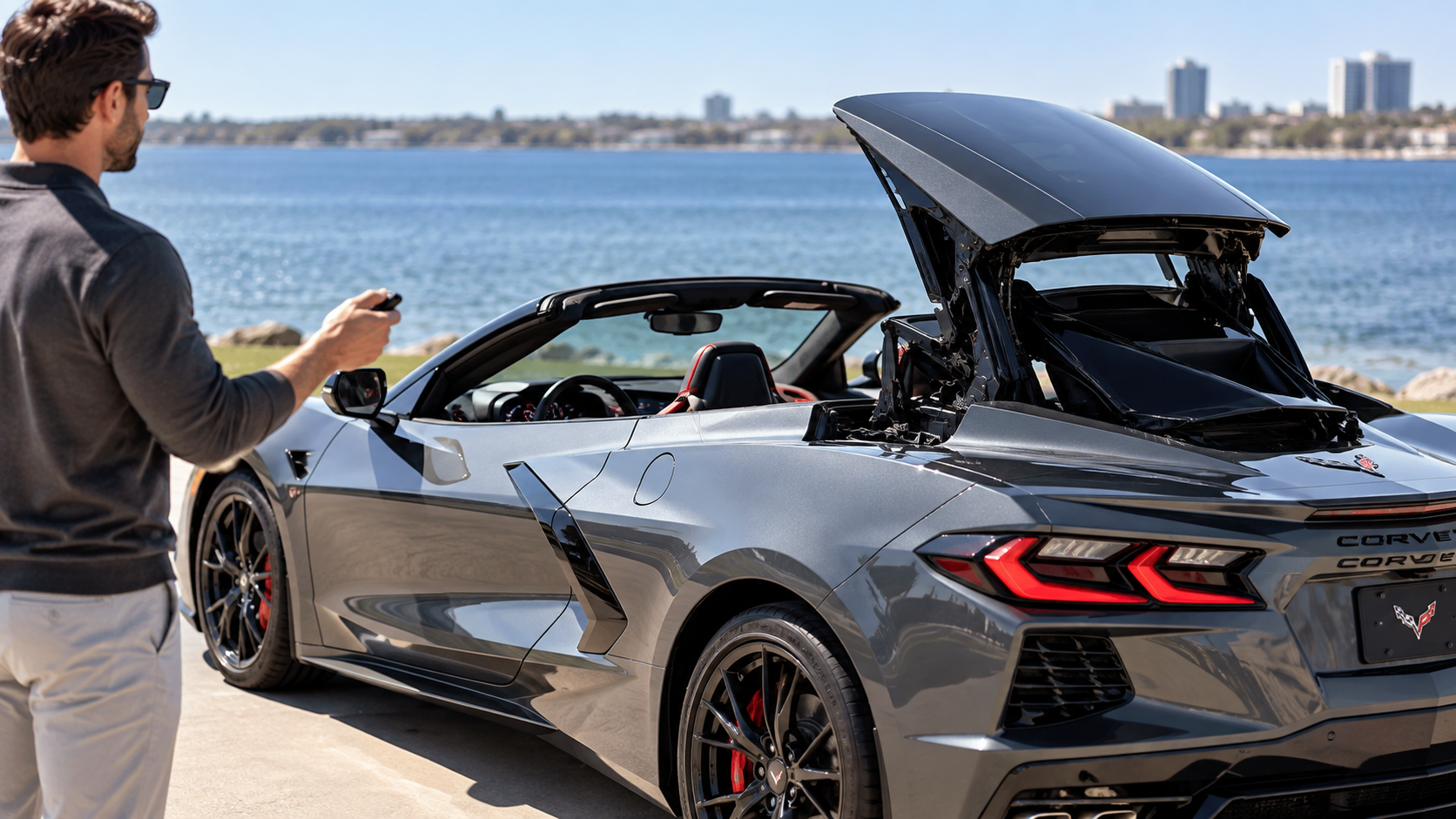
Corvette convertible features change how quickly you can open the cabin, manage cargo, and plan the purchase price. The 2026 Stingray offers both coupe and convertible body styles. However, both versions can give you open air driving. The coupe uses a removable roof panel. The convertible uses a power retractable hardtop. Therefore, the choice centers on roof operation, storage planning, and price. Both Corvette Body Styles Can Open the Cabin Corvette convertible features start with one important fact. The coupe can open the cabin too. Its roof panel lifts out manually and can travel with the car. By contrast, the convertible uses a powered hardtop that folds away at the touch of a control. Furthermore, that distinction changes the routine before a drive. With the coupe, you stop, remove the panel, and place it in the rear cargo area. With the convertible, you use the roof control instead. Therefore, both body styles reach a similar open cabin goal through very different steps. Still, the coupe offers a strong open air option for someone who enjoys removing the panel by hand. However, the convertible removes that manual step from the process. That can matter on a day with changing temperatures or sudden rain. You can compare current Corvette availability in the Ross Downing Chevrolet new inventory. That gives you a direct way to review body styles, trims, colors, and current pricing. How the Power Retractable Hardtop Changes the Routine Corvette convertible features become most noticeable when you open or close the roof. Chevrolet says the retractable hardtop can operate at speeds up to 30 mph. Therefore, you do not always need a full parking stop before changing the roof position. By contrast, the coupe requires more preparation. You need a safe place to stop, release the panel, lift it away, then secure it. The convertible replaces those steps with powered roof movement. As a result, opening the cabin becomes a faster part of the drive. Several differences shape that routine: The convertible roof opens or closes with powered operation, so manual panel removal is not required. The coupe roof panel must be removed by hand, then secured correctly in the rear storage area. The convertible roof can operate at speeds up to 30 mph, which adds another option during a trip. Still, the coupe has its own appeal. Some Corvette owners may enjoy the direct process of removing the roof themselves. Others may prefer pressing a control and keeping both hands free from panel handling. Therefore, think about how frequently you expect to open the cabin. Frequent roof changes may make powered operation more appealing. Occasional open air drives may make manual removal feel completely reasonable. What Happens to Corvette Storage Space Corvette convertible features also change how roof storage fits into travel plans. The coupe roof panel can be stored in the rear cargo area. However, that panel uses space you might otherwise reserve for bags or gear. For this reason, cargo planning matters when you want the roof off during a longer trip. A weekend bag, small suitcase, or shopping bags may need to share space with the panel. Therefore, the coupe asks you to plan cargo around the roof. The convertible handles roof storage differently. Its retractable hardtop folds into the body instead of occupying the same rear area. That changes the packing process before a top down drive. When comparing both body styles, consider these questions: Will you remove the coupe roof and carry it with you during most open air drives? Do you expect to travel with luggage, golf gear, shopping bags, or other cargo? Would powered roof storage make packing easier for the trips you take most? Furthermore, storage needs can change from one drive to the next. A short evening trip may require very little space. A weekend trip can make every available cargo area matter more. For this reason, look at the storage area in person before choosing. Bring a mental list of what you normally carry. Then compare that list with how each roof setup uses the available space. What the Convertible Price Difference Pays For Corvette convertible features also carry a higher starting price than the coupe. Current 2026 Stingray pricing shows a seven thousand dollar difference across listed 1LT, 2LT, and 3LT body styles. Moreover, the added cost is not simply about appearance. The convertible includes the hardware needed for powered roof movement and storage. Therefore, the price discussion should connect directly to how much you value that convenience. Think about the added cost through three questions: How many times each month do you expect to open or close the roof? Would manual roof removal become a chore during your normal driving plans? Is keeping rear cargo free from a removable roof panel important for your trips? The answers can make the price difference easier to evaluate. However, they will not be the same for every Corvette owner. You can review purchase options through the Ross Downing Chevrolet finance department. That page includes financing resources and an online credit application for a new Chevrolet purchase. Choosing Coupe or Convertible Around Your Driving Plans Corvette convertible features matter most when they match how you want to use the Stingray. The coupe gives you removable roof access with a hands on process. The convertible gives you powered roof movement without removing a panel yourself. Therefore, start with the moments when you would most likely drive with the cabin open. Think about weekend drives, short trips, longer travel, and quick changes in the forecast. Then consider how much roof handling you want during those moments. The coupe may suit someone who rarely removes the panel and wants a lower starting price. By contrast, the convertible may suit someone who plans frequent top down driving. Its powered roof makes those changes simpler during a trip. Additionally, cargo planning should enter that decision too. The coupe roof panel needs a storage location when you bring it along. The convertible stores its roof through the powered hardtop design. Therefore, your normal luggage and gear can shape which setup feels easier. You do not need to make the choice from specifications alone. Seeing both body styles can make the roof and cargo differences much clearer. You can contact Ross Downing Chevrolet to ask about current Corvette availability and arrange a closer look. Corvette convertible features are most useful when you plan to use them regularly. Compare the roof process, storage needs, and added price against your own driving plans. Then choose the Stingray body style that fits the way you want to enjoy the road.

Chevy Extended Warranty Options for Silverado Trucks

Chevy Extended Warranty Options for Silverado Trucks

Chevy extended warranty options give Silverado owners another way to manage repair costs after factory protection ends. Additionally, a new Silverado already includes factory warranty protection from Chevrolet. Therefore, start by checking what your truck already has before adding another plan. Then compare plan length, deductible, covered parts, and how you plan to drive your truck. That process keeps the decision tied to your actual ownership plan. Start With the Silverado Factory Warranty A new Silverado includes factory limited warranty protection from Chevrolet. That protection begins when the truck enters service. Therefore, your in service date matters when you review any extra plan. The bumper to bumper warranty covers a wide range of parts for a set time and mileage limit. Powertrain protection lasts longer and focuses on major drivetrain parts. In addition, certain Silverado engines may carry different powertrain terms under Chevrolet warranty rules. Therefore, your exact engine and model year matter. If you are still comparing trucks, you can browse new Chevrolet inventory to review available Silverado models and configurations. Before adding another contract, check the factory term that remains on your truck. A Chevrolet Protection Plan may overlap with part of that factory term. Therefore, the calendar length of a plan does not tell the whole story. You should also review your annual mileage. High yearly mileage can move a truck through mileage limits sooner. By contrast, lower yearly mileage may leave more factory protection available for a longer period. Chevrolet also permits eligible owners to purchase a Protection Plan after the original sale. Still, the truck must meet current program requirements. That gives you room to compare your needs before choosing a contract. Compare Powertrain, Silver, and Platinum Protection Chevrolet offers Powertrain, Silver, and Platinum Protection Plan levels. Each level covers a different group of listed parts. Therefore, the plan name matters less than the component list inside the contract. Powertrain protection centers on major mechanical parts. Silver expands into more truck components. Platinum reaches further into electronics and driver technology. With that in mind, review what each tier adds before comparing prices. Powertrain focuses on listed engine, transmission, and drive components that can carry high repair costs. Silver adds listed steering, suspension, brake, electrical, and climate control components beyond the core drivetrain. Platinum adds more listed electronics, displays, navigation, parking assistance, and driver support components. Moreover, a Silverado with more electronic equipment may lead you toward a broader plan. However, a simpler repair risk goal may point toward narrower protection. Therefore, the contract should make that distinction clear. Do not stop at the covered part list. Additionally, check exclusions, repair authorization rules, deductible choices, and contract limits. Those details shape what happens when you file a covered repair claim. Compare Plan Cost With Your Ownership Timeline Is a Chevy extended warranty worth adding while factory protection still remains? The answer starts with your ownership timeline and budget. Therefore, start by estimating how long you expect to keep the Silverado. A short ownership period may leave much of the factory warranty active. By contrast, a longer ownership period can place more years outside that term. Next, compare your annual mileage with each plan limit. A driver who covers 20,000 miles each year will reach mileage limits sooner. Someone who drives 8,000 miles each year may reach the time limit first. Additionally, review the deductible. A lower deductible can reduce your bill during a covered repair. However, the contract price may differ between deductible choices. Compare both numbers before you decide. Use these points as your evaluation checklist: Confirm the remaining factory warranty time and mileage on your Silverado before adding another contract. Compare the Protection Plan term, deductible, covered part list, exclusions, and total contract price. Decide what size repair bill you could comfortably pay without shifting that risk into a protection plan. A protection plan trades a known contract cost for more predictable covered repair spending. Therefore, the comparison should stay grounded in your budget. It should also reflect how long you plan to keep the truck. If you want to compare protection costs alongside your purchase plan, the Ross Downing Chevrolet finance team can help you review available vehicle financing and extended warranty programs. Review Towing and Work Use Before Choosing Coverage Moreover, towing and work duty deserve a closer contract review. Silverado owners may pull trailers, haul equipment, or use their trucks for paid work. Therefore, those tasks can change what contract language deserves your attention. Does towing change warranty protection? Towing alone does not answer that question. The contract controls what qualifies as a covered repair. Therefore, you should read the terms before assuming a towing related failure will qualify. Regular trailer work can place added demand on brakes, cooling components, driveline parts, and suspension parts. However, a protection plan does not automatically cover every failure connected with those areas. Chevrolet contract language also addresses certain professional services and heavy duty applications. Some use categories may require a related optional selection when eligible. Consequently, business owners should describe their truck duty accurately when reviewing plan choices. Before selecting protection for a working Silverado, confirm these points: Explain how you use the truck, including trailer work, business driving, jobsite travel, or other paid work. Ask which contract terms apply to that use and whether any optional use selection is required. Review exclusions tied to misuse, improper towing, maintenance, modifications, and noncovered damage. This step matters for personal towing too. Your trailer weight, hitch setup, maintenance schedule, and operating habits all deserve attention. For this reason, contract review should happen before you assume a repair will qualify. Regular inspections can also help catch wear before a towing or work trip. You can schedule Chevrolet service with Ross Downing Chevrolet for inspections, maintenance, diagnostics, and warranty repairs. Choose a Plan by Reviewing the Contract, Not the Name Therefore, the final choice should connect the plan to your Silverado and your finances. Start with the factory warranty that remains. Then compare your expected ownership length, yearly mileage, deductible, and covered parts. A broader plan may make sense when you want more listed electronics and chassis components included. However, a narrower plan may fit someone focused mainly on major drivetrain repairs. Neither choice should come from the plan name alone. Before signing, read the contract and ask direct questions. Confirm the start date, mileage terms, deductible, exclusions, cancellation terms, transfer rules, and claim process. Additionally, ask how your normal towing or work duty fits the written terms. You can also compare the contract price with cash you already keep for repairs. That comparison gives the decision a clear financial frame. Beyond that, consider whether predictable covered repair costs matter more to you than paying repairs as they arise. A Chevrolet Protection Plan is another ownership cost, so it deserves the same review as financing or insurance. Read the details, compare the numbers, and connect the terms to how you will use your Silverado. You can also contact Ross Downing Chevrolet if you want to discuss current Silverado protection options before making a decision.