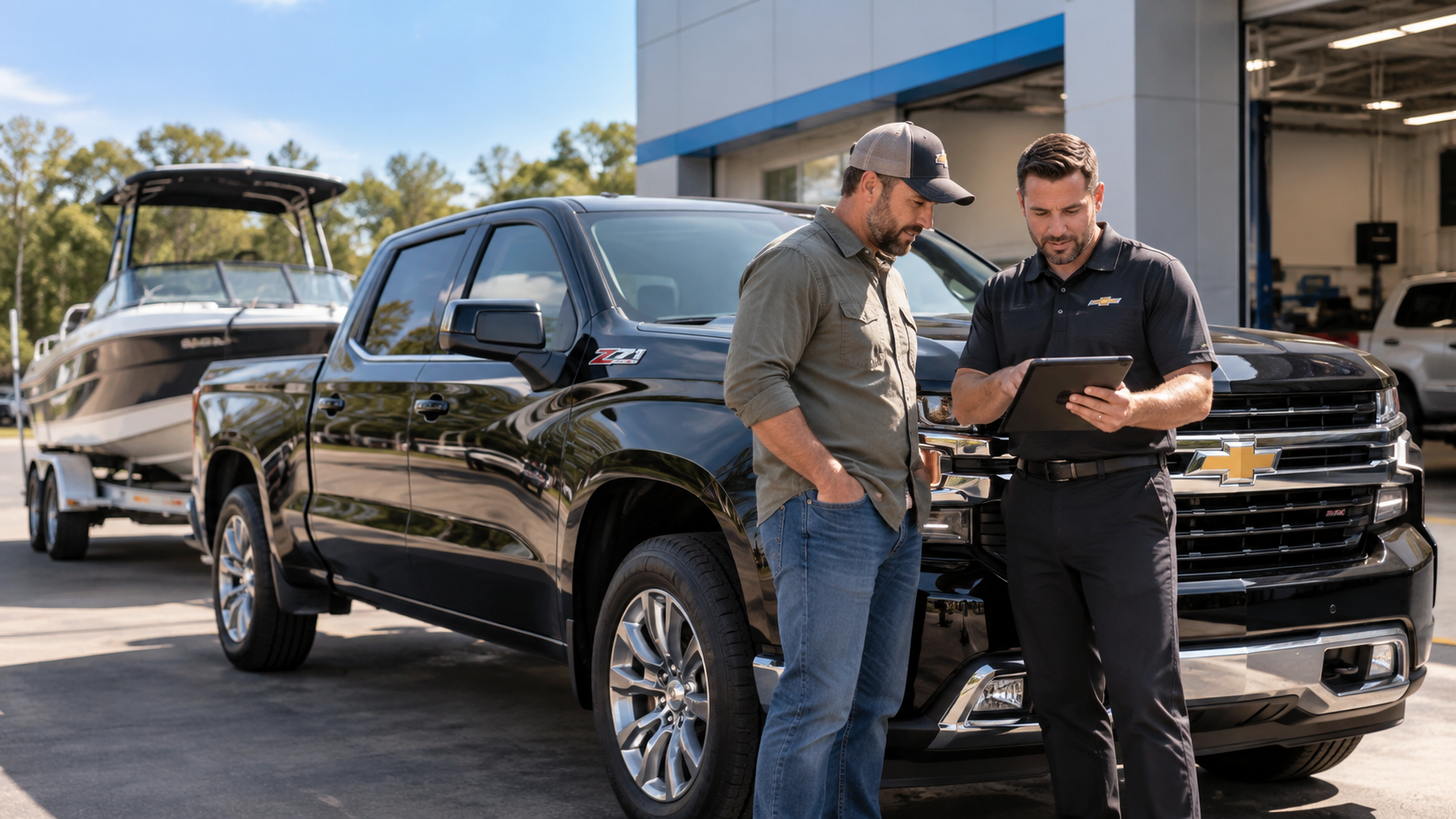





Best Silverado accessories for Louisiana work and play should fit how you use your truck. In addition, bed protection and towing hardware serve very different jobs. Therefore, the right setup starts with cargo, trailer type, and Chevrolet fitment. A Silverado used for jobsite tools may need different bed protection than one hauling weekend gear. Likewise, a fishing boat and utility trailer may call for different towing hardware. Knowing how each part works makes accessory planning much easier.
Choose Silverado Bed Protection Around Your Cargo
A truck bed liner protects painted metal from scratches, dents, abrasion, and direct cargo contact. However, each liner style handles those jobs differently. For this reason, the first question is simple: what will spend the most time in your Silverado bed? The answer should guide the material, coverage, and installation method you choose. Among the best Silverado accessories, bed protection earns attention because it takes direct contact from every load.
A spray in liner bonds to prepared bed surfaces and follows the shape of the box. Because it stays fixed in place, there is no separate shell moving against the metal. Its textured surface can also reduce cargo sliding. Therefore, this style can suit trucks carrying tools, building material, coolers, or outdoor gear.
By contrast, a molded liner uses a fitted barrier between cargo and the painted bed. It shields the floor, sidewalls, and wheel housings from direct impact. In addition, owners can remove many molded designs when they need access beneath the liner. Chevrolet offers Silverado liners matched to specific bed sizes, so verify box length before ordering.
A bed mat takes a simpler approach. It covers the bed floor instead of surrounding the full box. That makes it useful for owners focused on floor grip, cushioning, and easier removal. However, exposed sidewalls still need care when cargo rests against them.
Compare Spray In Liners, Molded Liners, and Bed Mats
Which bed liner fits how you use your Silverado? A spray in liner creates bonded coverage, a molded liner adds a fitted shell, and a mat protects the floor. Each approach changes how cargo contacts the bed.
In addition, the choice also changes cleaning and removal. Spray in material stays attached to the bed. Owners can lift out molded liners and mats when their construction permits. Therefore, owners who haul soil, mulch, wet equipment, or hunting gear should consider cleanup before choosing a style.
Furthermore, surface grip deserves equal attention. Smooth cargo can slide during braking or cornering if the bed surface offers little friction. A textured liner or rubber mat can reduce that movement. Still, tiedowns remain the main way to secure cargo. Bed protection should never replace proper restraints.
Before choosing a liner, consider these points:
- Choose full bed coverage when cargo regularly contacts the floor, sidewalls, or wheel housings.
- Choose floor focused protection when most loads stay low and sidewall contact is limited.
- Confirm the exact Silverado box length before ordering any fitted liner or mat.
Beyond that, Louisiana truck owners may carry very different loads through the year. Work tools, fishing equipment, lawn gear, and camping supplies place different demands on the bed. Therefore, the best Silverado accessories should reflect the loads you expect to carry most.
Pair Bed Protection With Other Silverado Accessories
Bed protection is only one part of a complete cargo setup. The best Silverado accessories should also work together without blocking mounts or tiedowns. Tonneau covers, storage boxes, dividers, racks, lights, and tiedowns may share the same mounting areas. For this reason, accessory order deserves attention before installation begins.
A liner can change access around factory holes, rails, or tiedown points. A storage box may also occupy space needed by a divider or cargo bar. Furthermore, some covers attach near the upper bed rails. Planning those pieces together reduces the chance of removing one accessory to install another.
With that in mind, start by identifying the equipment you expect to keep on the truck. Then compare mounting locations and required clearance. Chevrolet accessory listings use model year and box configuration to narrow fitment. Therefore, confirm those details before ordering any fitted part.
Owners who haul loose cargo should also think about restraint points. A liner may protect the bed surface, but tiedowns control movement. Cargo bars, dividers, and nets can organize lighter items. Heavier loads need restraints with ratings that match the load. In addition, tailgate clearance should remain part of the plan when storage equipment sits near the rear of the box.
Build the Correct Silverado Towing Setup
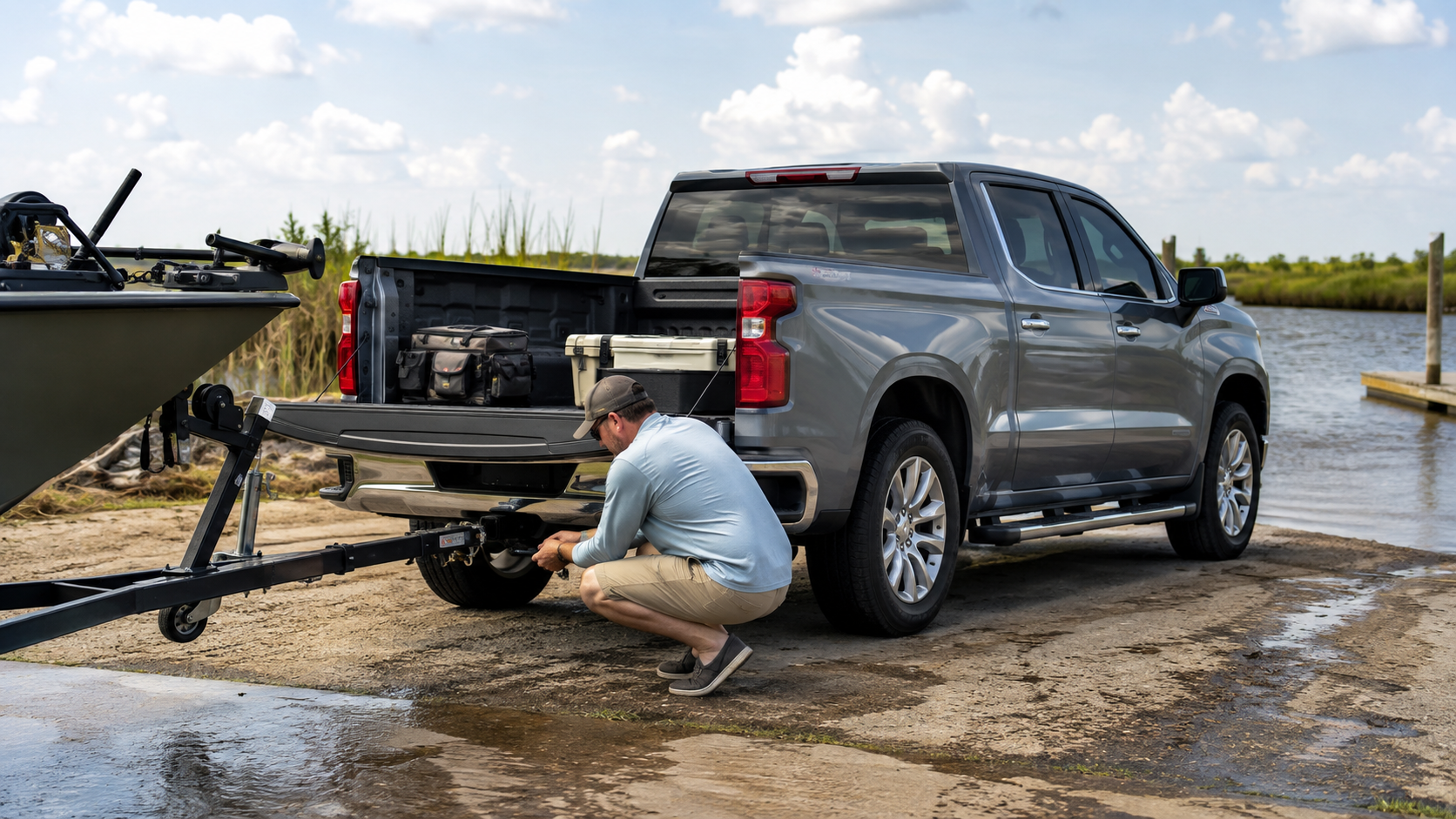
A factory receiver is only one part of a towing connection. For towing, the best Silverado accessories must match every connection point and stated rating. What towing accessories do you need before connecting a trailer? You need hardware that matches the truck, trailer coupler, trailer weight, and electrical connection.
The receiver provides the mounting point at the rear of the Silverado. A ball mount slides into that receiver and positions the hitch ball. The trailer coupler then locks over the matching ball. Because coupler and ball sizes must match, check ball diameter directly on the trailer.
Furthermore, ball mount height matters too. The trailer should sit close to level when connected on flat ground. Therefore, choose a mount with the correct rise or drop when needed. An incorrect height can place the trailer at an unwanted angle and change how load rests across the axles.
Trailer wiring carries lighting signals between the truck and trailer. Compatible electric trailer brakes also require a brake control connection. In addition, safety chains provide a secondary connection if the primary coupling separates. Each piece has its own job, so one component cannot substitute for another.
Check weight ratings across the whole connection. The truck, receiver, ball mount, hitch ball, coupler, and trailer each carry stated limits. Furthermore, passengers, cargo, and installed equipment count toward truck weight limits. The lowest applicable rating sets the ceiling for that part of the setup.
Match Towing Hardware to Work and Recreation
A utility trailer, fishing boat, camper, and equipment trailer do not always connect the same way. The best Silverado accessories for towing start with the trailer you plan to connect. Trailer weight, coupler height, braking equipment, and tongue load can change the hardware needed. Therefore, owners should build the towing setup around the trailer they plan to pull.
A lighter utility trailer may use a conventional receiver, ball mount, and matching hitch ball. In addition, a larger camper may add electric trailer brakes and weight distribution equipment. Heavier trailer designs may use a different connection style altogether. Check Chevrolet trailering information for the specific Silverado configuration before towing.
Weight distribution equipment uses spring bars to move part of the tongue load across the truck and trailer axles. That changes how load reaches the connected axles. However, select it only after reviewing trailer specifications and Chevrolet guidance.
Before the first haul, verify these items:
- Confirm the Silverado model, configuration, installed trailering equipment, and stated weight ratings.
- Match the hitch ball diameter and rating to the trailer coupler and expected loaded trailer weight.
- Check trailer lights, brake equipment, safety chains, connection height, and cargo securement before departure.