



Blog / Hammond Chevrolet Dealer

2026 Chevy Colorado Trail Boss for Sale Near Me Guide

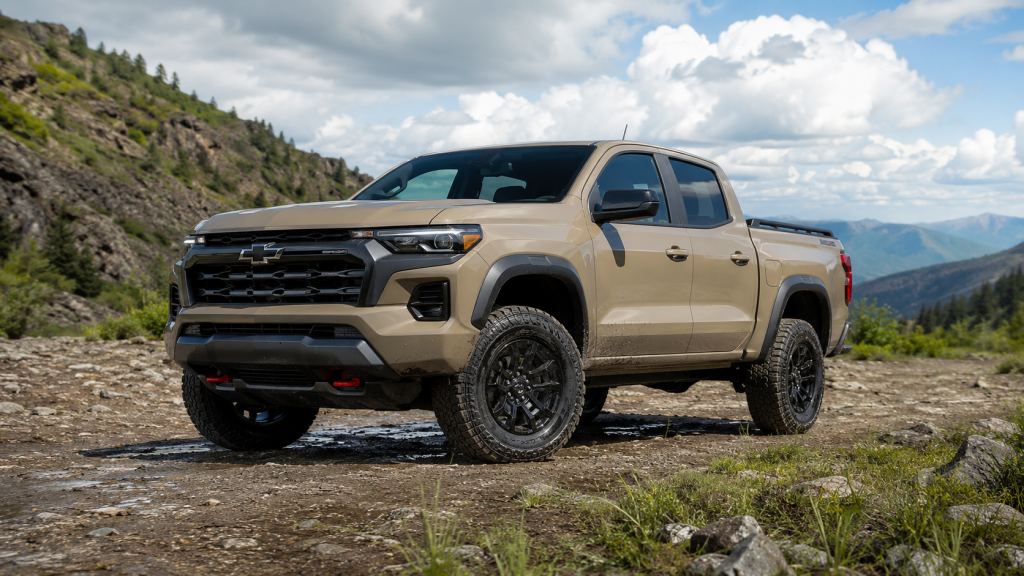
2026 Chevy Colorado Trail Boss for sale near me searches usually begin with one core question. What makes this trim stand apart? The answer comes from its factory lift, four wheel drive, all terrain tires, and trail focused hardware. Therefore, the Trail Boss offers more than a tougher look.

Every 2026 Colorado uses the same TurboMax engine output. The Trail Boss difference comes from chassis height, traction hardware, and drive controls. As a result, shoppers can focus on the trim parts they will use.

What Makes the 2026 Colorado Trail Boss Different?

Trail Boss adds a factory lift, all terrain tires, four wheel drive, and trail focused control hardware. In addition, the truck includes a two speed transfer case and four selectable drive modes.

The TurboMax engine produces 310 horsepower and 430 pound feet of torque. Therefore, Trail Boss does not gain extra power over WT, LT, Z71, or ZR2. Its value comes from how the truck sends and manages that power.

Standard four wheel drive sends engine force to both axles when selected. In addition, the two speed transfer case adds a low range setting. Low range multiplies wheel torque at slower speeds.

Moreover, the two inch factory lift raises key parts farther from the ground. Therefore, the truck gains more room over ruts, rocks, and uneven dirt. Still, wheelbase and line choice remain important during trail travel.

Trail Boss also uses 18 inch wheels with 32 inch all terrain tires. Their tread blocks and wider channels can grip gravel, dirt, mud, and grass. However, those tires may create more road sound than all season tires.

How the Trail Boss Off Road Hardware Works

The lift changes clearance beneath the truck. It also raises the step in height. Therefore, drivers should test entry, exit, and loading access before choosing the trim.

Furthermore, all terrain tires use a tread pattern made for mixed surfaces. Larger tread blocks press into loose ground. Wider channels also move dirt and mud away from the contact area.

However, tire choice still carries road tradeoffs. Steering response, sound, ride feel, and replacement price can change. For this reason, a highway test should follow the trail hardware review.

The two speed transfer case gives the driver high range and low range choices. High range supports faster travel on loose surfaces. Low range supports slower climbs, deep ruts, and careful obstacle travel.

Four selectable drive modes change throttle response, traction settings, and braking support. Off Road Mode suits loose dirt and gravel. Terrain Mode supports slow travel across steep or rough ground.

The off road display can show selected truck data during trail travel. With selected equipment, drivers can review pitch, roll, steering angle, and tire information. Therefore, the display adds useful feedback before a difficult section.

A transfer case shield adds coverage below a key driveline part. However, it does not cover every area under the truck. Drivers should inspect the planned route and avoid sharp impacts.

How Does Trail Boss Differ From WT and LT?

Trail Boss keeps the same engine output but adds a trail focused chassis and traction package. WT and LT place greater focus on work, commuting, and road travel.

WT starts with the core Colorado truck layout. It can suit jobsite tasks, fleet work, towing, and daily transport. LT adds more cabin and convenience equipment for regular road use.

By contrast, Trail Boss adds standard four wheel drive, the two inch lift, and all terrain tires. It also adds the two speed transfer case and four drive modes. Therefore, the trim change centers on traction and clearance.

Does Trail Boss have more towing strength than LT? Not from engine output alone. Colorado towing reaches up to 7,700 pounds when properly equipped.

The exact rating depends on the truck configuration and trailering equipment. In addition, payload must cover passengers, cargo, and tongue weight. Shoppers should review the door label and trailering information for each truck.

Trail Boss may fit drivers who divide time between pavement and unpaved routes. LT may fit drivers who spend most miles on roads. Therefore, the intended route matters more than exterior styling.

Trail Boss Versus Z71 and ZR2

Chevrolet Trail Boss, Z71, and ZR2 all use the TurboMax engine. However, their chassis, tires, suspension parts, and cabin equipment create three distinct choices.

Trail Boss focuses on core trail hardware at a lower entry price. It brings the factory lift, all terrain tires, four wheel drive, and low range gearing.

Z71 also uses 32 inch all terrain tires and four drive modes. In addition, it adds more lighting, cabin details, and road focused equipment. Therefore, Z71 may suit drivers who want trail tools with more cabin content.

ZR2 moves farther toward demanding trail work. It adds a three inch lift, 33 inch mud terrain tires, and Multimatic DSSV dampers. It also adds more underbody protection and another drive mode.

Those dampers control wheel movement across sharp impacts and repeated rough sections. The larger tires also add grip and clearance. However, they can bring added road sound and higher replacement costs.

Before choosing, compare these points:

  • Choose Trail Boss for core trail hardware without moving to the highest trim price.
  • Choose Z71 for mixed road travel with added lighting and cabin equipment.
  • Choose ZR2 for rougher trails, larger obstacles, and specialized suspension hardware.

No trim wins every route. Therefore, shoppers should match the hardware with the roads, trails, and loads they expect.

Who Should Choose a Colorado Trail Boss?

The Trail Boss fits drivers who want factory trail hardware without moving to ZR2. It also fits people who need one truck for commuting, property work, towing, and weekend dirt roads.

Before purchase, test the truck on city streets and a highway. Listen for tire sound and note steering response. In addition, check step in height and parking visibility.

Review the exact truck’s trailering equipment before planning a trailer. Confirm the hitch, wiring, brake controller, payload label, and stated tow rating. Therefore, the chosen truck can match the trailer from the start.

A 2026 Chevy Colorado Trail Boss for sale near me may include added packages and accessories. Compare the window sticker with the trim’s standard hardware. Then, confirm which items change price or function.

Ross Downing Chevrolet can show available Trail Boss trucks by color, package, and equipment. Bring details about your routes, trailer, passengers, and cargo. That information gives the trim review a clear purpose.

The Trail Boss earns its place through lift, tires, four wheel drive, and low range gearing. Therefore, it suits drivers who will use those parts beyond the showroom. A careful test drive can confirm whether that hardware fits daily roads and weekend trails.
Posted in:

Related Posts

Dealerships Near Me That Work With Bad Credit Guide

Dealerships near me that work with bad credit searches usually begin with uncertainty. Shoppers may wonder whether an application deserves review. Therefore, the process should start with facts, documents, and a realistic price range. Ross Downing Chevrolet can collect an application and send it to available lending partners. However, the lender makes the financing decision. Each lender reviews the requested loan, the applicant’s records, and the selected car. No dealership can promise approval, a certain rate, or a specific down payment. Still, preparation can make the conversation clearer. A complete application gives lenders the information needed for a full review. How Does Buying a Car With Bad Credit Work? The dealership gathers the application, while a lender reviews the requested loan and repayment risk. That review covers more than one credit score. First, the finance team collects identity, residence, employment, income, and credit information. The selected car also enters the request. Therefore, vehicle price and loan size matter from the beginning. Next, the dealership may send the application to one or more lending partners. Each lender applies its own standards. As a result, responses can differ across lenders. more A lender may approve the request, decline it, or request changed terms. Those changes may involve the loan amount, down payment, term, or selected car. In addition, the lender may request more documents before issuing a final response. Preapproval can provide an early look at possible financing terms. However, it is not the final contract. The lender may still verify income, identity, residence, and vehicle details. Dealerships near me that work with bad credit should explain each response clearly. Ask who issued the offer and which terms still need verification. Then review every number before choosing a car. What Lenders Review Beyond Credit Score Credit score gives lenders one snapshot of reported credit history. However, it does not show the entire application. Income records show how much money enters the household. Lenders may request recent pay stubs, bank records, or tax documents. Therefore, applicants should bring current documents that match the application. Existing debts also matter. Credit cards, personal loans, student loans, and other required payments reduce available monthly income. Consequently, lenders compare current obligations with the proposed car payment. Employment history may show income stability. Residence history may also support identity and contact verification. In addition, lenders may review prior auto loans and payment records. The selected car enters the review as collateral. Its price, age, mileage, and market value can shape the lender’s response. Therefore, two cars may create different financing outcomes for the same applicant. Applicants should prepare these items before meeting with the finance team: Bring a valid driver’s license, proof of residence, and recent income records. Bring insurance information, employer details, and any requested bank records. Bring trade documents, lender payoff details, and every key for the current car. Complete records do not guarantee approval. Still, they reduce missing information and repeated follow up. That makes the review easier to understand. How Does a Down Payment Change an Auto Loan? A down payment reduces the amount borrowed and changes the lender’s loan request. It may come from cash, trade equity, or both. For instance, a lower loan amount may create a lower monthly payment. It may also reduce the total interest paid across the term. However, the exact result rests on the rate and repayment length. No single down payment works for every applicant. Each lender reviews the full request. Therefore, no money down financing should never be assumed. Vehicle choice also changes the request. A lower priced car requires less financing than a higher priced one. As a result, choosing a different model may create another lender response. Trade equity can also reduce the amount financed. The dealership first appraises the current car. Then the dealership reviews the lender payoff against that offer. When the offer exceeds the payoff, the difference creates positive equity. That amount may support the next transaction. By contrast, a payoff above the offer creates a remaining balance. A remaining balance may enter the new loan when lender rules permit. However, that addition raises the amount financed. Therefore, shoppers should review the trade value and payoff separately. Dealerships near me that work with bad credit should explain these figures before paperwork begins. Ask for the purchase price, trade offer, payoff, down payment, and amount financed. What to Compare Before Accepting Financing A monthly payment shows only one part of the loan. Therefore, shoppers should review every major figure together. The annual percentage rate shows borrowing cost through a yearly percentage. The loan term shows how many months repayment will last. In addition, the amount financed shows the principal after selected credits and charges. A longer term may lower the monthly payment. However, it can raise total interest and extend repayment. Consequently, the smallest payment may not create the lowest total cost. Before accepting financing, review these figures: Confirm the vehicle price, taxes, fees, down payment, and amount financed. Compare the annual percentage rate, term length, monthly payment, and total of payments. Review optional products separately and confirm whether each one enters the loan. Ask whether any quoted term requires automatic payment, a certain down payment, or another requirement. Also ask whether the rate can change before signing. Read the retail installment contract before accepting the loan. The contract should match the discussed price and financing terms. Still, ask questions when any number looks unfamiliar. A clear comparison should use the same car price and down payment. Otherwise, two offers may appear closer than they are. Therefore, keep written copies for side by side review. How to Prepare for a Financing Conversation Preparation begins before the credit application. Review credit reports and note any entries that look incorrect. Then gather the documents a lender may request. Set a monthly budget that includes more than the payment. Insurance, fuel, maintenance, registration, and repairs also require money. Therefore, the chosen payment should leave room for those costs. A cosigner may enter the application when both people agree. However, the cosigner accepts full legal responsibility for the debt. Missed payments may appear on both credit files. An auto loan may add payment history when the lender reports it. Still, no loan guarantees a higher credit score. On time payments matter, along with every other reported account. Ross Downing Chevrolet offers online finance and preapproval forms. Applicants can submit information before visiting the dealership. However, final terms still require lender review and verification. Dealerships near me that work with bad credit should provide a clear next step without promising an outcome. Bring current documents, choose a realistic price range, and review the complete loan structure. That approach supports a direct and informed financing conversation.

Ross Downing Corvette 2026 E Ray Features Explained

Ross Downing Corvette shoppers may ask what makes the 2026 E Ray different from Stingray and Z06. Therefore, the answer starts with its split propulsion layout. Furthermore, a 6.2 liter LT2 V8 drives the rear axle. In addition, a separate electric drive unit powers the front axle. Together, those sources produce 655 horsepower. Therefore, the E Ray becomes the first Corvette with electrified all wheel drive. It also keeps the familiar sound and response of a V8 behind the cabin. However, the E Ray does not require plug in charging. Instead, the battery gathers energy during braking and selected driving events. That energy supports the front motor during launches and other moments requiring added traction. What Makes the 2026 Corvette E Ray Different? The E Ray pairs a rear mounted V8 with an electric motor at the front axle. That layout separates it from every other Corvette trim. Furthermore, the LT2 engine produces 495 horsepower. In addition, the electric drive unit adds 160 horsepower through the front wheels. Because each axle receives power from a different source, no front driveshaft links the engine to the front wheels. This design changes how the car leaves a stop. Stingray sends its launch force through the rear tires. By contrast, E Ray can place force through all four tires at once. more Moreover, that front torque arrives quickly. Therefore, the car can apply more of its combined output during hard acceleration. The added front traction also supports steadier launches on cool or damp pavement. Does the E Ray work like a fuel saving hybrid? No. Chevrolet uses electrification here to support acceleration and traction. The battery and motor serve the car’s road mission, not a long electric commute. Still, the E Ray includes Stealth Mode. This mode can move the car using electric power below 15 mph. It suits short driveway, garage, or neighborhood movements when lower sound matters. How Corvette All Wheel Drive Works Corvette all wheel drive in the E Ray uses two separate propulsion sources. The V8 powers the rear axle. The electric unit powers the front axle. Furthermore, the battery sits within the car and does not need a charging cable. Instead, it stores energy recovered during deceleration and braking. As a result, the car can send that stored energy to the front motor. When does the front motor work? It can support launches, corner exits, and other moments when front traction adds control. Therefore, the E Ray can divide force across four contact patches. A traditional all wheel drive layout may route engine power through a transfer case and driveshaft. The E Ray takes another path. Its front wheels receive electric power without a mechanical link to the V8. Beyond that, this arrangement changes packaging. Chevrolet can add front axle drive without running a long front driveshaft from the rear engine. As a result, the E Ray keeps the mid engine Corvette architecture. Drivers should still remember that all wheel drive does not remove tire limits. Tire type, tread depth, and surface temperature still shape grip. Therefore, proper tires remain central during colder months. The driver displays also show key information across three screens. These screens present drive data, media, and selected controls. During a test drive, check screen placement and menu access from the seated position. How the E Ray Compares With Stingray Stingray uses rear wheel drive, while E Ray adds electric front axle power. That single difference changes traction, output, weight, and price. Furthermore, the Stingray LT2 V8 produces 490 horsepower in standard form. The E Ray uses a related LT2 tune with 495 horsepower. It then adds the 160 horsepower front drive unit. Therefore, E Ray reaches 655 combined horsepower. Stingray keeps the simpler rear drive layout. Each choice appeals to a different Corvette shopper. Stingray may suit drivers who want the lowest Corvette entry price. It also keeps a lighter mechanical package. In addition, its rear drive layout carries the classic mid engine Corvette formula. E Ray suits drivers who want stronger launch traction. It also suits people who expect more road time during cooler or wetter months. The front motor gives those drivers another source of grip. Is the E Ray simply an all wheel drive Stingray? No. It adds a battery, front drive unit, wider body, and unique control logic. Those parts change more than the power figure. In addition, price should enter the review. The 2026 E Ray starts above the Stingray. Therefore, shoppers should confirm that added traction and electric torque match their plans. How the E Ray Compares With Z06 The E Ray and Z06 reach similar output through very different engineering paths. E Ray combines V8 power with an electric front axle. Z06 relies on a high revving LT6 V8 and rear wheel drive. Furthermore, the Z06 LT6 produces 670 horsepower. Its engine uses a flat plane crankshaft and reaches higher engine speeds. That design gives the Z06 a sharper track focused character. By contrast, E Ray uses immediate electric torque at the front axle. Its strength appears during launches and road acceleration. Therefore, it can deliver force across all four tires. Is the E Ray stronger than Z06? The answer changes by task. Z06 places greater focus on track response, braking, cooling, and sustained high speed work. E Ray places greater focus on traction and rapid street acceleration. Moreover, the two cars sound different. Z06 delivers a higher pitched exhaust note as the LT6 climbs through its rev range. E Ray keeps the deeper LT2 sound with electric support underneath. A shopper should test each car for the intended setting. Track days may point toward Z06. Year round road use may point toward E Ray. Price and options also deserve close review. A well equipped E Ray can move near Z06 pricing. Therefore, compare the exact build, body style, and included equipment. Who Should Choose the 2026 Corvette E Ray? The E Ray fits drivers who want V8 sound, electric front torque, and all wheel drive traction. It also fits shoppers seeking strong road acceleration without choosing the Z06 route. Before choosing, review these points: Choose E Ray when front axle traction matters during launches, cool mornings, or damp roads. Choose Stingray when lower entry price and a simpler rear drive layout carry more weight. Choose Z06 when track use, high engine speed, and sharper circuit response lead the decision. In addition, body style matters. The E Ray comes as a coupe or convertible. In addition, LZ levels change seating, audio, cameras, and cabin equipment. Ross Downing Corvette inventory may include several combinations. Therefore, compare the exact build instead of relying only on the trim name. Check the body style, LZ level, wheels, brakes, and listed options. The 2026 E Ray stands apart because its hybrid layout serves traction first. It keeps V8 power at the rear. Then it adds electric force at the front. That structure gives the E Ray a distinct place within the Corvette range. It is not a Stingray substitute or a Z06 copy. It is the Corvette for drivers who want electrified all wheel drive and rapid road acceleration.

Chevy Trade In Value and What Shapes Your Appraisal

Chevy trade in value starts with more than a year, make, and mileage entry. A final appraisal also uses inspection findings, history, local demand, and expected resale preparation. Therefore, an online estimate gives you a useful starting point. The inspected offer gives you a vehicle specific figure. This process works best when each step stays clear. First, the appraiser confirms the exact vehicle. Next, the review covers its physical state, records, and current market position. Then, the dealership presents a written offer based on those findings. How Is Chevy Trade In Value Calculated? A trade value combines vehicle details, inspection findings, history, market data, and expected resale preparation. Each input answers a different pricing question. The VIN confirms the model, trim, engine, factory equipment, and build details. Therefore, it prevents comparisons with a lower or higher trim. Mileage then places the vehicle beside similar examples from the same age range. Next, the appraiser reviews current local data. That review may include recent sales, wholesale activity, available inventory, and regional demand. As a result, two similar vehicles may receive different figures in different places. more An online tool cannot inspect paint, tires, glass, seats, warning lights, or mechanical concerns. Therefore, its estimate rests on the details entered by the owner. A dealership appraisal adds direct inspection and verified records. Chevy trade in value also reflects expected resale preparation. The dealership may need to replace tires, repair glass, address warning lights, or complete maintenance. Those costs enter the final figure before the vehicle reaches another shopper. What Happens During a Trade Appraisal? The appraisal begins with identification and mileage confirmation. The appraiser then checks the exterior, cabin, tires, wheels, controls, and visible mechanical signs. In addition, a short drive may reveal steering, braking, noise, or warning concerns. The exterior review covers paint, panels, glass, lamps, trim, wheels, and tire tread. Small marks may require little work. Larger damage may require body repair, paint work, or replacement parts. Inside, the review covers seats, carpets, trim, odors, controls, screens, keys, and missing equipment. Therefore, complete accessories and a clean cabin make the inspection easier to document. The appraiser may also review title history, accident records, prior owners, and service entries. Those records add context around past repairs and maintenance. Still, the physical inspection remains central. The full trade appraisal process can take longer when records require review. It may also take longer when warning lights or mechanical concerns need added testing. Therefore, ask what stage the appraisal has reached before expecting a final figure. Bring the following items for a smoother review: Bring the title or lender details, registration, photo identification, and every available key. Bring service records, repair receipts, and documents for major parts installed during your ownership. Bring the current mileage and any online estimate you want to discuss during the review. Which Factors Change a Trade Appraisal? Mileage, physical state, history, equipment, demand, and repair needs shape the offer. No single input controls the entire calculation. Mileage matters because it reflects how far the vehicle has traveled. However, age and maintenance records add context. A well maintained higher mileage vehicle may show stronger care than a neglected lower mileage example. Exterior and cabin findings also shape resale preparation. Deep scratches, cracked glass, worn tires, stains, odors, and missing trim may require work. Therefore, the appraisal includes expected repair and cleaning costs. Mechanical findings can carry greater weight. Warning lights, leaks, brake wear, worn tires, or unusual noises may require testing or repairs. In addition, incomplete maintenance can raise future resale preparation costs. Factory equipment may support demand for certain trims. Features such as four wheel drive, towing equipment, larger screens, or advanced safety technology can change local interest. Aftermarket modifications may narrow the future audience. Should you repair every issue before trading? Not always. A large repair may cost more than the added appraisal amount. Therefore, request the appraisal before spending money on major work. Chevy trade in value also changes with local demand. A truck may draw more interest in one region than another. Season, inventory levels, and recent sales can also shift the offer. How Loans and Payoff Amounts Enter the Process A loan balance does not change the vehicle’s market appraisal. The dealership first calculates the vehicle value. Then, the current lender payoff enters the purchase paperwork. When the offer exceeds the payoff, the difference creates positive equity. That amount may support the next purchase or appear within the transaction structure. Therefore, owners should review both figures separately. When the payoff exceeds the offer, the difference creates a remaining balance. The dealership can explain available ways to handle that amount. However, the appraisal itself stays tied to the vehicle. Ask the lender for a current payoff figure before the visit. A monthly statement may not show the exact payoff. Interest, timing, and lender fees can change the final amount. Review these three numbers separately: The appraisal shows what the dealership offers for the vehicle. The lender payoff shows what remains due on the current loan. The difference shows positive equity or the remaining balance. This separation keeps Chevy trade in value clear. It also prevents confusion between vehicle value and loan status. How to Prepare for a Clear Trade Review Preparation starts with accurate details and complete records. Clean the cabin, remove personal items, and gather every key. In addition, confirm the mileage and lender information before arrival. A basic wash and interior cleaning can make the inspection easier. However, expensive cosmetic work may not return the same amount through the offer. Ask for an appraisal before approving large repairs. Use online valuation tools as reference points. Enter the exact trim, mileage, equipment, and physical state. Then, compare trade estimates with trade offers, not retail listing prices. A retail listing includes dealership preparation, operating costs, market risk, and resale margin. Therefore, it will not match the acquisition figure offered during a trade. When reviewing a written offer, ask which inspection findings shaped the number. Also, ask how current market data and resale preparation entered the review. Clear answers make the figure easier to compare. Ross Downing Chevrolet provides an online trade tool and an in person appraisal process. Bring your records, keys, lender details, and current estimate. Then, review the vehicle value and loan payoff as separate parts of the transaction. Chevy trade in value becomes easier to understand when each step stays visible. Accurate details, direct inspection, and clear documentation give you a sound basis for the next conversation.