

Blog

All Hammond Chevrolet Dealer Ross Downing Chevrolet Hammond Chevrolet Service Awards Car Care & Service Chevy Silverado 1500 Hammond Chevrolet Commercial Fleet Dealer
Nine colorful SUVs and crossovers are parked in a row facing a waterfront city skyline.
in Hammond Chevrolet Dealer

Chevrolet SUV Lineup: A Comprehensive Guide from Compact to Full-Size

Choosing an SUV starts with the passengers and gear you need to carry. The Chevrolet SUV lineup spans compact five-seat crossovers, three-row family vehicles, and electric options. Some offer extra cargo room without adding another seating row. Others accommodate larger groups or heavier trailers. Compare cabin layouts, exterior dimensions, and powertrains before deciding which model deserves a closer look. Chevrolet Trax and Trailblazer Small SUVs The Trax and Trailblazer both seat five, but their shapes and drivetrain choices differ. By contrast, the Trax has a longer, lower body, while the Trailblazer stands taller despite its shorter length. Therefore, model order alone does not establish which Chevrolet SUV takes up less parking space. Check the published dimensions for the exact model year. The 2026 Trax offers front-wheel drive and up to 54 cubic feet of cargo volume with rear seats folded. Its lower roofline creates a distinct loading opening and driving position. By contrast, the 2026 Trailblazer offers available all-wheel drive and up to 54.4 cubic feet of maximum cargo room. Available all-wheel drive sends power to additional wheels when its controls call for extra traction. Additionally, both models have a second row that folds for longer cargo. However, the maximum figures do not describe storage available while carrying five people. An upright rear seat leaves a smaller area for groceries, sports bags, or a stroller. During an in-person comparison, focus on these measurements: Rear seating: Check legroom and access with your usual passengers in place. Cargo opening: Measure the height and width needed for larger bags or equipment. Parking clearance: Compare overall length and roof height with your garage or regular parking space. The Trax deserves attention when front-wheel drive suits your plans and you prefer its lower body. By contrast, the Trailblazer adds an available all-wheel-drive choice. Try both seating positions before choosing between them. Chevrolet Equinox and Blazer Two-Row SUVs The Equinox and gasoline-powered Blazer keep five-passenger seating while offering more maximum cargo room than Chevrolet's smaller crossovers. The Equinox provides up to 63.5 cubic feet behind the front seats with its rear row folded. The Blazer offers up to 64.2 cubic feet in the same general cargo arrangement. These figures come from Chevrolet's current model listings and should be checked against the selected model year. Furthermore, moving to a larger two-row SUV changes more than the cargo figure. Seat width, cargo opening shape, and overall vehicle dimensions also deserve inspection. Therefore, compare the space behind an upright second row before relying on maximum measurements. That is the storage area you will use while carrying rear passengers. The Equinox offers a five-passenger layout with available all-wheel drive on eligible configurations. The Blazer introduces a different exterior shape and powertrain choices. However, neither replaces a three-row vehicle when you need seating for six or more people. The distinction between the Trax and Equinox warrants a closer comparison when your priorities involve rear seating and cargo. Ross Downing Chevrolet's Equinox vs Trax comparison explores that narrower decision. For this lineup overview, the main question is whether more two-row space meets your needs before considering another seating row. Chevrolet Traverse and Three-Row Seating The Traverse adds a third row for households carrying more than five people. Chevrolet lists seating for up to eight in current versions, based on the second-row arrangement. A bench supplies an additional seating position, while captain's chairs create a passage toward the back. Therefore, choosing the second row changes both passenger capacity and access. Chevrolet reports up to 98 cubic feet of cargo volume with the rear rows folded. However, that maximum does not describe luggage room during a full passenger trip. The space behind an occupied third row becomes the more useful measurement for school travel or vacations. Additionally, the Traverse uses a turbocharged four-cylinder engine and a crossover structure. Its layout differs from the truck-based Tahoe and Suburban, which offer higher maximum trailer ratings. Still, a three-row design may answer the seating question without moving to a larger full-size SUV. Before choosing a Traverse, sit in all three rows and check the movement of the second-row seats. Then measure the luggage area with every required seat upright. Also inspect parking visibility and the space needed to open the rear liftgate. Those checks connect its published passenger count with the way your household travels. Chevrolet Tahoe and Suburban Full-Size SUVs The Tahoe and Suburban provide three-row seating with truck-based construction. Both offer configurations for up to nine passengers on eligible models. Their engines and trailer equipment also differ from Chevrolet's smaller crossovers. However, the Suburban adds body length and more cargo room behind the third row. For the 2026 models, Chevrolet lists up to 122.7 cubic feet of maximum cargo room in the Tahoe. The Suburban raises that figure to 144.5 cubic feet. These are measurements with seating folded, not luggage space for nine passengers. Therefore, check the cargo area with all needed seats upright. In addition, both SUVs offer gasoline V8 engines and an available Duramax diesel. The Tahoe can tow up to 8,400 pounds when properly equipped. Trailer ratings change with drivetrain, equipment, and vehicle configuration. Consequently, verify the actual SUV's towing and payload limits before choosing a trailer. The Tahoe's shorter body may suit households that need full-size towing and seating without the Suburban's additional length. The Suburban deserves closer attention when luggage must travel behind an occupied third row. For the related crossover decision, see the dealership's Traverse vs Tahoe comparison. It examines seating, cargo, and towing differences in greater detail. Chevrolet Equinox EV and Blazer EV The Equinox EV and Blazer EV add battery-powered choices to Chevrolet's five-passenger SUV range. They are distinct vehicles from the gasoline Equinox and Blazer, not simply engine substitutions. Electric motors turn stored battery energy into wheel movement. Therefore, charging access becomes part of selecting a vehicle. Chevrolet's current national listings give the Equinox EV up to 57.2 cubic feet of cargo room. The Blazer EV offers up to 59.1 cubic feet. Their published range figures vary by model year, battery, and drivetrain. As a result, compare the official rating for the exact version you are considering. Home charging can make overnight replenishment part of a normal parking routine. Public charging requires checking station compatibility, connector access, and charging speed. Furthermore, travel distance and charging stops deserve attention before a longer trip. Weather, speed, and accessory use can also change the distance available from a charge. Still, both electric models maintain two seating rows. Check rear-seat room, charging-port placement, and cargo space with passengers aboard. A test drive should also include the accelerator response and regenerative braking settings. Those details make the electric choices easier to compare with gasoline SUVs. Choosing the Right Chevrolet SUV Size Start by counting passengers on the busiest trips you make. Five seats may cover your routine, while a third row creates room for additional family members. Next, identify the gear that must fit without folding occupied seats. However, a maximum cargo figure alone cannot answer that question. Then assess parking and travel demands. A longer SUV needs more room in your driveway and crowded lots. Trailer plans introduce another check, because the chosen vehicle must meet its own loaded towing and payload ratings. Electric models add charging access and planned travel distance to the decision. Use this short checklist to narrow your options: Passenger arrangement: Count occupied seats and check entry to the rear row. Cargo with passengers: Measure luggage space while keeping required seats upright. Driving and towing: Match exterior size and vehicle-specific ratings with your routine. Fuel or charging: Consider gasoline, diesel, or electric travel before selecting a model. Once you identify a likely fit, explore new Chevrolet inventory at Ross Downing Chevrolet in Hammond. If the Tahoe meets your seating or towing requirements, review the dealership's Tahoe inventory as well. Compare individual configurations, then arrange time to inspect the cabin and cargo area. The right Chevrolet SUV should carry your people and belongings while fitting the places you drive. Begin with seating and cargo, then examine dimensions, towing, and powertrain choices. That approach gives you a clearer path from a broad lineup to a specific vehicle.

Read More
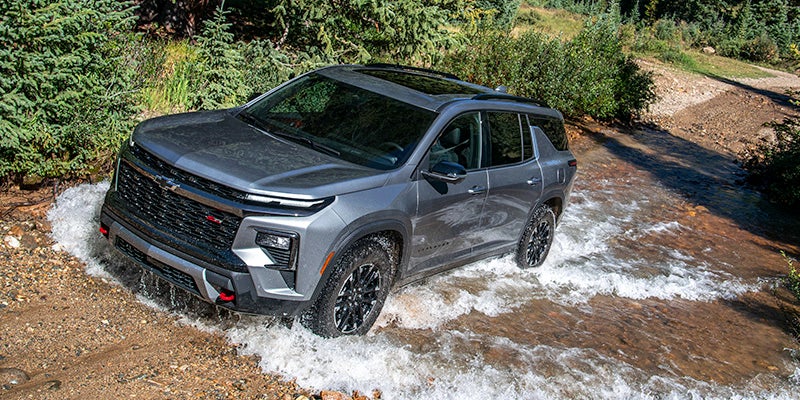
A gray Chevrolet SUV drives through a shallow stream on a dirt path.

Chevy Traverse vs Tahoe Space, Comfort and Family Features Compared

Two three-row SUVs can seat a household yet serve very different travel plans. In a Chevy Traverse vs Tahoe comparison, seating, luggage room, and trailer weight deserve attention first. The 2026 Traverse uses a smaller crossover layout, while the Tahoe offers a larger truck-based design. Both have flexible cabins, but their engines, exterior dimensions, and towing limits differ. Start with the people and gear you carry, then examine the specifications behind each choice. Chevy Traverse vs Tahoe Size and Construction The Traverse uses unibody construction, which combines its structural body and supporting frame into one assembly. The Tahoe uses body-on-frame construction, with its cabin mounted to a separate truck-style frame. Consequently, these layouts create different starting points for suspension design, vehicle weight, and trailer ratings. The 2026 Traverse measures about 204.5 inches long. By contrast, the Tahoe measures about 211.3 inches long. Therefore, the Tahoe requires additional room when parking, turning, or fitting inside a garage. Measure your available parking length before judging either SUV by photographs. A smaller exterior does not automatically mean a small cabin. The Traverse uses its crossover layout to provide three rows without matching the Tahoe's full-size footprint. However, the Tahoe adds greater maximum cargo volume and a higher available towing limit. Those differences matter when carrying large loads or pulling a trailer. Check door openings, step-in height, and visibility on both vehicles. In addition, compare the space needed to open the rear liftgate in your driveway. Construction explains the general layout, but a hands-on inspection shows how each SUV works with your routine. Passenger Seating and Cargo Space Both models offer three rows, but seating counts change with the chosen arrangement. The 2026 Traverse seats up to eight with an available second-row bench on LT. Its other listed trims seat seven with second-row captain's chairs. By contrast, the Tahoe seats eight in its standard layout, with seven- and nine-passenger arrangements available on specified models. A bench supplies another seat, while captain's chairs provide a walkway between the second-row positions. Therefore, the better arrangement starts with how passengers enter the third row. Test that path with the people who will use it, including anyone who needs a child seat. Cargo figures also require careful reading. The Traverse provides 22.9 cubic feet behind its third row and 98 cubic feet with rear rows folded. The Tahoe offers approximately 25.5 cubic feet behind its third row and 122.7 cubic feet at maximum. These measurements describe volume, not the dimensions of every suitcase or stroller. When comparing space, inspect both cabins with all needed seats upright: Measure the largest stroller, cooler, or suitcase you plan to carry behind the third row. Check whether passengers can enter the rear seating area without moving an installed child seat. Compare cargo floor height, liftgate clearance, and the shape of the loading opening. The Tahoe has the larger published cargo figures in both examples. However, loading shape and passenger arrangements may still point a household toward the Traverse. Bring measurements or actual gear for a useful comparison. Everyday Driving and Ride Quality The Traverse's shorter exterior gives it a different footprint for parking lots, narrow streets, and home garages. However, steering feel and turning space also deserve a road test. The Tahoe's higher seating position may appeal to someone who prefers a taller view ahead. That same height can change the step into the cabin. The Traverse uses a crossover suspension layout, while the Tahoe pairs its truck frame with an independent rear suspension. Both designs manage wheel movement over pavement, but tire choices and suspension equipment change the result. Therefore, neither SUV should receive a blanket claim of having the smoother ride. The Tahoe offers available Magnetic Ride Control and Four-Corner Air Ride Adaptive Suspension on eligible configurations. These features change damping or ride height through their control hardware. The Traverse Z71 includes specific suspension tuning and all-wheel-drive equipment for its intended terrain. Compare actual trims before attributing a feature to every vehicle. During a test drive, travel over ordinary pavement, then enter a parking lot. Listen for tire noise, check body movement after bumps, and assess steering at lower speeds. Finally, ask rear passengers about seat support, entry, and visibility. Those checks reveal more than a general comfort label. Engine and Towing Differences The 2026 Traverse uses a 2.5L turbocharged four-cylinder engine with 328 horsepower and 326 lb-ft of torque. It works with an eight-speed automatic transmission. The turbocharger compresses intake air so the engine can produce torque from a smaller displacement. This setup serves a three-row crossover with a published 5,000-pound towing rating when properly equipped. The Tahoe takes a different powertrain approach. Its 5.3L V8 produces 355 horsepower, while the available 6.2L V8 produces 420 horsepower. An available 3.0L Duramax turbo-diesel supplies another torque delivery option. All three Tahoe engines pair with a ten-speed automatic transmission. With the required equipment, a 2026 Tahoe can tow up to 8,400 pounds. By contrast, the Traverse's published ceiling is 5,000 pounds. However, neither maximum applies to every vehicle and trailer combination. Passenger weight, carried cargo, trailer tongue weight, and installed trailering equipment all enter the calculation. If you tow, identify your loaded trailer weight before choosing either model. Then confirm the exact SUV's rating and all required equipment. Consider how much passenger and luggage weight remains inside the vehicle. A higher maximum rating matters only when your planned trailer requires it. Technology and Family Convenience Both SUVs offer large infotainment displays and driver-assistance equipment, although screen dimensions and feature packages differ. The 2026 Traverse has a 17.7-inch center display and an 11-inch driver display. The Tahoe also offers a 17.7-inch center touchscreen and an 11-inch driver display. Verify connectivity features on the specific trim you inspect. Cabin details deserve as much attention as screen size. Check USB access for rear passengers, climate-control reach, cupholders, and second-row movement. Additionally, confirm where child seats fit and whether the third row remains accessible when those seats stay installed. Available camera views can assist while parking either SUV. Still, they do not replace checking mirrors, blind spots, and the surrounding area. Driver-assistance equipment also varies with trim and option packages. Therefore, compare the actual window stickers before assuming a particular feature comes standard. The Tahoe offers available Super Cruise on eligible models, subject to compatible roads and operating requirements. This is a driver-assistance feature, not autonomous operation. Regardless of which SUV you choose, remain attentive and follow all feature instructions. Choosing Between the Traverse and Tahoe Start with the seating arrangement you need on your busiest travel day. Then decide how much luggage must fit behind the occupied third row. Both SUVs support family travel, but the Tahoe provides more maximum cargo room and a higher towing ceiling. The Traverse occupies less exterior length and offers a different cabin layout. Before narrowing your choice, check four points: Confirm the passenger count and whether a bench or captain's chairs suit your household. Compare cargo measurements with the third row upright and with rear seating folded. Verify trailer weight against the exact vehicle's towing and payload ratings. Test parking, step-in height, second-row access, and road comfort in each SUV. These checks should guide which model you explore first. Visit Ross Downing Chevrolet's Tahoe inventory to review available configurations. You can also browse new Chevrolet inventory to examine current SUV options. For a household carrying large loads or a heavier trailer, the Tahoe deserves closer inspection. For someone prioritizing a shorter exterior with three rows, the Traverse warrants a test drive. Choose by checking the actual vehicles, not by assuming that size alone decides the comparison.

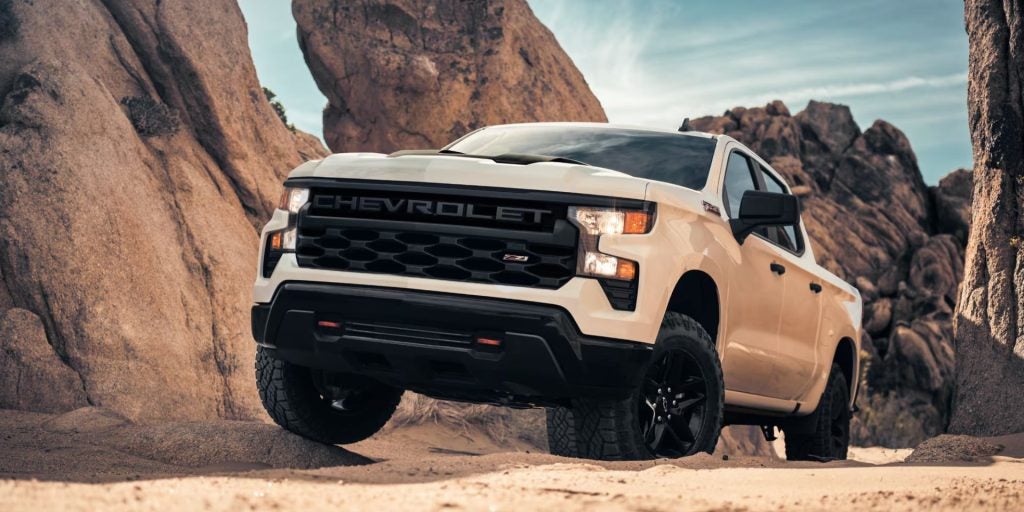
A white Chevrolet pickup truck with black wheels parked on rocky desert terrain.

New Chevrolet Silverado 1500: A Comprehensive Review

Choosing a pickup means thinking through more than engine power. You may need rear seating during the week and a loaded bed on weekends. This Chevrolet Silverado 1500 review explains how the 2026 truck's engine, cab, bed, and equipment choices work together. It also covers trailer ratings and what to check before viewing individual trucks. The goal is to find a configuration that handles your routine without carrying equipment you rarely need. Chevrolet Silverado 1500 Engine Choices The 2026 Silverado 1500 offers four engines, each with a distinct mix of torque, horsepower, and transmission gearing. Start by considering the loads you carry, your travel distances, and where you refuel. For this reason, peak horsepower alone cannot tell you how the truck will respond while pulling away with cargo. The standard TurboMax produces 310 horsepower and 430 lb-ft of torque. Its turbocharger uses exhaust energy to push more air into the engine. As a result, that extra air supports strong torque without requiring a large V8. Chevrolet pairs this engine with an eight-speed automatic transmission. The available 5.3L EcoTec3 V8 delivers 355 horsepower and 383 lb-ft of torque. Furthermore, its ten-speed automatic offers more gear ratios to manage engine speed during acceleration and highway travel. The available 6.2L V8 produces 420 horsepower and 460 lb-ft of torque. Therefore, check trim availability and recommended fuel before selecting that engine. Additionally, the 3.0L Duramax turbo-diesel produces 305 horsepower and 495 lb-ft of torque. In addition, it uses a ten-speed automatic. Diesel torque delivery is worth examining if you tow or make long highway trips. However, fuel prices, maintenance requirements, and local diesel access should enter the decision. Test each available powertrain with the driving you plan to do. In addition, consider acceleration at moderate speeds, engine noise, gear changes, and fuel requirements. The strongest engine on paper may not be necessary for every household or work routine. Silverado 1500 Towing and Payload A Silverado 1500 can tow up to 13,300 pounds in a properly equipped 2026 configuration. That number does not apply to every cab, engine, axle, or drivetrain combination. More specifically, Chevrolet identifies a Duramax Double Cab with a standard bed and specified wheels for its highest published figure. Towing capacity describes how much trailer weight a specific truck can pull within its rated limits. By contrast, payload describes weight the truck carries, including passengers, bed cargo, and trailer tongue weight. Therefore, a truck may meet its trailer-weight limit yet exceed its payload rating after passengers and gear enter the cab. For a conventional trailer, tongue weight transfers part of the trailer's loaded mass onto the hitch. Consequently, that weight uses available payload alongside people, tools, and supplies. Furthermore, the hitch and trailer also have their own ratings. Never rely on the maximum towing number without checking the actual truck and trailer. Before choosing a Silverado for towing, confirm these details: Loaded trailer weight: Use a realistic trailer weight that includes equipment, water, supplies, and other cargo. Truck payload: Add passengers, bed cargo, accessories, and expected tongue weight before reviewing the door-label limit. Required equipment: Check the hitch, wiring, brake controller, cooling provisions, and applicable trailering package. Individual ratings: Review the vehicle's documentation for gross vehicle, combined weight, and axle limits. If the required weights exceed a suitable Silverado 1500 configuration, research the Silverado HD lineup. The dealership's Silverado 1500 versus 2500 guide provides a separate discussion of that choice. This review remains focused on the light-duty truck. Silverado 1500 Cab Sizes, Bed Lengths and Passenger Space Cab and bed selections change both cabin room and the truck's exterior length. A Regular Cab prioritizes the front seating area and bed access. A Double Cab adds rear seats while retaining a smaller rear passenger area than a Crew Cab. The Crew Cab provides more rear-seat room for adults, children, and car seats. The 2026 lineup offers short, standard, and long beds across eligible configurations. However, not every cab pairs with every bed. Check the combinations available for the engine and trim you want. Still, a longer bed accommodates longer materials, but it also changes parking and turning demands. The Silverado's Durabed includes twelve standard tie-downs to secure cargo. Additionally, an available Multi-Flex Tailgate offers several opening positions for bed access and loading. Still, a tailgate arrangement does not change the truck's rated payload or the need to secure materials. For a truck that carries both people and tools, inspect the rear seating area before choosing bed length. Also, bring any child seats or large work items you expect to use. Finally, consider the overall vehicle length against your garage, driveway, and frequent parking spots. Silverado 1500 Everyday Driving and Truck Technology A pickup used for commuting has a different daily routine than one that spends most of its time carrying materials. For this reason, suspension, tires, cab size, and drivetrain all shape the Silverado's ride on local roads. A truck with off-road tires and a raised suspension may feel different from one with road-focused equipment. During a test drive, check steering response on narrow streets and turning space in crowded lots. Also listen for tire noise at highway speeds and observe how the truck settles after pavement bumps. In addition, rear-seat passengers should evaluate legroom and access, not only front-seat comfort. Available infotainment equipment includes a 13.4-inch center touchscreen and a 12.3-inch driver display on select trims. Wireless smartphone integration and compatible connected features vary by equipment. Therefore, examine the menus while parked and confirm your phone connects as expected. For trailering, Chevrolet offers an available Trailering App and multiple camera views on eligible trucks. In addition, these tools provide useful information during hitching and low-speed maneuvering. They do not replace checking the surrounding area or following safe towing procedures. Available Super Cruise on eligible High Country trucks supports hands-free travel on compatible roads. The driver must remain attentive and follow the feature's operating requirements. Consequently, verify every driver-assistance feature against the actual truck's equipment list before purchasing. Choosing a Chevrolet Silverado 1500 Trim The 2026 Silverado 1500 offers nine principal trims. They share a common truck platform, but their standard and optional equipment differs. Decide which features you will use before comparing exterior details or package names. WT and Custom provide straightforward starting points. WT emphasizes essential truck equipment, while Custom adds convenience items and distinctive styling. Custom Trail Boss adds factory off-road equipment, including a suspension lift and specialized tires. LT introduces additional cabin technology and comfort features. RST pairs a street-oriented appearance with several available engine choices. LT Trail Boss combines LT appointments with off-road hardware for drivers who need both. LTZ adds more cabin features and available assistance equipment. High Country emphasizes interior appointments and available Super Cruise. ZR2 adds specialized off-road hardware, including Multimatic DSSV dampers and locking differentials, for more demanding terrain. However, trim names are only a starting point. Furthermore, engine availability, seating arrangements, trailering equipment, and driver aids can change with packages. Therefore, check a specific vehicle's window sticker before assuming its equipment matches another Silverado of the same trim. Selecting the Right Silverado 1500 Configuration Start with the tasks your truck must handle most weeks. Then identify the situations that place the greatest demand on seating, bed space, and trailer ratings. As a result, the right combination should address both without forcing unnecessary compromises elsewhere. Use these checks when narrowing your choices: Engine and fuel: Compare torque delivery, transmission operation, fuel needs, and planned travel distances. Cab and bed: Confirm rear passenger room, cargo dimensions, garage clearance, and parking space. Towing and payload: Check the individual truck's ratings with loaded passengers, tools, and trailer tongue weight included. Equipment and ride: Test the tires, suspension, displays, cameras, and driver aids on the exact configuration. Once these details are clear, browse Ross Downing Chevrolet's Silverado 1500 inventory in Hammond. Next, compare available cab, bed, engine, and trim combinations before arranging a test drive. You can also review the dealership's finance resources as you plan your next purchase. A Silverado 1500 should fit how you work, travel, and carry passengers. Check the exact truck's specifications and drive it on familiar roads. Together, those steps will give you a sound basis for choosing a configuration you'll use every day.

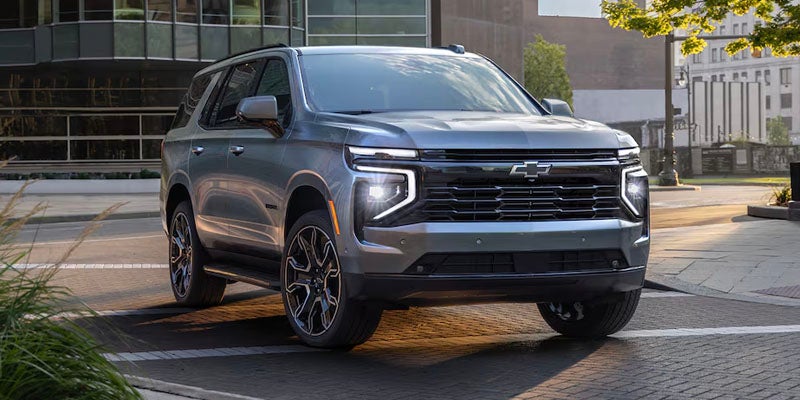
A gray Chevrolet SUV with illuminated headlights is parked on a city street.

New Chevrolet Tahoe Review

A full-size SUV needs to carry more than passengers. It must handle luggage, weekend equipment, highway travel, and occasional towing without disrupting your plans. This Chevrolet Tahoe review examines the details worth checking before selecting a three-row SUV. Seating arrangements, engine choices, suspension design, and trim equipment all deserve attention. The 2026 Tahoe provides a useful starting point, although individual model years and configurations may differ. Chevrolet Tahoe Interior Space and Seating The Chevrolet Tahoe offers three rows of seating with room for up to nine passengers in select configurations. Most 2026 models seat eight with a second-row bench. Available captain's chairs reduce capacity to seven while providing an open pathway between those seats. The LS offers a nine-passenger arrangement for households needing another seating position. However, passenger capacity tells only part of the story. Access to the third row matters when children, adults, or car seats occupy the second row. Captain's chairs provide a center aisle, while a bench provides another seating position. Therefore, households should compare both arrangements before choosing a configuration. Cargo space changes as passengers fill the cabin. The 2026 Tahoe provides up to 122.7 cubic feet with the second and third rows folded. That figure represents maximum storage space, not the room available behind occupied seating. With all three rows upright, cargo volume measures approximately 25.5 cubic feet. Folding the third row opens a larger loading area for luggage, sports equipment, or bulky supplies. Consequently, the number of passengers traveling together should guide cargo planning. Consider loading a stroller, several suitcases, or camping equipment during your evaluation. Measure large items and check whether they fit without folding needed seats. Also examine the liftgate opening, cargo floor height, and access to rear storage compartments. Chevrolet Tahoe Ride Quality and Everyday Driving The Tahoe uses a truck-based platform with body-on-frame construction. This architecture supports its substantial dimensions and towing strength. However, the large footprint also deserves attention during city travel and parking. An independent rear suspension gives each rear wheel room to move separately. As a result, uneven pavement on one side does not require both rear wheels to follow the same movement. Suspension tuning, tire selection, and vehicle weight also shape the ride. Available Magnetic Ride Control uses electronically adjusted dampers to respond to changing wheel movement. Four-Corner Air Ride Adaptive Suspension can adjust vehicle height on equipped models. These features provide additional adjustment options, although equipment varies by trim and package. Wheel selection deserves attention as well. Larger wheels with shorter tire sidewalls can transmit sharper impacts through the cabin. Smaller wheel configurations with taller tire sidewalls provide another setup to evaluate. The Tahoe's size becomes apparent when entering narrow parking spaces or navigating crowded lots. Therefore, a test drive should include turns, parking maneuvers, and uneven pavement. Check outward visibility and how easily you can judge the vehicle's corners. For highway travel, evaluate cabin noise, seat support, and steering response at steady speeds. Also consider how comfortably passengers can enter and leave each seating row after a long trip. Chevrolet Tahoe Engine Choices and Towing Chevrolet offers three engines for the 2026 Tahoe. Each uses a ten-speed automatic transmission, but the power delivery varies. Engine selection should begin with planned travel, trailer weight, and fuel preferences. The standard 5.3L EcoTec3 V8 produces 355 horsepower and 383 lb-ft of torque. It provides a gasoline option across most Tahoe trims. The 6.2L EcoTec3 V8 increases output to 420 horsepower and 460 lb-ft of torque. It comes standard on High Country and is available on select other trims. Additionally, the available 3.0L Duramax turbo-diesel produces 305 horsepower and 495 lb-ft of torque. Its substantial low-speed torque makes it worth researching for sustained highway travel and trailering. Fuel requirements differ between these engines. Chevrolet recommends regular gasoline for the 5.3L V8 and premium gasoline for the 6.2L V8. The Duramax requires suitable diesel fuel. Fuel availability and operating costs should be part of an engine comparison. The 2026 Tahoe can tow up to 8,400 pounds when properly equipped. However, that maximum does not apply to every configuration. Engine selection, drivetrain, trailering equipment, passenger weight, and loaded cargo must be considered together. When reviewing a Tahoe for towing, verify these items: Vehicle-specific tow rating: Check the rating for the exact engine, drivetrain, and equipment combination before selecting a trailer. Payload and trailer tongue weight: Account for passengers, cargo, and the weight transferred from the trailer to the tow vehicle. Trailering equipment: Confirm the hitch, trailer brake controller, cooling equipment, and other required components for your planned trailer. Trailer dimensions: Consider trailer length, frontal area, and handling characteristics alongside its loaded weight. These checks give a more complete picture than the maximum towing figure alone. Before connecting a trailer, consult the vehicle's documentation and Chevrolet's trailering guidance. Chevrolet Tahoe Technology and Driver Assistance The 2026 Chevrolet Tahoe includes a 17.7-inch diagonal center touchscreen and an 11-inch Driver Information Center. The central display organizes navigation, media, phone functions, and compatible connected features. Meanwhile, the driver display presents vehicle information directly ahead of the steering wheel. Google built-in compatibility provides access to supported services through the infotainment interface. Wireless Apple CarPlay and Android Auto connect compatible smartphones without a data cable. Some connected services require activation, subscriptions, or compatible devices. The display layout is worth testing before choosing a trim. Check how quickly you can reach navigation, climate controls, audio settings, and frequently used menus. Also assess screen visibility in bright sunlight. Driver assistance adds another layer of equipment to consider. Adaptive Cruise Control adjusts vehicle speed to maintain a selected following distance. HD Surround Vision provides camera views that assist with close-range maneuvering. Available Super Cruise supports hands-free driving on compatible roads when its operating requirements are met. However, it is a driver-assistance feature, not autonomous driving. The driver remains responsible for attentive and safe vehicle operation. Higher trims and optional packages introduce additional equipment, including expanded camera views and a Head-Up Display. Therefore, compare the actual equipment list of each vehicle before assuming a feature is included. A showroom demonstration should cover camera views, display controls, phone pairing, and driver-assistance settings. Understanding these features before delivery makes their operation easier to evaluate. Choosing a Chevrolet Tahoe Trim The 2026 Chevrolet Tahoe lineup includes LS, LT, RST, Z71, Premier, and High Country. Each trim combines the same core three-row SUV layout with different equipment priorities. Understanding those differences makes the selection process more focused. The LS provides the foundational Tahoe package, including the 5.3L V8, large center display, and standard driver-assistance equipment. It also offers the nine-passenger seating configuration. LT adds comfort and convenience equipment, including leather-appointed seating, heated front seats, wireless charging, and a programmable power liftgate. RST introduces distinctive exterior and interior styling. Its blacked-out details, red interior stitching, and available larger wheels create a different appearance. Select additional engines and equipment are available. Z71 focuses on equipment suited to travel beyond paved roads. Its high-approach front fascia, skid plate, recovery hooks, and two-speed transfer case distinguish it from other trims. Premier emphasizes cabin appointments, including heated and ventilated front seats, heated second-row seats, and an upgraded Bose audio setup. High Country comes standard with the 6.2L V8 and Magnetic Ride Control. It also includes distinctive interior finishes, a Rear Camera Mirror, and a 15-inch Head-Up Display. However, trim names alone do not confirm every included feature. Package selections can change seating, suspension, technology, and trailering equipment. Compare individual window stickers before narrowing your choices. Deciding Whether the Chevrolet Tahoe Fits Your Needs A Chevrolet Tahoe review should lead to a clear set of questions before inventory shopping. The most useful answers come from matching the SUV's dimensions and equipment with your actual plans. Start with passenger capacity and cargo space. A household carrying seven people may need a different seating arrangement than one carrying four. Likewise, luggage requirements change when the third row stays upright. Next, think about the routes you drive. City parking, interstate travel, uneven pavement, and trailer hauling place different demands on a full-size SUV. Before selecting a specific Tahoe, work through these checks: Seating and cargo: Confirm the required passenger arrangement and measure the space remaining for luggage with those seats occupied. Engine and towing: Review the exact powertrain, trailer rating, payload, and necessary trailering equipment. Ride and maneuvering: Test the suspension setup, parking visibility, steering response, and cabin comfort. Trim and technology: Check which convenience, camera, and driver-assistance features come with the selected vehicle. These steps can narrow the selection without relying on trim names or headline specifications alone. They also establish what to inspect during a test drive. Ross Downing Chevrolet in Hammond offers a direct way to continue that evaluation. Browse the current Chevrolet Tahoe inventory to review available models and equipment. You can also explore the dealership's financing resources before visiting. The final decision should reflect the passengers you carry, the equipment you transport, and the roads you travel. Comparing those needs with a specific Tahoe gives you a clear starting point for choosing your next SUV.

Is Synthetic Oil Worth It for Your Chevy?

Is Synthetic Oil Worth It for Your Chevy?

Is Synthetic Oil Worth It for Your Chevy? For most newer vehicles, yes. Synthetic oil is worth it, and many newer engines call for it. Whether you drive a Silverado, Equinox, Tahoe or Corvette, the oil your engine needs is listed in your owner's manual. Here's what our Hammond service team wants you to know. Why your owner's manual matters GM lists an oil specification for its engines, and many newer GM engines call for oil approved under GM's dexos standard. Approved oils are labeled on the bottle. Your owner's manual or the oil fill cap lists the exact viscosity your engine needs, so that's the first place to check. Why synthetic oil is worth it It holds up in high heat. Synthetic oil resists breaking down when your engine runs hot, which matters in south Louisiana summers. It flows easily at startup. It helps protect engine parts in the first few seconds after you start the car. It helps most under hard use. Towing, stop-and-go traffic and turbocharged engines all make your oil work harder. What to do Check your owner's manual for the oil viscosity and specification your engine calls for. Follow your oil life monitor if your vehicle has one, and don't go past it. Ask our service team if you're not sure which oil is right for your vehicle. Frequently asked questions Do I have to use synthetic oil in my Chevy? Many newer Chevrolet engines call for a specific oil that meets GM's specification. Your owner's manual lists exactly what your engine needs, and our service team can confirm it for you. Is synthetic oil worth it for a Silverado that tows? Towing makes your oil work harder, especially in south Louisiana heat. That's where synthetic's extra protection helps most. Use the oil your owner's manual calls for and follow your oil life monitor. Can I use synthetic oil in an older vehicle? In many cases, yes, as long as the oil meets the viscosity and specification in your owner's manual. If you're not sure, ask our service team. Can I switch between conventional and synthetic oil? Generally yes, as long as the oil meets your owner's manual specification. Mixing oils that meet the specification generally won't harm your engine, but you'll get the most benefit from the type your manual recommends. Time for an oil change? Ross Downing Chevrolet · 600 S. Morrison Blvd., Hammond, LA 70403 Schedule Service Or call (985) 520-4147 This article is general information. Always follow your owner's manual and your technician's recommendations for your specific vehicle.

Voted 2026 Best Auto Dealership in Tangipahoa

Ross Downing Voted 2026 Best Auto Dealership in Best of Tangipahoa

Ross Downing Voted 2026 Best Auto Dealership in Best of Tangipahoa Ross Downing has been voted 2026 Best Auto Dealership in the Hammond Daily Star's Best of Tangipahoa. The award is voted on by the community, and we are honored by every vote and grateful for your trust. Thank you, Tangipahoa This award belongs to the people of Tangipahoa Parish who chose to shop with us, service with us and then vote for us. It also belongs to our team: the salespeople, technicians, service advisors, parts specialists, finance managers and office staff at Ross Downing Chevrolet, Ross Downing Cadillac, Ross Downing GMC and Ross Downing CDJR who show up for our customers every day. Family-owned in Hammond since 1973 Since 1973, three generations of the Ross Downing family have been driven to serve south Louisiana. We earn trust every day: integrity in every deal, straight answers to every question, and real care for every customer and every member of our team. Being recognized by our own neighbors means more than any sales number. What this means for you Straight answers. Ask us anything about buying, financing or maintaining your vehicle, and we'll explain it in plain language. A team that knows you. Many of our customers have bought and serviced their vehicles with us for years. Four Hammond dealerships, one family. Chevrolet (including Corvette), Cadillac, GMC and Chrysler, Dodge, Jeep and Ram. See the full list of winners in the Hammond Star's Best of Tangipahoa results. Come see us Ross Downing Chevrolet, 600 S. Morrison Blvd., Hammond, LA 70403 Shop and schedule service online or call (985) 520-4147. Thank you, Tangipahoa. One family of dealerships. One community.

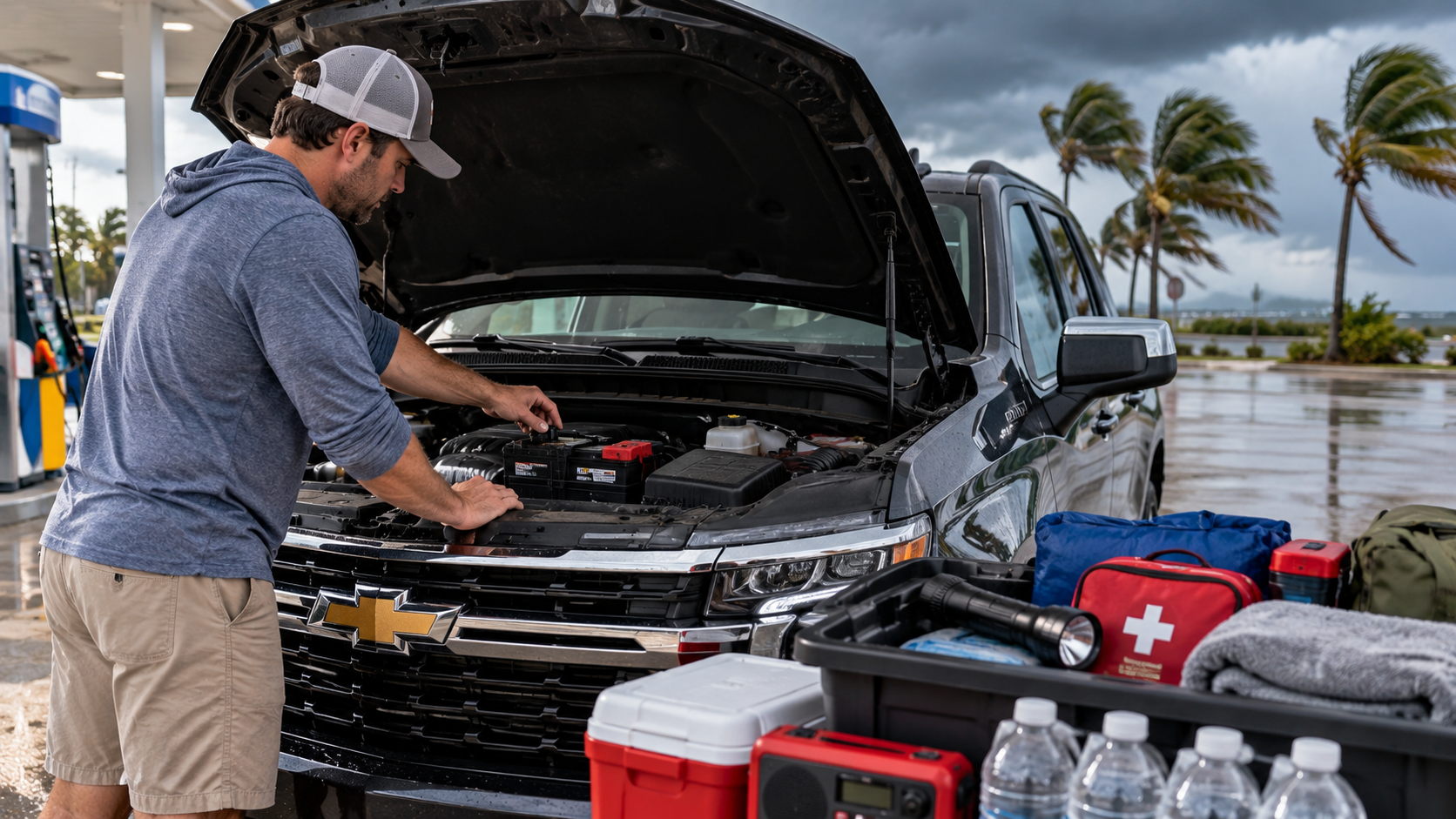
Chevy Maintenance Schedule for Louisiana Hurricane Season

Chevy Maintenance Schedule for Louisiana Hurricane Season

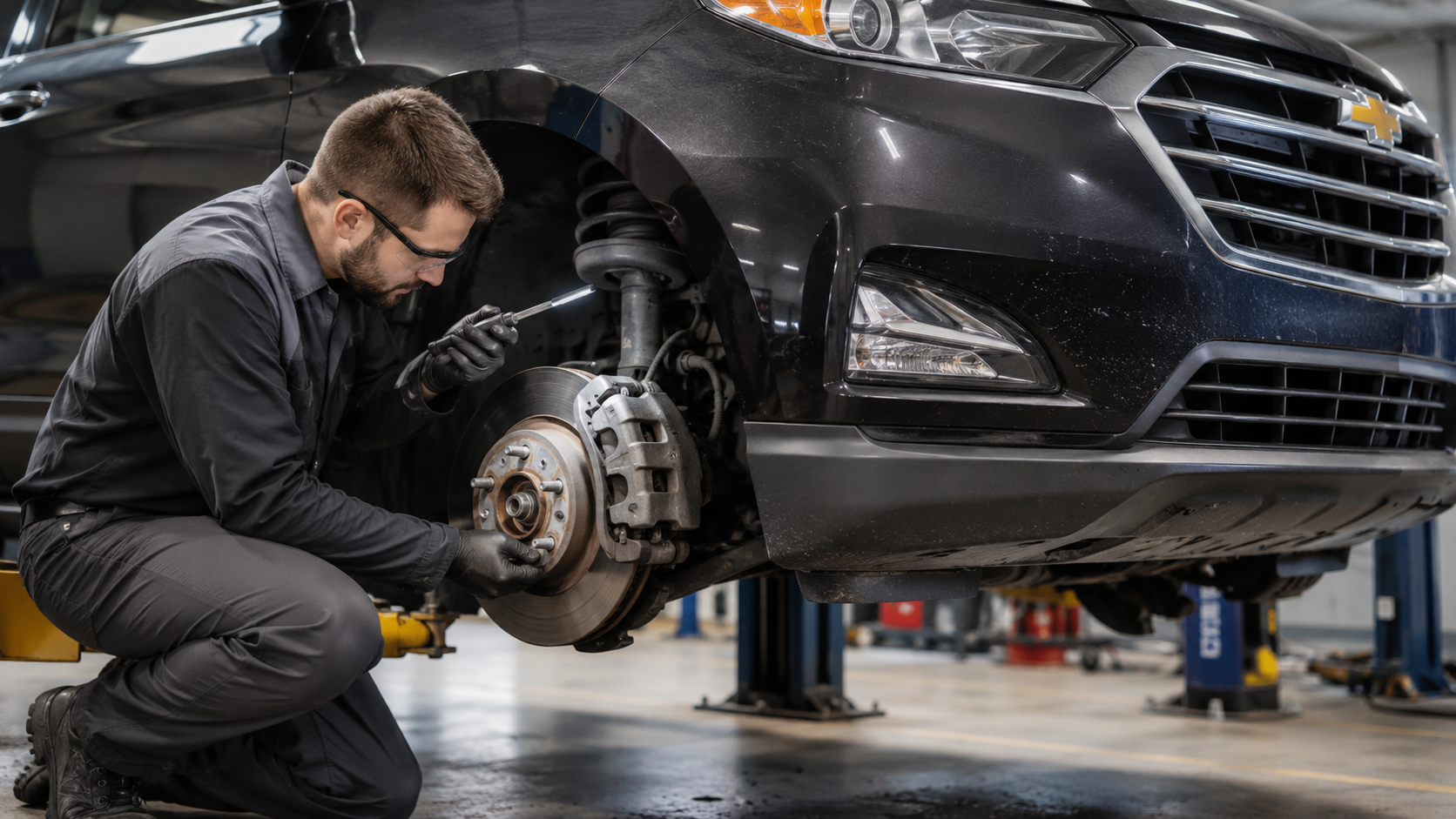
Chevy maintenance schedule checks take on added urgency before Louisiana hurricane season. Evacuation travel can place extra demands on your vehicle. Heavy rain can also expose weak tires, worn wipers, or a struggling battery. Therefore, preparing early gives you time to address problems before a storm approaches. Start with the parts that support starting, traction, visibility, braking, and longer travel. Start Hurricane Season With a Vehicle Inspection A pre storm inspection gives you a clearer picture of your Chevy before hurricane travel becomes necessary. Therefore, schedule the review before a named storm creates a rush for service. Start with the maintenance items already due for your vehicle. Your Chevrolet Owner's Manual provides the model specific schedule. In addition, the vehicle may provide oil life or service reminders through its displays. Routine maintenance is only one part of storm preparation. You also need to consider what a long evacuation trip may require. That can include extended driving, slow traffic, heavy rain, and repeated stops. Before hurricane season becomes active, review these areas: Check whether oil service, tire rotation, or another scheduled maintenance item is due soon. Inspect the battery, tires, brakes, wipers, exterior lights, and fluid levels before longer travel. Address warning lights or new vehicle noises before relying on the Chevy for evacuation travel. Furthermore, do not wait for a storm forecast to begin the process. Service departments can become busier as local preparation increases. Ross Downing Chevrolet provides online access to schedule Chevrolet service. Scheduling early gives technicians more time to identify items that need attention. Check the Battery and Tires Before Evacuation Travel A battery can start your Chevy today and still test weaker than expected. Therefore, a battery review should include more than looking at the terminals. A technician can inspect the battery case for cracks or leaks. They can also check the terminals for corrosion. In addition, battery testing can measure its current health. Why does this matter before a hurricane? Evacuation travel may involve repeated starts and long periods in traffic. Your phone charger, lights, climate controls, and other electrical items may also stay active. Tires deserve the same level of attention. The tread grooves move water away from the tire's contact area. Therefore, worn tread gives the tire less depth for moving water. Chevrolet identifies 2/32 inch as the replacement threshold for tread depth. However, tread depth should not be the only check before storm season. Review tire pressure when the tires are cold. Then look for uneven wear, cuts, bulges, or other visible damage. Additionally, inspect the spare tire if your Chevy carries one. A tire review should answer three direct questions: Does each tire have enough tread for the upcoming travel? Is the cold tire pressure set to the Chevrolet specification for your vehicle? Are there wear patterns or damaged areas that need inspection before a long trip? Furthermore, do not forget the tires simply because the Chevy drives normally on dry roads. Heavy rain places greater importance on tread and proper pressure. Prepare Visibility, Brakes, and Fluids for Heavy Rain Seeing the road clearly becomes critical during Louisiana rain. Therefore, inspect the wiper blades before storm season reaches its busiest period. Replace blades that streak, skip, chatter, or leave sections of the windshield uncleared. Also check the washer fluid level. A working washer can clear road spray, dirt, and debris from the glass. Exterior lights deserve a quick review too. Confirm that headlights, brake lights, turn signals, and hazard lights work. Heavy rain can reduce how clearly other drivers see your vehicle. Brakes should also be part of the inspection. Listen for grinding, squealing, or other new sounds. Additionally, note any vibration or unusual pedal feel. Fluid checks matter before longer travel. Review engine oil, coolant, brake fluid, and washer fluid according to Chevrolet service guidance. Address any visible leak before a long drive. These checks work together during wet travel: Clear wipers and working lights support visibility during heavy rain. Properly serviced brakes support controlled stopping in slow or crowded traffic. Correct fluid levels help prepare the Chevy for longer hours on the road. Still, maintenance cannot make flooded roads safe. Never drive into a roadway covered by floodwater. Turn around and use another route. Build a Louisiana Hurricane Vehicle Kit Your Chevy should also carry supplies that support you if travel slows or plans change. Louisiana emergency guidance includes water, food, lighting, first aid items, and personal documents. Keep the kit easy to reach. A sealed container in the cargo area can keep supplies together. However, medication, identification, and phones should remain accessible. A vehicle focused hurricane kit can include: Drinking water, shelf stable food, a flashlight, spare batteries, and basic first aid supplies. Needed medications, identification copies, a phone charger, rain gear, and basic hygiene items. A battery powered radio, simple tools, paper maps, and contact information for family members. Furthermore, fill the fuel tank before a storm reaches the area. Fuel demand can rise quickly during evacuation periods. A fuller tank also gives you more flexibility if routes change. Think about the people riding with you. Children, older adults, and pets may need additional supplies. Therefore, tailor the kit to the passengers who may travel in the vehicle. You should also keep footwear and clothing suited for rain. Wet shoulders, roadside stops, and power outages can make simple clothing choices more important. Schedule Service Before a Storm Creates Urgency The strongest time for hurricane vehicle preparation is before the forecast becomes urgent. That gives you room to handle repairs without racing against a storm timeline. When you schedule service, explain that you are preparing for hurricane season. Ask the technician to review the battery, tires, brakes, wipers, lights, and major fluid levels. Additionally, mention any warning lights or recent changes you have noticed. Small clues can help a technician narrow the inspection. You can use the Ross Downing Chevrolet service scheduler to request an appointment. The dealership also provides Chevrolet Certified Service for maintenance and repair needs. If your tires need attention, ask the service team to review tread depth and pressure. If the battery tests weak, discuss replacement before evacuation travel becomes necessary. You can also contact Ross Downing Chevrolet with service questions before scheduling. That can help you confirm what to bring or what inspection your Chevy may need. A hurricane plan should include more than supplies stored at home. Your vehicle may become a key part of evacuation, family transport, and daily travel. Therefore, prepare it before the storm calendar becomes crowded. Check the battery, tires, visibility items, brakes, fluids, fuel, and emergency supplies early. Then keep your Chevy ready for the travel decisions that hurricane season may bring.

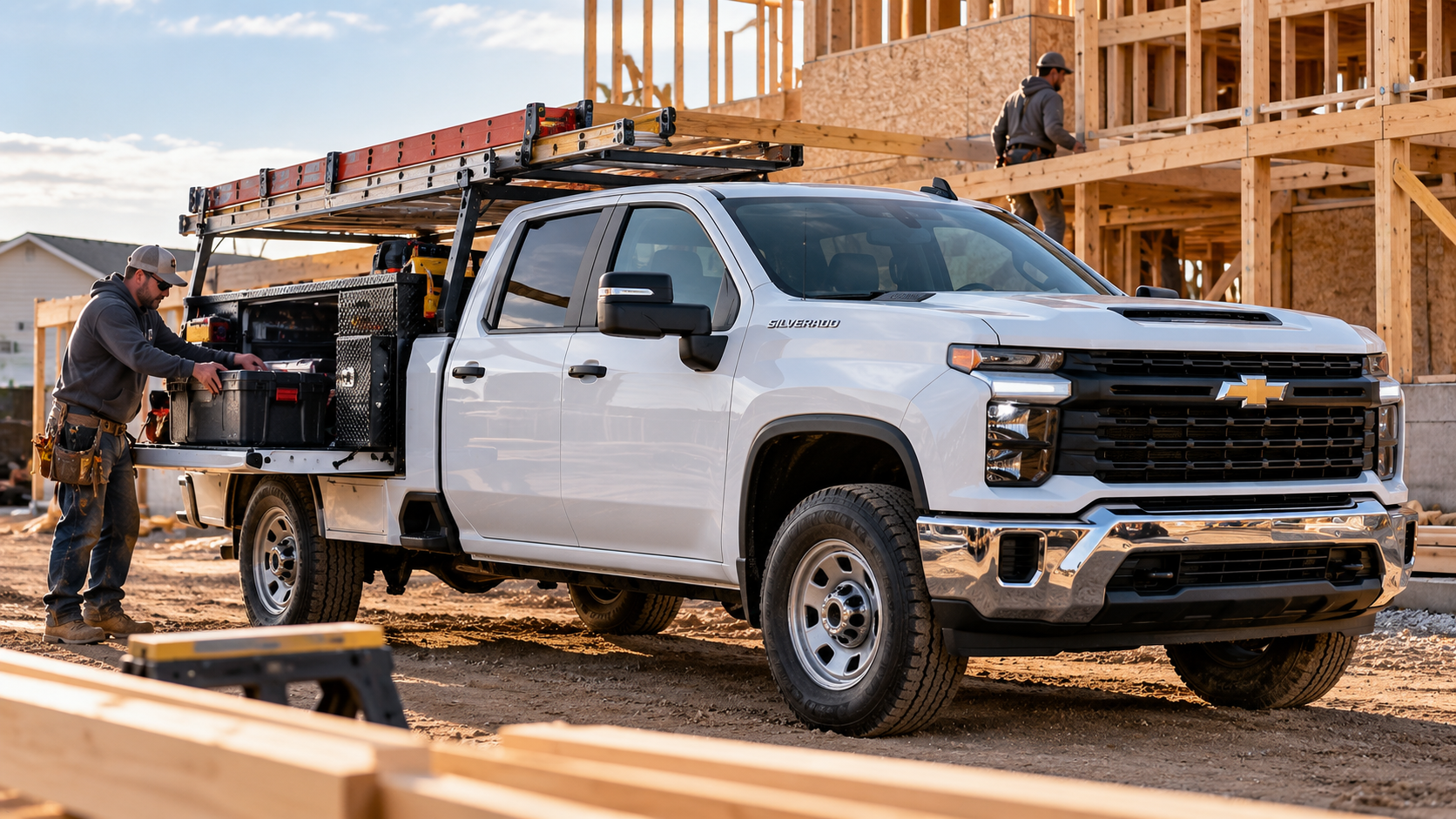
Chevy Commercial Fleet Incentives for Silverado Buyers

Chevy Commercial Fleet Incentives for Silverado Buyers

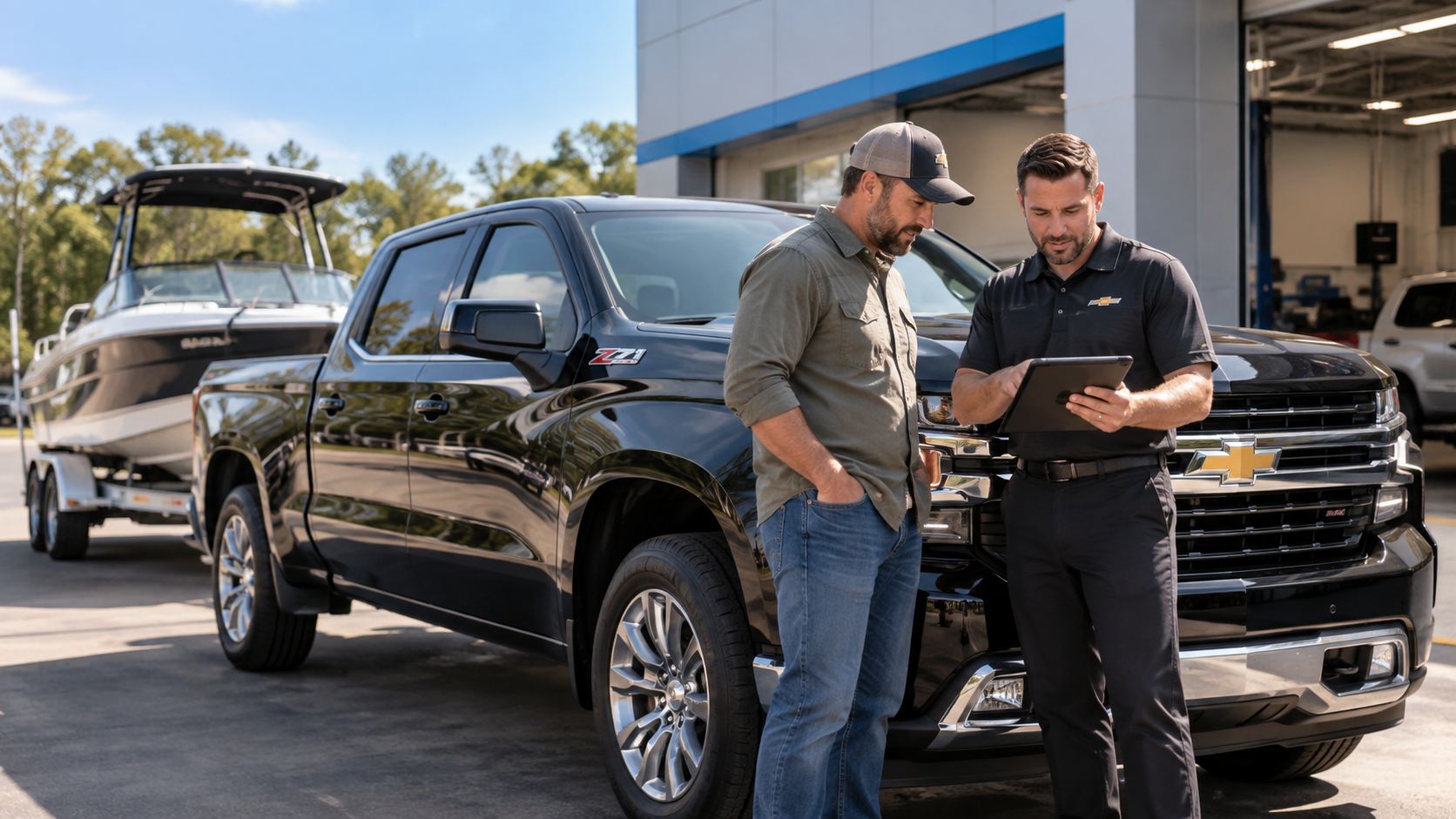
Chevy commercial fleet incentives can be part of a Silverado purchase, but truck selection should come first. A small business needs a truck that matches its daily jobs. Therefore, start with towing, payload, cab space, bed needs, and planned equipment. Then review Chevrolet commercial programs that may apply to the purchase. Financing and tax questions belong in that same discussion. Start With the Work Your Silverado Needs to Do A Silverado for small business use should match the work assigned to it. Therefore, begin with the jobs the truck will handle each week. Those duties can point toward Silverado 1500, Silverado HD, or a specialized commercial configuration. Silverado 1500 can serve businesses with lighter towing and hauling needs. It can also work for service calls, estimates, deliveries, and daily jobsite travel. However, heavier trailers or equipment may call for Silverado HD. Your first review should cover several details: Estimate the heaviest trailer the truck will pull and the equipment it will carry. Decide how much passenger space the crew needs during a normal workday. List the tools, racks, storage boxes, or other equipment that must travel with the truck. Additionally, think about annual mileage. A truck that travels between jobs all day may need different priorities than one staying near one site. Ross Downing Chevrolet lists both Silverado 1500 and Silverado HD models in its new Chevrolet inventory. Comparing both classes can make the size decision easier before you discuss incentives. Match the Trim and Configuration to the Job The trim name should follow the job. Therefore, a business should decide what the truck must carry before choosing cabin equipment or appearance features. The Silverado WT is the starting work focused trim. Ross Downing Chevrolet currently lists WT configurations within its Silverado HD inventory. However, another trim may fit a business that spends more hours traveling between customers. Cab configuration also deserves attention. A crew that travels together may need a Crew Cab. By contrast, a truck assigned to one person may not need as much rear seating. Bed length can shape daily use too. Longer materials, tool storage, or larger equipment may call for more bed space. Still, parking space and route type should remain part of the decision. Upfits should be discussed before the purchase is finalized. Common additions can include: Bed protection, steps, tie downs, and tool storage for daily jobsite use. Racks or storage equipment for businesses carrying long tools or materials. Specialized bodies or equipment for trades that need a dedicated commercial setup. The Ross Downing Chevrolet Silverado HD inventory provides a closer look at current heavy duty configurations. That can help a business compare WT with other available trims. How Commercial Incentive Programs Differ Chevrolet commercial offers do not all follow the same rules. Therefore, business owners should identify the program before comparing dollar amounts. Chevrolet Business Choice is one program to review. Eligible customers may receive an allowance toward qualifying GM Accessories or an eligible upfit. However, eligible vehicles, amounts, and offer dates can change. A fleet allowance follows different rules. GM Fleet requires qualified fleet status for its National Fleet Purchase Program. A Fleet Account Number is part of that qualification process. That distinction matters for a small company purchasing one or two trucks. Business ownership alone does not confirm fleet eligibility. Therefore, ask which program applies before adding an allowance to the purchase calculation. Retail Chevrolet offers can also appear on a truck at the same time. However, each offer has its own eligibility rules. Some programs may not combine with others. Before counting an incentive, confirm: Whether your business meets the current program requirements. Whether the exact Silverado configuration qualifies for the offer. Whether the offer can be combined with other current Chevrolet programs. Current offers should always be verified at the time of purchase. Therefore, treat any advertised amount as time sensitive until the dealership confirms eligibility. Build Financing and Tax Questions Into the Purchase Truck selection and financing should be reviewed together. A small business may care more about monthly cash flow than the lowest possible payment alone. Therefore, consider how long the business plans to keep the truck. Also review expected mileage and replacement timing. Those details can shape the preferred loan term and down payment. The Ross Downing Chevrolet finance department provides financing resources and an online credit application. Current rates and programs can change, so direct confirmation remains important. Tax treatment deserves a separate review with a qualified tax professional. Chevrolet currently publishes guidance for qualifying business vehicle deductions. However, vehicle weight and configuration can affect which rules apply. A Silverado 1500 configuration may not receive the same tax treatment as another Silverado. Therefore, do not assume every truck qualifies for the same deduction. Before finalizing the purchase, gather these details for your tax professional: Exact model and configuration, including bed length and gross vehicle weight rating. Expected percentage of business use during the tax year. Purchase timing and the date the truck will enter business service. Tax law can change, and each business has its own circumstances. Therefore, dealership staff should not replace professional tax advice. Prepare for a Small Business Truck Conversation The most useful commercial truck discussion starts with specific information. Therefore, bring details about the work before asking which Silverado to purchase. Know your towing needs, typical cargo, annual mileage, number of passengers, and planned equipment. Also identify whether the truck will stay with one employee or rotate through a team. Furthermore, explain whether the vehicle will support construction, service calls, deliveries, agriculture, or another trade. That context makes it easier to narrow the configuration. You should also bring questions about current Chevrolet programs. Ask whether Business Choice applies to the truck you are considering. Then ask whether your company qualifies for fleet status or another current offer. Finally, compare the full acquisition cost. Include the truck, added equipment, financing, insurance, and planned maintenance. Then review any eligible commercial program separately. A small business Silverado purchase works best when the truck and the financial structure support the same job. Start with what the truck must carry and tow. Then compare current Chevrolet offers against verified eligibility. You can contact Ross Downing Chevrolet to discuss current Silverado inventory and commercial purchase questions.

Corvette Convertible Features for the 2026 Stingray

Corvette Convertible Features for the 2026 Stingray

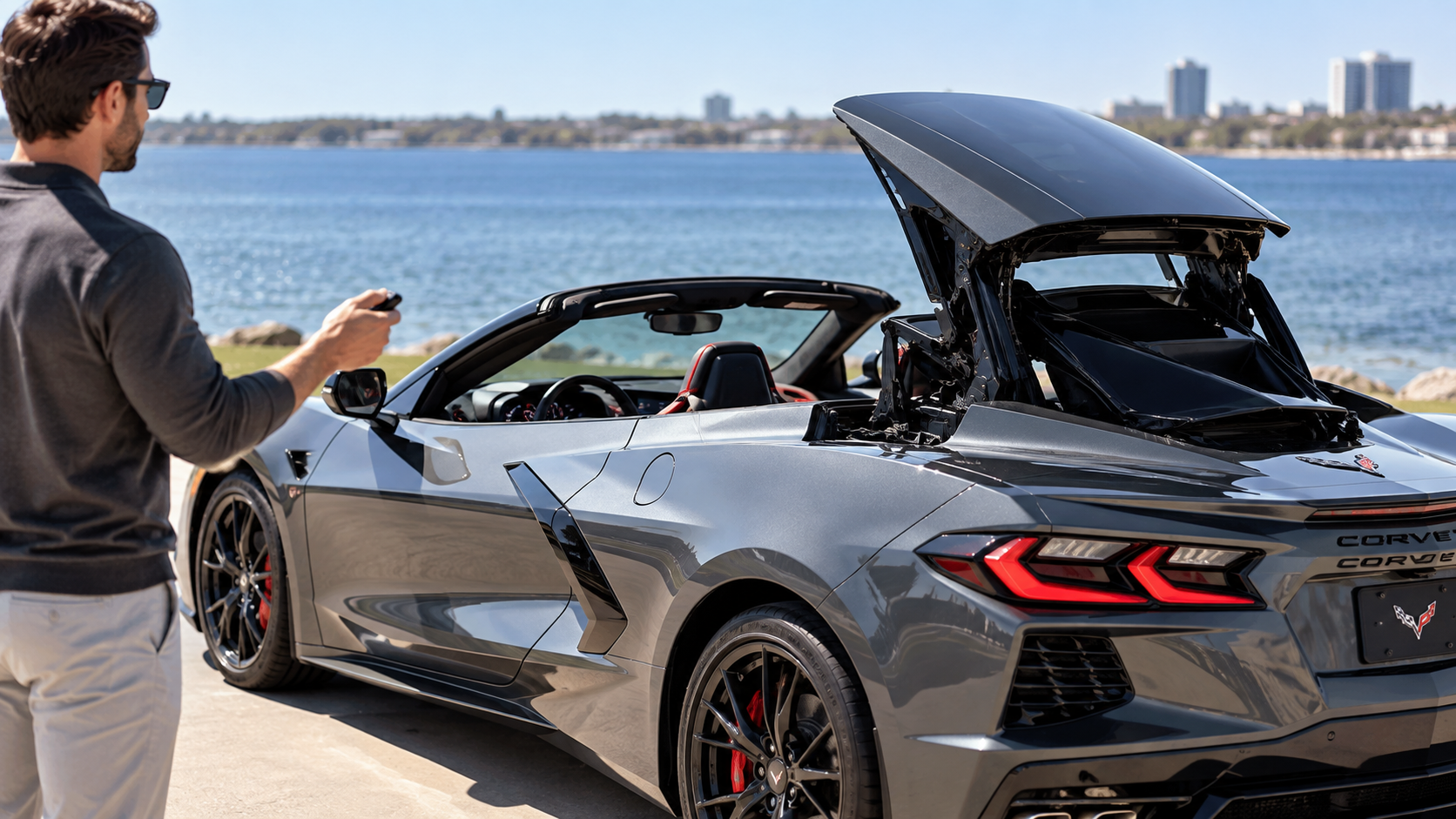
Corvette convertible features change how quickly you can open the cabin, manage cargo, and plan the purchase price. The 2026 Stingray offers both coupe and convertible body styles. However, both versions can give you open air driving. The coupe uses a removable roof panel. The convertible uses a power retractable hardtop. Therefore, the choice centers on roof operation, storage planning, and price. Both Corvette Body Styles Can Open the Cabin Corvette convertible features start with one important fact. The coupe can open the cabin too. Its roof panel lifts out manually and can travel with the car. By contrast, the convertible uses a powered hardtop that folds away at the touch of a control. Furthermore, that distinction changes the routine before a drive. With the coupe, you stop, remove the panel, and place it in the rear cargo area. With the convertible, you use the roof control instead. Therefore, both body styles reach a similar open cabin goal through very different steps. Still, the coupe offers a strong open air option for someone who enjoys removing the panel by hand. However, the convertible removes that manual step from the process. That can matter on a day with changing temperatures or sudden rain. You can compare current Corvette availability in the Ross Downing Chevrolet new inventory. That gives you a direct way to review body styles, trims, colors, and current pricing. How the Power Retractable Hardtop Changes the Routine Corvette convertible features become most noticeable when you open or close the roof. Chevrolet says the retractable hardtop can operate at speeds up to 30 mph. Therefore, you do not always need a full parking stop before changing the roof position. By contrast, the coupe requires more preparation. You need a safe place to stop, release the panel, lift it away, then secure it. The convertible replaces those steps with powered roof movement. As a result, opening the cabin becomes a faster part of the drive. Several differences shape that routine: The convertible roof opens or closes with powered operation, so manual panel removal is not required. The coupe roof panel must be removed by hand, then secured correctly in the rear storage area. The convertible roof can operate at speeds up to 30 mph, which adds another option during a trip. Still, the coupe has its own appeal. Some Corvette owners may enjoy the direct process of removing the roof themselves. Others may prefer pressing a control and keeping both hands free from panel handling. Therefore, think about how frequently you expect to open the cabin. Frequent roof changes may make powered operation more appealing. Occasional open air drives may make manual removal feel completely reasonable. What Happens to Corvette Storage Space Corvette convertible features also change how roof storage fits into travel plans. The coupe roof panel can be stored in the rear cargo area. However, that panel uses space you might otherwise reserve for bags or gear. For this reason, cargo planning matters when you want the roof off during a longer trip. A weekend bag, small suitcase, or shopping bags may need to share space with the panel. Therefore, the coupe asks you to plan cargo around the roof. The convertible handles roof storage differently. Its retractable hardtop folds into the body instead of occupying the same rear area. That changes the packing process before a top down drive. When comparing both body styles, consider these questions: Will you remove the coupe roof and carry it with you during most open air drives? Do you expect to travel with luggage, golf gear, shopping bags, or other cargo? Would powered roof storage make packing easier for the trips you take most? Furthermore, storage needs can change from one drive to the next. A short evening trip may require very little space. A weekend trip can make every available cargo area matter more. For this reason, look at the storage area in person before choosing. Bring a mental list of what you normally carry. Then compare that list with how each roof setup uses the available space. What the Convertible Price Difference Pays For Corvette convertible features also carry a higher starting price than the coupe. Current 2026 Stingray pricing shows a seven thousand dollar difference across listed 1LT, 2LT, and 3LT body styles. Moreover, the added cost is not simply about appearance. The convertible includes the hardware needed for powered roof movement and storage. Therefore, the price discussion should connect directly to how much you value that convenience. Think about the added cost through three questions: How many times each month do you expect to open or close the roof? Would manual roof removal become a chore during your normal driving plans? Is keeping rear cargo free from a removable roof panel important for your trips? The answers can make the price difference easier to evaluate. However, they will not be the same for every Corvette owner. You can review purchase options through the Ross Downing Chevrolet finance department. That page includes financing resources and an online credit application for a new Chevrolet purchase. Choosing Coupe or Convertible Around Your Driving Plans Corvette convertible features matter most when they match how you want to use the Stingray. The coupe gives you removable roof access with a hands on process. The convertible gives you powered roof movement without removing a panel yourself. Therefore, start with the moments when you would most likely drive with the cabin open. Think about weekend drives, short trips, longer travel, and quick changes in the forecast. Then consider how much roof handling you want during those moments. The coupe may suit someone who rarely removes the panel and wants a lower starting price. By contrast, the convertible may suit someone who plans frequent top down driving. Its powered roof makes those changes simpler during a trip. Additionally, cargo planning should enter that decision too. The coupe roof panel needs a storage location when you bring it along. The convertible stores its roof through the powered hardtop design. Therefore, your normal luggage and gear can shape which setup feels easier. You do not need to make the choice from specifications alone. Seeing both body styles can make the roof and cargo differences much clearer. You can contact Ross Downing Chevrolet to ask about current Corvette availability and arrange a closer look. Corvette convertible features are most useful when you plan to use them regularly. Compare the roof process, storage needs, and added price against your own driving plans. Then choose the Stingray body style that fits the way you want to enjoy the road.

Chevy Extended Warranty Options for Silverado Trucks

Chevy Extended Warranty Options for Silverado Trucks

Chevy extended warranty options give Silverado owners another way to manage repair costs after factory protection ends. Additionally, a new Silverado already includes factory warranty protection from Chevrolet. Therefore, start by checking what your truck already has before adding another plan. Then compare plan length, deductible, covered parts, and how you plan to drive your truck. That process keeps the decision tied to your actual ownership plan. Start With the Silverado Factory Warranty A new Silverado includes factory limited warranty protection from Chevrolet. That protection begins when the truck enters service. Therefore, your in service date matters when you review any extra plan. The bumper to bumper warranty covers a wide range of parts for a set time and mileage limit. Powertrain protection lasts longer and focuses on major drivetrain parts. In addition, certain Silverado engines may carry different powertrain terms under Chevrolet warranty rules. Therefore, your exact engine and model year matter. If you are still comparing trucks, you can browse new Chevrolet inventory to review available Silverado models and configurations. Before adding another contract, check the factory term that remains on your truck. A Chevrolet Protection Plan may overlap with part of that factory term. Therefore, the calendar length of a plan does not tell the whole story. You should also review your annual mileage. High yearly mileage can move a truck through mileage limits sooner. By contrast, lower yearly mileage may leave more factory protection available for a longer period. Chevrolet also permits eligible owners to purchase a Protection Plan after the original sale. Still, the truck must meet current program requirements. That gives you room to compare your needs before choosing a contract. Compare Powertrain, Silver, and Platinum Protection Chevrolet offers Powertrain, Silver, and Platinum Protection Plan levels. Each level covers a different group of listed parts. Therefore, the plan name matters less than the component list inside the contract. Powertrain protection centers on major mechanical parts. Silver expands into more truck components. Platinum reaches further into electronics and driver technology. With that in mind, review what each tier adds before comparing prices. Powertrain focuses on listed engine, transmission, and drive components that can carry high repair costs. Silver adds listed steering, suspension, brake, electrical, and climate control components beyond the core drivetrain. Platinum adds more listed electronics, displays, navigation, parking assistance, and driver support components. Moreover, a Silverado with more electronic equipment may lead you toward a broader plan. However, a simpler repair risk goal may point toward narrower protection. Therefore, the contract should make that distinction clear. Do not stop at the covered part list. Additionally, check exclusions, repair authorization rules, deductible choices, and contract limits. Those details shape what happens when you file a covered repair claim. Compare Plan Cost With Your Ownership Timeline Is a Chevy extended warranty worth adding while factory protection still remains? The answer starts with your ownership timeline and budget. Therefore, start by estimating how long you expect to keep the Silverado. A short ownership period may leave much of the factory warranty active. By contrast, a longer ownership period can place more years outside that term. Next, compare your annual mileage with each plan limit. A driver who covers 20,000 miles each year will reach mileage limits sooner. Someone who drives 8,000 miles each year may reach the time limit first. Additionally, review the deductible. A lower deductible can reduce your bill during a covered repair. However, the contract price may differ between deductible choices. Compare both numbers before you decide. Use these points as your evaluation checklist: Confirm the remaining factory warranty time and mileage on your Silverado before adding another contract. Compare the Protection Plan term, deductible, covered part list, exclusions, and total contract price. Decide what size repair bill you could comfortably pay without shifting that risk into a protection plan. A protection plan trades a known contract cost for more predictable covered repair spending. Therefore, the comparison should stay grounded in your budget. It should also reflect how long you plan to keep the truck. If you want to compare protection costs alongside your purchase plan, the Ross Downing Chevrolet finance team can help you review available vehicle financing and extended warranty programs. Review Towing and Work Use Before Choosing Coverage Moreover, towing and work duty deserve a closer contract review. Silverado owners may pull trailers, haul equipment, or use their trucks for paid work. Therefore, those tasks can change what contract language deserves your attention. Does towing change warranty protection? Towing alone does not answer that question. The contract controls what qualifies as a covered repair. Therefore, you should read the terms before assuming a towing related failure will qualify. Regular trailer work can place added demand on brakes, cooling components, driveline parts, and suspension parts. However, a protection plan does not automatically cover every failure connected with those areas. Chevrolet contract language also addresses certain professional services and heavy duty applications. Some use categories may require a related optional selection when eligible. Consequently, business owners should describe their truck duty accurately when reviewing plan choices. Before selecting protection for a working Silverado, confirm these points: Explain how you use the truck, including trailer work, business driving, jobsite travel, or other paid work. Ask which contract terms apply to that use and whether any optional use selection is required. Review exclusions tied to misuse, improper towing, maintenance, modifications, and noncovered damage. This step matters for personal towing too. Your trailer weight, hitch setup, maintenance schedule, and operating habits all deserve attention. For this reason, contract review should happen before you assume a repair will qualify. Regular inspections can also help catch wear before a towing or work trip. You can schedule Chevrolet service with Ross Downing Chevrolet for inspections, maintenance, diagnostics, and warranty repairs. Choose a Plan by Reviewing the Contract, Not the Name Therefore, the final choice should connect the plan to your Silverado and your finances. Start with the factory warranty that remains. Then compare your expected ownership length, yearly mileage, deductible, and covered parts. A broader plan may make sense when you want more listed electronics and chassis components included. However, a narrower plan may fit someone focused mainly on major drivetrain repairs. Neither choice should come from the plan name alone. Before signing, read the contract and ask direct questions. Confirm the start date, mileage terms, deductible, exclusions, cancellation terms, transfer rules, and claim process. Additionally, ask how your normal towing or work duty fits the written terms. You can also compare the contract price with cash you already keep for repairs. That comparison gives the decision a clear financial frame. Beyond that, consider whether predictable covered repair costs matter more to you than paying repairs as they arise. A Chevrolet Protection Plan is another ownership cost, so it deserves the same review as financing or insurance. Read the details, compare the numbers, and connect the terms to how you will use your Silverado. You can also contact Ross Downing Chevrolet if you want to discuss current Silverado protection options before making a decision.

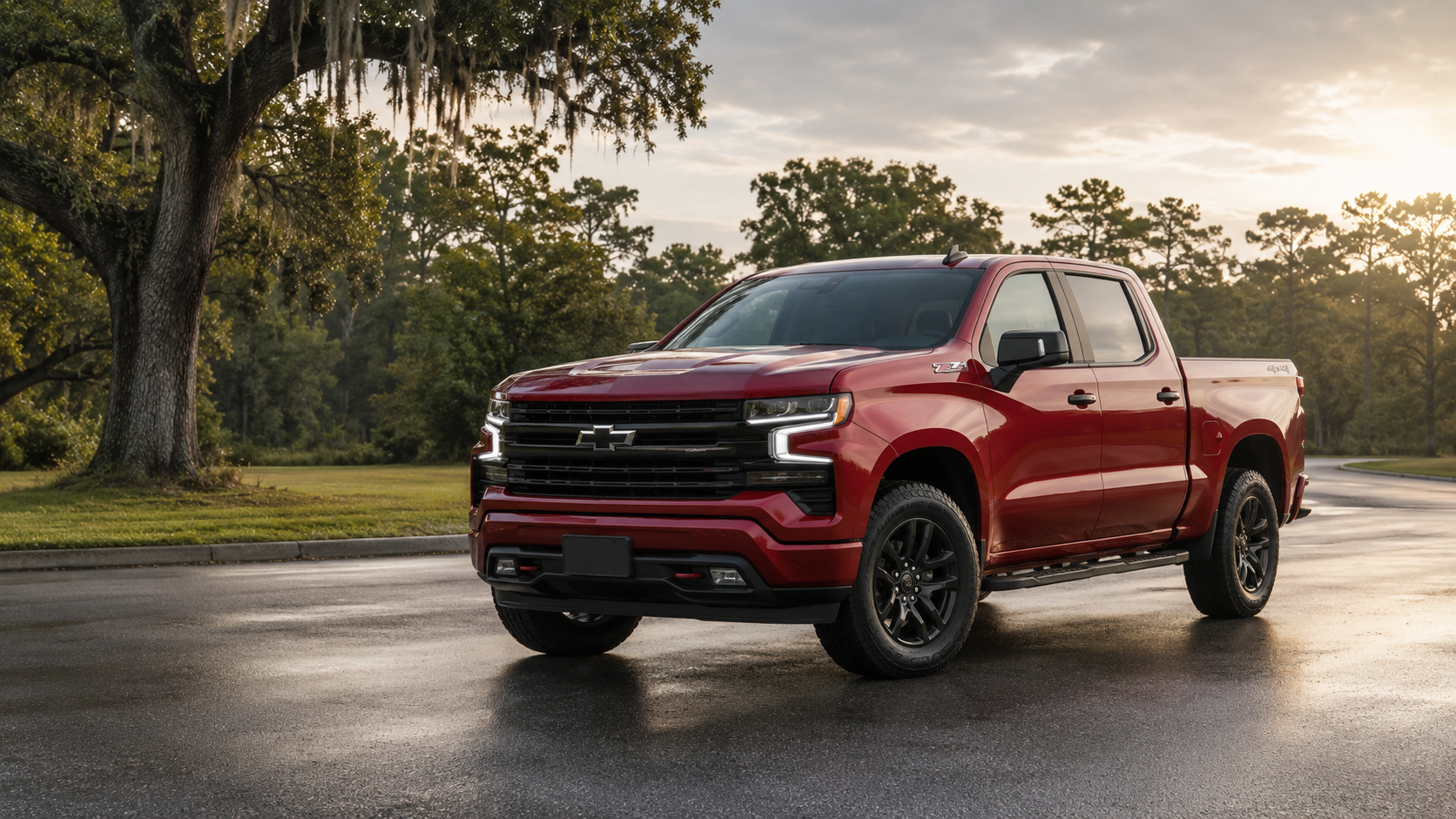
Red 2026 Chevrolet Silverado 1500 on a road in Southeast Louisiana

2026 Chevrolet Silverado 1500 Buyer’s Guide for Southeast Louisiana

The 2026 Chevrolet Silverado 1500 is a full-size light-duty pickup offering four engines, nine trim levels, available four-wheel drive and up to 13,300 pounds of trailering capability when properly configured. For Southeast Louisiana buyers, the right Silverado depends on how the truck will be used: commuting, job-site work, towing a boat or camper, navigating rural property or serving as an everyday family vehicle. Ross Downing Chevrolet created this guide to help truck shoppers throughout Hammond, Ponchatoula, Covington, Mandeville, Denham Springs, Baton Rouge and the surrounding communities compare the 2026 Silverado 1500 lineup. 2026 Silverado 1500: Quick Facts Specification 2026 Chevrolet Silverado 1500 Available engines Four Maximum available trailering 13,300 pounds Maximum available payload 2,260 pounds Maximum available torque 495 lb.-ft. Best available highway fuel economy EPA-estimated 28 mpg Available camera views Up to 14 Available center touchscreen 13.4 inches Available Driver Information Center 12.3 inches Available drivetrain Two-wheel drive or four-wheel drive Trailering, payload and fuel-economy figures vary by engine, cab, bed, drivetrain, axle ratio and installed equipment. Always verify the ratings of the specific truck before purchasing. Which 2026 Silverado 1500 Engine Is Best? The 2026 Silverado 1500 offers four engine choices. Each one fits a different type of Louisiana truck buyer. TurboMax 2.7L Turbocharged Engine The TurboMax engine produces 310 horsepower and 430 lb.-ft. of torque and is paired with an eight-speed automatic transmission. This engine is a strong fit for buyers who want responsive low-end torque without automatically moving into a V8. It is standard on several popular trims, including WT, Custom, LT and RST. Best suited for: Daily driving, general truck use, contractors, utility trailers and buyers focused on value. 5.3L EcoTec3 V8 The available 5.3L EcoTec3 V8 produces 355 horsepower and 383 lb.-ft. of torque through a 10-speed automatic transmission. It offers the familiar power delivery many longtime truck owners expect from a Chevrolet V8 while remaining versatile enough for commuting, hauling and recreational towing. Best suited for: Drivers wanting traditional V8 performance and balanced everyday capability. 6.2L EcoTec3 V8 The available 6.2L EcoTec3 V8 produces 420 horsepower and 460 lb.-ft. of torque. It is also paired with a 10-speed automatic transmission. This is the most powerful gasoline engine available in the Silverado 1500. It is offered on select configurations of the RST, LT Trail Boss, LTZ, High Country and ZR2. Best suited for: Buyers prioritizing strong acceleration, gasoline-powered towing and premium or off-road configurations. Duramax 3.0L Turbo-Diesel The available Duramax 3.0L Turbo-Diesel produces 305 horsepower and a lineup-leading 495 lb.-ft. of torque. Chevrolet lists an available maximum trailering capacity of 13,300 pounds and an EPA-estimated highway rating of up to 28 mpg. For Southeast Louisiana drivers who regularly tow boats, campers or equipment—or spend significant time traveling I-12, I-55 and other highways—the Duramax can provide an appealing combination of torque, range and towing capability. Best suited for: Regular towing, longer highway trips and buyers who value diesel torque and fuel range. How Much Can the 2026 Silverado 1500 Tow? A properly equipped 2026 Chevrolet Silverado 1500 can tow up to 13,300 pounds. Chevrolet identifies this maximum with a specific Double Cab, Standard Bed and Duramax Turbo-Diesel configuration. That does not mean every Silverado can tow 13,300 pounds. The exact rating depends on: Engine Cab and bed configuration Two-wheel drive or four-wheel drive Axle ratio Trailering equipment Passenger and cargo weight The individual truck’s Gross Combined Weight Rating Louisiana buyers towing bay boats, bass boats, campers, enclosed trailers or work equipment should compare the trailer’s fully loaded weight—not simply its advertised empty weight—to the rating of the specific Silverado. The truck’s payload rating also matters because passengers, equipment in the bed and trailer tongue weight all count against available payload. Which Silverado Trim Is Right for You? Silverado WT The Work Truck emphasizes essential capability, durable materials and practical equipment. It is a logical starting point for commercial users, fleets and buyers who want a straightforward truck. Silverado Custom The Custom adds more exterior style and everyday convenience while maintaining a value-focused position in the lineup. Standard equipment includes the TurboMax engine, 20-inch wheels and a Trailering Package. Custom Trail Boss The Custom Trail Boss adds a two-inch factory suspension lift, Z71 Off-Road equipment, skid plates, an automatic locking rear differential and an Autotrac two-speed transfer case. It may appeal to drivers who regularly travel muddy job sites, hunting property, camps or unimproved roads. Silverado LT The LT is one of the strongest all-around choices for an everyday truck. It introduces the available 13.4-inch touchscreen and 12.3-inch Driver Information Center while retaining a broad selection of engines and configurations. Silverado RST The RST combines Silverado capability with a sportier, street-oriented appearance. Body-color exterior elements and available black wheels give it a cleaner look without sacrificing access to all four engine options. LT Trail Boss The LT Trail Boss combines the LT’s interior technology with the factory lift and Z71 hardware of the Trail Boss platform. It is a good middle ground for drivers who want an off-road-ready truck without giving up the larger digital displays. Silverado LTZ The LTZ adds leather-appointed seating, expanded camera technology and additional driver-assistance features. It is well suited to buyers who tow or travel frequently and want a more premium cabin. Silverado High Country High Country is the luxury-focused Silverado 1500. Available features include Super Cruise driver assistance with trailering capability on compatible roads, premium leather and up to 14 available camera views. Silverado ZR2 The ZR2 is the lineup’s most specialized off-road model. It includes Multimatic DSSV dampers, front and rear electronic locking differentials, 33-inch mud-terrain tires and substantial underbody protection. Is the Silverado 1500 a Good Truck for Southeast Louisiana? The Silverado 1500 fits many of the ways trucks are actually used in Southeast Louisiana. Available four-wheel drive can provide additional traction on loose boat ramps, wet job sites, gravel roads and rural property. The available Multi-Flex Tailgate offers six configurations for loading, unloading and accessing the bed, while the Durabed includes 12 standard tie-downs. Buyers who spend most of their time commuting between Hammond, Covington, Baton Rouge and the New Orleans area may prefer the comfort and technology of an LT, RST or LTZ. Drivers towing frequently may benefit from the Duramax engine and available trailering technology. Customers traveling to camps, hunting property or rough job sites may prefer a Trail Boss or ZR2. Four-wheel drive can improve traction, but it does not eliminate the need to slow down on wet roads or increase a truck’s braking capability. Silverado Technology and Trailering Features Available technology includes: 13.4-inch center touchscreen 12.3-inch Driver Information Center Wireless Apple CarPlay and Android Auto compatibility Google built-in compatibility Up to 14 available camera views In-Vehicle Trailering App Trailer Side Blind Zone Alert Custom trailer profiles Pre-departure trailering checklists Available Super Cruise on High Country The available camera system can be particularly helpful when connecting a trailer, maneuvering around a crowded boat launch or parking a full-size truck in tighter spaces. Frequently Asked Questions What is the maximum towing capacity of the 2026 Chevrolet Silverado 1500? The 2026 Silverado 1500 can tow up to 13,300 pounds when properly equipped. Actual capacity depends on the truck’s engine, cab, bed, drivetrain and trailering equipment. Which 2026 Silverado engine has the most torque? The Duramax 3.0L Turbo-Diesel has the most available torque at 495 lb.-ft. Which Silverado engine has the most horsepower? The 6.2L EcoTec3 V8 produces the most horsepower at 420. Which 2026 Silverado gets the best highway fuel economy? Chevrolet lists an EPA-estimated rating of up to 28 mpg highway for properly configured Silverado models with the Duramax 3.0L Turbo-Diesel. Does the 2026 Silverado 1500 offer four-wheel drive? Yes. Four-wheel drive is available across much of the Silverado 1500 lineup and standard on certain off-road-oriented configurations. Which Silverado trims have a factory lift? The Custom Trail Boss and LT Trail Boss include a two-inch factory suspension lift. The ZR2 also features a two-inch lift along with more specialized off-road hardware. Which Silverado trim offers Super Cruise? Super Cruise is available on the 2026 Silverado High Country. When properly equipped, the system can provide hands-free driver assistance while trailering on compatible roads. Super Cruise is a driver-assistance technology and does not replace attentive driving. Where can I find a 2026 Chevrolet Silverado 1500 near Hammond, Louisiana? Ross Downing Chevrolet offers new Silverado 1500 trucks at 600 South Morrison Boulevard in Hammond, Louisiana. Shoppers can browse current Silverado 1500 inventory, compare available configurations and schedule a test drive. Find Your 2026 Silverado 1500 at Ross Downing Chevrolet A Silverado that works well for a daily commuter may not be the right truck for someone towing a heavy camper or hauling equipment every week. Engine, drivetrain, cab, bed and trailering equipment should be evaluated together. The team at Ross Downing Chevrolet can help you compare available 2026 Silverado 1500 trucks based on how you intend to use the vehicle—not simply the trim badge on the door. Explore the 2026 Chevrolet Silverado 1500, search current inventory or visit Ross Downing Chevrolet at 600 South Morrison Boulevard in Hammond. Vehicle specifications were verified in September 2026 using Chevrolet's official 2026 Silverado 1500 information. Features, specifications, ratings, fuel economy, trailering capacity, equipment and availability vary by configuration and are subject to change. EPA-estimated fuel economy; actual mileage will vary. Always confirm specifications, equipment and ratings for the individual vehicle before purchase. using Chevrolet’s official 2026 Silverado 1500 information. Features, ratings, availability and incentives may change.

Chevy Maintenance Schedule for Brake Service in Louisiana

Chevy Maintenance Schedule for Brake Service in Louisiana

Chevy maintenance schedule planning for brake service starts with inspection results, mileage, and changes you notice while stopping. In addition, brake wear does not follow one fixed replacement number for every Chevrolet. Pad thickness, rotor state, pedal feel, noise, and warning lights all provide useful service clues. Therefore, routine checks matter even when the vehicle still stops normally. A brake inspection gives you a clearer view of wear before a small concern turns into a larger repair. When Should Chevy Brakes Be Inspected? Brake inspection timing depends on wear, mileage, and the way the vehicle is used. Chevrolet does not publish one universal brake replacement interval for every model. Instead, inspection findings show whether pads, rotors, fluid, or related parts need attention. Therefore, scheduled maintenance visits are a good time to check brake components. Mileage still works as a planning reminder. However, it should not replace a physical inspection. Still, two Chevrolets with similar mileage can show very different pad thickness. Stop and go traffic, frequent towing, hills, and repeated hard stops can increase brake wear. For this reason, ask about pad thickness and rotor state during routine service. A technician can also check hoses, lines, calipers, and fluid. That gives you a clearer view than mileage alone. In addition, your owner information can provide model specific service guidance. What Squealing and Grinding Can Mean Brake noise can point to contact between worn friction parts and the rotor surface. Some Chevrolet brake pads use metal wear indicators that touch the rotor as pad material becomes thin. That contact can create chirping, squealing, or whistling. Therefore, repeated noise during normal stops deserves an inspection. Grinding needs faster attention. It can indicate severe pad wear or contact that should not continue. In addition, damaged hardware or rotor concerns can create harsh sounds. The exact cause requires inspection, but the sound should not be ignored. Before scheduling service, note when the noise occurs: Listen for noise during light stops, firm stops, or both. Notice whether the sound comes from one wheel area or several. Pay attention to grinding, squealing, chirping, or metal scraping sounds. Therefore, these details give the technician a clearer starting point. They also separate a brief surface noise from a repeated braking concern. What Brake Pedal Changes Can Tell You Pedal feel can reveal changes that are not visible from outside the vehicle. A pulsing pedal during ordinary stops may point toward rotor or hardware concerns. However, pedal pulsation during ABS operation can be normal. The timing of the sensation matters. A low or sinking pedal deserves attention as well. Hydraulic pressure moves through brake fluid, hoses, lines, and calipers. A change in pedal travel can point toward a fluid or hydraulic concern. Therefore, unusual softness or extra travel should be checked. Pulling during braking can also signal uneven braking force. In addition, longer stopping distance can point toward worn friction parts or another brake concern. If the vehicle no longer stops the way it usually does, schedule an inspection promptly. How the Brake Pad Life Monitor Works Some Chevrolet vehicles use a Brake Pad Life Monitor. The display estimates remaining pad life through sensor data and vehicle information. Therefore, the percentage gives owners another service planning tool. However, the monitor does not inspect every brake component. It does not physically check rotor wear, fluid leaks, hose damage, or caliper movement. For this reason, the display should work alongside regular brake inspections. If the percentage drops low, review the message with a Chevrolet service technician. In addition, pay attention to noise, pedal changes, and warning lights even when the display shows remaining pad life. A physical inspection can identify concerns outside the monitor's scope. What Happens During Chevy Brake Service? A brake inspection checks friction parts, hydraulic parts, and related hardware. The technician starts by examining components that create and control braking force. That includes pads, rotors, calipers, hoses, lines, and brake fluid. During the inspection, the technician may: Measure brake pad thickness and inspect the friction material. Examine rotors for wear, scoring, cracking, or surface damage. Check calipers, hoses, lines, and nearby parts for leaks or damage. Still, the inspection does not automatically mean every brake part needs replacement. Instead, the findings show which components still have usable life. They also identify parts that need service now. Therefore, you can review the inspection results before approving repairs. When Brake Symptoms Need Faster Attention Some brake concerns should move ahead of routine maintenance planning. A persistent brake warning light deserves prompt attention. Chevrolet notes that the light can point to a brake concern or low brake fluid. Therefore, do not wait for the next scheduled visit if the light stays on. Grinding, reduced stopping force, a very low pedal, or a sinking pedal also deserve faster service. In addition, sudden changes in braking should be treated differently from gradual wear. If stopping feels unsafe, move the vehicle to a safe place and arrange service. A clear description of the symptom gives the service team useful information. Note when it started, when it occurs, and whether the problem changes with speed. Ross Downing Chevrolet in Hammond can inspect the brake components and explain what the findings mean. That makes the next service decision easier to understand.

Chevy Equinox Features for a Family of Four in Louisiana

Chevy Equinox Features for a Family of Four in Louisiana

Chevy Equinox features can support a family of four when rear seat room, car seat access, and cargo space matter. In addition, family fit depends on how those areas work together during normal errands and longer trips. Two children may need car seats, backpacks, snacks, and room to grow. Therefore, rear seating must work with cargo space instead of competing with it. The Equinox gives families a five passenger cabin with useful second row room and flexible storage. Is the Chevy Equinox Big Enough for a Family of Four? Family fit means four people can sit comfortably while the cabin still carries the gear they need. The Equinox provides 39.9 inches of rear legroom and 39.2 inches of rear headroom. Therefore, children have room to sit behind adults without forcing the front seats unusually far forward. That space also gives older children more room as they grow. Rear legroom matters because child restraints use some of the same front to back space. A rear facing seat can extend toward the front seat. By contrast, boosters and forward facing seats use the bench differently. For this reason, families should test their own restraints before deciding whether the space works. In addition, the Equinox seats five people. A family of four can place two children across the second row while both front seats remain available. That layout leaves the center rear position open for small items or occasional use. Still, restraint width can change how much usable room remains between the two seats. Can Two Car Seats Fit in the Chevy Equinox? The Equinox second row provides two lower anchor positions for compatible child restraints. It also provides three top tether anchors for forward facing seats. Therefore, two child seats can use dedicated lower anchor locations without sharing one anchor point. Cars.com found room for two child restraints in its 2025 Equinox test. In addition, the lower anchors earned strong marks for access. That matters because easier access can reduce awkward reaching during installation. However, families should still follow the child restraint maker and vehicle instructions for each seat. Different restraint types change how the second row feels. Rear facing seats need more front to back clearance. Forward facing seats need a top tether connection. Boosters depend more on belt access and seat contour. Therefore, your current restraint type should guide the test fit. Before making a decision, check these points: Install both child restraints in the positions you expect to use every day. Confirm the front seats stay comfortable after the restraints are secured. Check buckle access, door opening space, and room around each child seat. Cargo Space With All Four Seats Occupied The Equinox provides about 29.8 cubic feet behind the second row. That means the cargo area remains usable while four people keep their seats. Therefore, families can load groceries, a stroller, backpacks, or sports equipment without folding the rear bench. Why does seats up cargo space matter? Families usually carry people and gear at the same time. Maximum cargo figures can look impressive, but they assume rear seating is no longer needed. In addition, daily errands rarely allow parents to fold the entire second row. The cargo floor also includes hidden storage beneath it. That area can hold smaller items away from larger bags. Items such as reusable bags, emergency supplies, cleaning supplies, or charging cables can stay separated. Furthermore, an available AutoSense power liftgate can make loading easier when both hands are full. Still, cargo shape matters as much as volume. A folded stroller may take more floor length than grocery bags. Likewise, sports equipment may stack differently than luggage. Therefore, families should bring the largest item they carry regularly when they test the cargo area. Folding the Rear Seat for Larger Loads A 60/40 split rear bench lets one section fold while the other remains upright. That gives families a way to carry longer items without giving up the entire second row. Therefore, one child can remain seated while part of the bench opens into the cargo area. With the rear seating folded, the Equinox provides up to 63.5 cubic feet of cargo room. That extra space can support larger household items or trip gear. However, the split design may matter more during routine family use than the maximum figure. A parent might fold the smaller section for a long box while keeping two seating positions available. Another family may fold the larger section while one child rides in back. In addition, the hidden floor compartment remains useful for smaller items that should stay separate. This arrangement gives the cabin more ways to handle changing loads. Instead of choosing between all passenger space or all cargo space, families can mix the two. Therefore, the split bench becomes useful when weekend errands look different from weekday routines. Know Where the Family Fit Has Limits The Equinox works well for two child restraints, but three across may not fit every restraint combination. Cars.com did not find room for three car seats across its test vehicle. Therefore, households expecting three child restraints should test carefully before choosing the Equinox. Why does this limit matter for a family of four? It may not matter today, but future seating plans can change. A growing household may later need another restraint, an adult passenger, or more rear seat width. For this reason, families should think beyond the current school year or current restraint stage. In addition, a five passenger rating does not mean every seating combination will feel equally roomy. Child restraints differ in width, shell shape, and belt path. Two narrow boosters may leave more center space than two wide convertible seats. Therefore, the most useful test is the one using your own family gear. A larger three row SUV may make more sense when you need extra seating positions or wider rear seat options. The Equinox remains a strong fit for many four person households because its cabin and cargo area work together well. Put the Space Together for Your Family The Chevy Equinox features that matter most for a family of four are easy to evaluate in person. Rear seat room, car seat placement, cargo space, and split folding all shape the final decision. Therefore, bring the items that define your normal week when you test the SUV. A useful family fit check includes: Bring both child restraints and install them in the second row. Load the stroller, sports bag, or largest item you carry regularly. Sit in every occupied seat and check entry, buckle access, and cargo reach. That test shows whether the Equinox fits your household without relying only on measurements. Ross Downing Chevrolet in Hammond offers in person reviews of seating, cargo room, and family fit. The right choice should support the people and gear you carry most.

Contact Us

Fill out this form below and we'll contact you shortly
*Required Fields